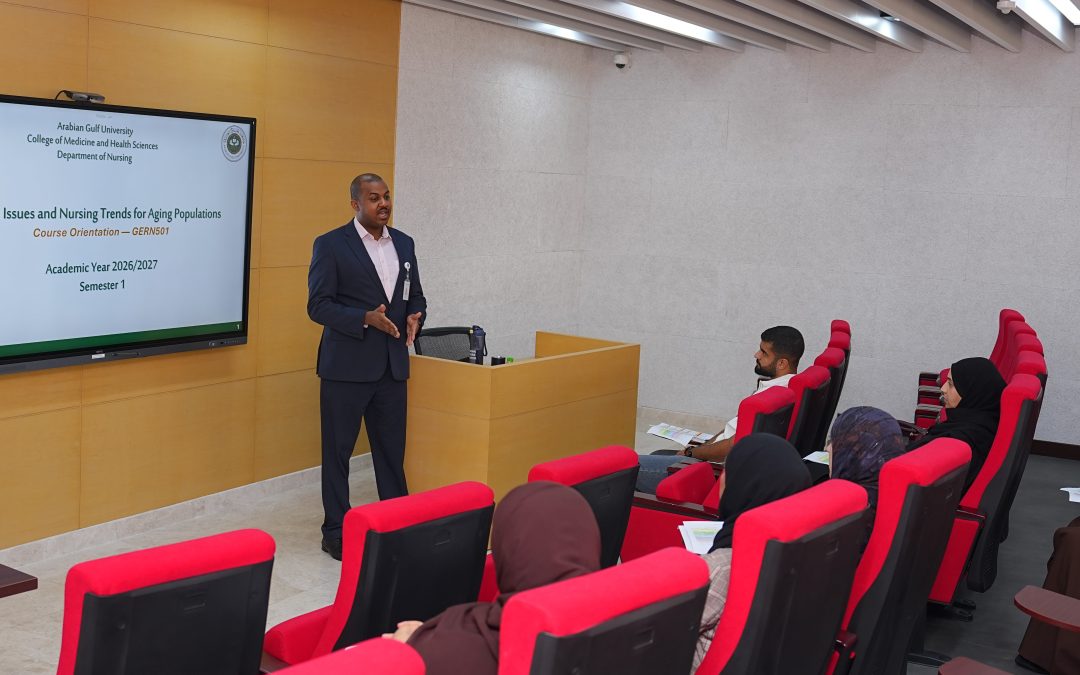
بدأت في جامعة الخليج العربي الدراسة في دبلوم الدراسات العليا في تمريض المسنين، الذي تطرحه الجامعة ضمن توجهاتها لتطوير برامج التعليم الصحي المتخصص، وإعداد كوادر تمريضية مؤهلة قادرة على الاستجابة للاحتياجات المتنامية للرعاية الصحية للمسنين في دول مجلس التعاون الخليجي.
ويأتي إطلاق البرنامج في ظل التحولات الديموغرافية التي تشهدها دول الخليج، وارتفاع متوسط العمر، وما يصاحب ذلك من زيادة في الحاجة إلى خدمات الرعاية الصحية المتخصصة وطويلة الأمد للمسنين، إلى جانب تنامي انتشار الأمراض المزمنة والحالات الصحية المعقدة المرتبطة بالتقدم في العمر.
ويهدف الدبلوم إلى إعداد ممرضين وممرضات يمتلكون معارف ومهارات وكفاءات متقدمة في مجال تمريض المسنين، بما يمكنهم من تقديم رعاية تمريضية متخصصة وفق أحدث الممارسات المبنية على الدليل، والتعامل بكفاءة مع الحالات الصحية المعقدة، إلى جانب تطوير مهارات القيادة والممارسة المهنية والمساهمة في الارتقاء بجودة الخدمات الصحية المقدمة للمسنين.
وأوضحت رئيسة قسم التمريض بكلية الطب والعلوم الصحية الدكتورة هوازن عمر الرواس أن إطلاق الدبلوم يمثل استجابة أكاديمية للتطورات المتسارعة في احتياجات الرعاية الصحية للمسنين في المنطقة، مشيرة إلى أن البرنامج يركز على بناء كفاءات تمريضية متخصصة تجمع بين المعرفة العلمية والتطبيق السريري، بما يعزز قدرة الممارسين على تقديم رعاية آمنة ومتكاملة تتمحور حول احتياجات المسنين.
وأكدت أن البرنامج يتماشى مع الأولويات الصحية والاستراتيجيات الوطنية في دول مجلس التعاون الخليجي في مجالات الرعاية الصحية للمسنين، وتحسين جودة الحياة، وتطوير القوى العاملة الصحية المتخصصة، لافتة إلى أن تأهيل كوادر تمريضية متخصصة في هذا المجال يسهم في دعم توجهات تطوير منظومة الرعاية الصحية والاستجابة للاحتياجات المستقبلية للمجتمعات الخليجية.
ويمثل بدء الدراسة في دبلوم الدراسات العليا في تمريض المسنين إضافة جديدة إلى منظومة برامج التعليم الصحي المتخصص في جامعة الخليج العربي، ويعكس التزام الجامعة بدورها الإقليمي في تطوير الكفاءات الصحية، والاستجابة للتحولات الصحية والمجتمعية في دول الخليج، بما يسهم في دعم جودة الرعاية المقدمة للمسنين وتعزيز جاهزية القطاع الصحي لاحتياجات المستقبل.
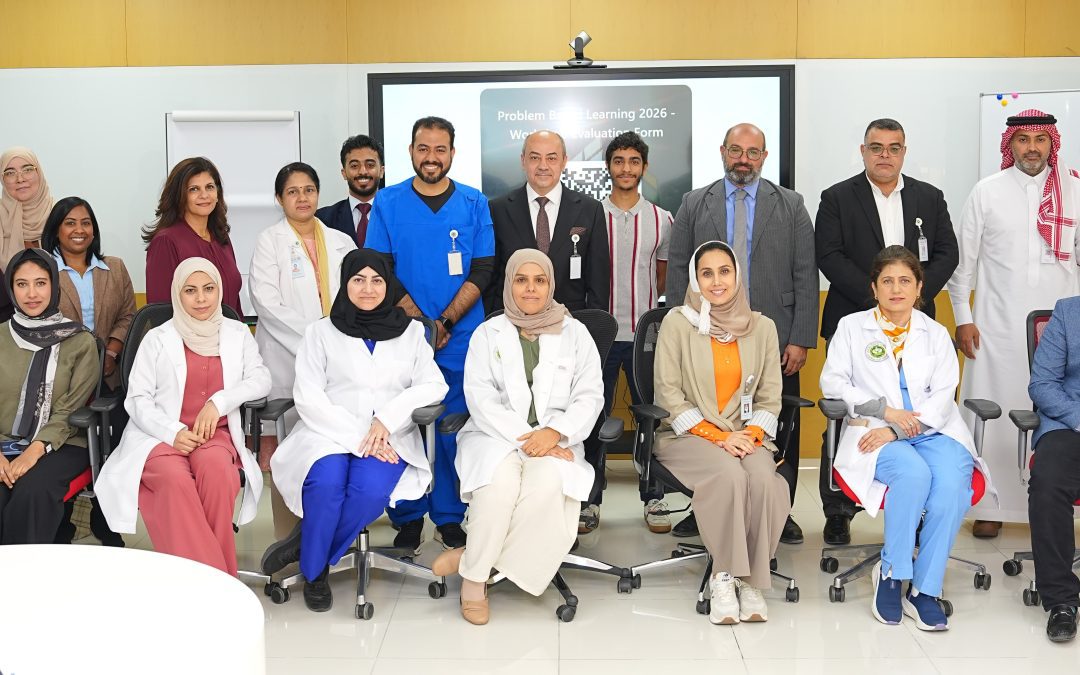
The Department of Medical Education at the College of Medicine and Health Sciences at Arabian Gulf University organized a workshop titled “Problem-Based Learning: Facilitation and Assessment,” as part of the college’s faculty development program, with the aim of enhancing the academic staff’s ability to employ active learning strategies and develop skills in facilitating student learning and assessing their performance in a medical education setting.
Dr. Mohamed Mustafa Al-Iraqi, Head of the Department of Medical Education, opened the workshop, emphasizing the importance of problem-based learning as one of the active learning strategies that enables students to address problems and scenarios that simulate real-world clinical and community settings, thereby contributing to the development of critical thinking, analytical, and problem-solving skills, as well as linking theoretical knowledge to medical practice.
The workshop aimed to enable participants to develop skills in facilitating the students’ learning process, as well as to enhance their ability to evaluate their performance and provide effective feedback within the framework of a problem-based learning strategy, thereby supporting the quality of the educational process and enhancing the learning experience for medical students.
Members of the Department of Medical Education participated in planning the workshop and leading its sessions. Professor Hani Salem Atwah provided an explanation of the concept of problem-based learning, its foundations, and the principles of its application, while Dr. Arshana Prabhu Kumar discussed the criteria and methods for assessing students within this strategy. Dr. Reem Jassim Al-Ansari also presented a practical model on methods for providing effective feedback to students and its role in supporting their learning and improving their performance.
The workshop also featured Professor Mohamed Hani Shehata, Head of the Department of Family and Community Medicine, who discussed effective communication techniques and methods for providing feedback to enhance the learning process, Dr. Abdullah Ismail Abdullah, Head of the Department of Surgery and Associate Dean for Clinical Affairs, also participated by leading an interactive session with students to simulate a problem-based learning environment and apply facilitation skills in a practical setting.
The workshop was spread over two days; the first day was dedicated to introducing the problem-based learning strategy and discussing skills for facilitating the learning process, while the second day focused on student assessment methods and providing effective feedback, thereby contributing to enhancing learning and evaluating academic performance.
The workshop was attended by approximately 20 faculty members from various specialties, featuring lively interaction and discussions about the challenges that may arise when implementing problem-based learning in medical education, as well as ways to address these challenges and develop teaching practices that align with students’ needs and the requirements of modern medical education.
Participants praised the workshop’s scientific and practical content, emphasizing the importance of the diversity of its sessions and the combination of theoretical and practical aspects, as well as the direct interaction with students and trainees, which provided an opportunity to exchange experiences and teaching practices and to develop faculty members’ skills in applying problem-based learning strategies.
The College of Medicine and Health Sciences at Arabian Gulf University has reformed the organizing committee of the Medical Club for the 2026–2027 academic year, with the aim of promoting student participation, expanding opportunities for hands-on learning, and solidifying the club’s role as a platform that bridges academic medical knowledge and practical experience, under the supervision of Dr. Abdullah Al-Saleh.
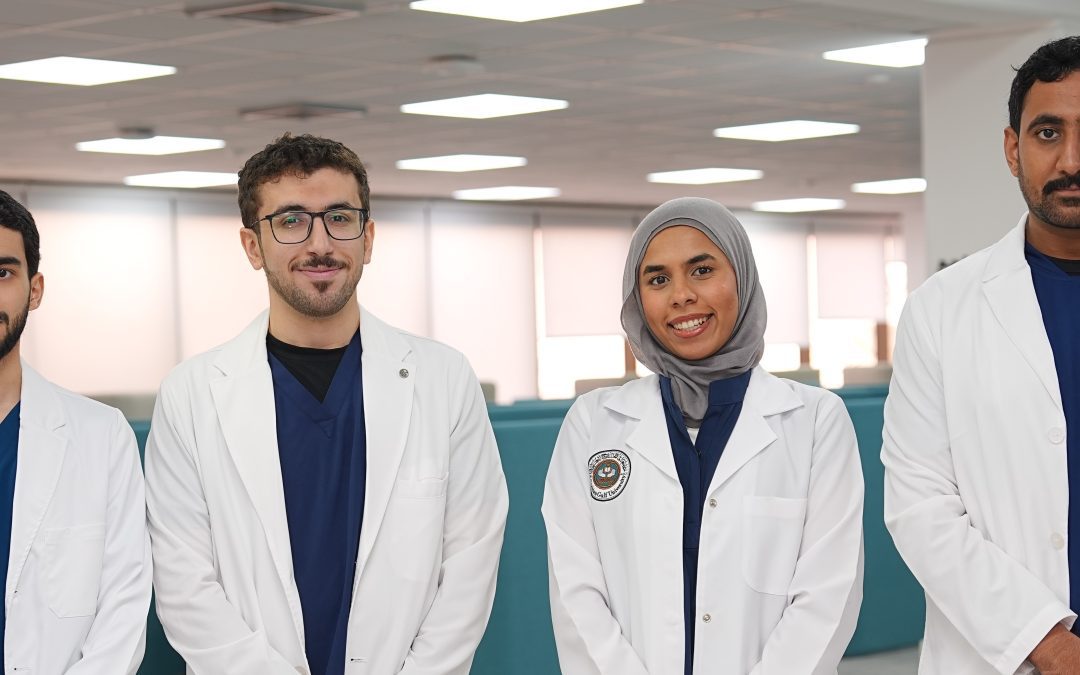
The new executive board includes student Nouria Al-Owaidh as president, student Mohamed Al-Balushi as vice president, student Mohamed Al-Wusaibai as Activities Coordinator, and student Nayef Al-Mufleh as Secretary. The committee is responsible for organizing the club’s programs and events and promoting student participation in scientific and practical activities, thereby enriching their academic experience, and linking medical knowledge to practical application.
The new formation stems from the club’s vision to provide students of the College of Medicine and Health Sciences, across all academic years, with the opportunity to participate in workshops, clinical simulations, and activities that complement the curriculum, thereby going beyond the traditional framework of learning and contributing to the development of their scientific and practical skills.
In this new phase, the club’s motto is “Medicine Beyond Textbooks to Practical Reality,” emphasizing the importance of integrating theoretical knowledge with practical application and providing students with opportunities to explore their interests in various medical specialties and develop their skills through practice, interaction, and teamwork.
Dr. Abdullah Al-Saleh, Head of the Department of Microbiology and Immunology and Assistant Professor at the College of Medicine and Health Sciences, emphasized that the Medical Club is committed to offering scientific and academic activities that enrich students’ experiences and enhance their knowledge and skills, noting that the new committee encourages student attendance and active participation in campus life.
He explained that the club provides a supportive environment for innovation, interaction, and volunteer work, and contributes to honing leadership skills, fostering team spirit, and strengthening communication among students in different academic years, thereby facilitating the exchange of knowledge and expertise and allowing students to benefit from the diverse experiences within the college.
Al-Saleh noted that the club serves as an educational space complementary to academic learning, helping students apply their theoretical knowledge in practical and interactive contexts and broaden their understanding of various medical fields, thereby better preparing them for their future careers.
Through its programs, the club focuses on enhancing practical knowledge and fostering collaboration among students in different years, organizing educational activities and experiences that bring them closer to the reality of medical practice, and enabling them to explore various specialties and develop communication, teamwork, and problem-solving skills—all of which enhance their readiness for the demands of the profession.
The restructuring of the Medical Club’s organizing committee is part of the College of Medicine and Health Sciences at Arabian Gulf University’s commitment to strengthening students’ role as partners in shaping their educational experience, and to provide an environment that combines academic achievement with initiative, interaction, and practical application. This aligns with the university’s mission to prepare medical professionals who possess the knowledge, skills, and ability to engage in continuous learning and keep pace with developments in medical practice.
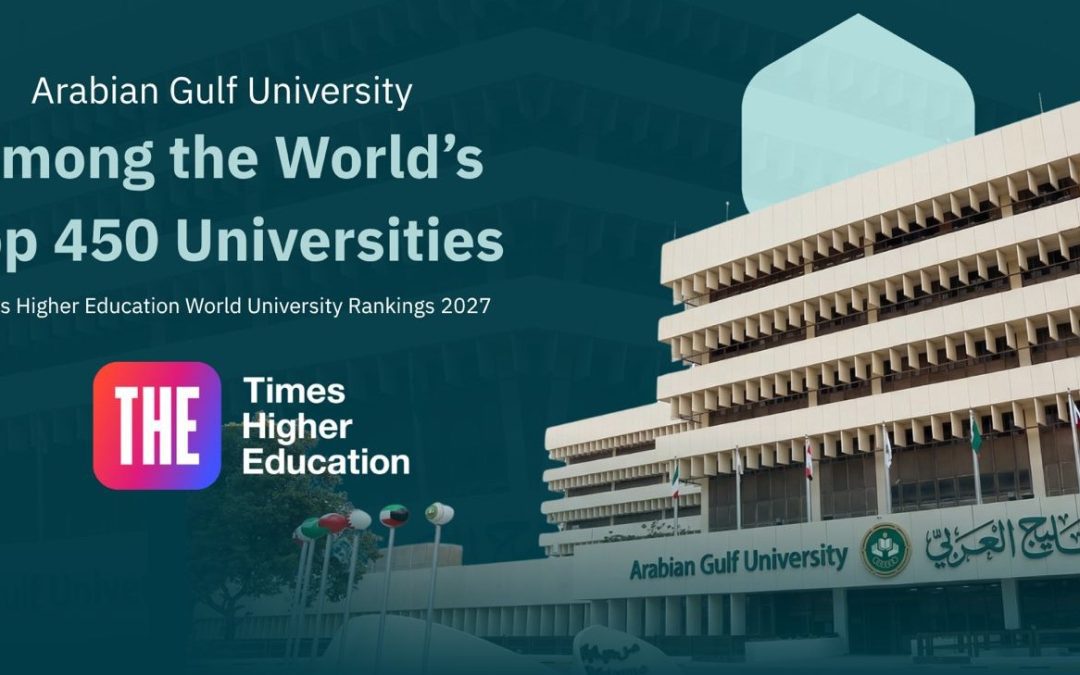
Arabian Gulf University has achieved a new milestone by maintaining its presence in the Times Higher Education World University Rankings for 2027 for the third consecutive year. The ranking data shows that Arabian Gulf University was placed in the (401–450) bracket globally, moving up by 19 places compared to its previous ranking, placing it among the top 450 universities worldwide.
The Arabian Gulf University scored 75.7 in research quality among the main ranking indicators, while it scored 94 in international outlook. It also strengthened its position in the indicators for teaching, research environment, and industry engagement. Arabian Gulf University’s position in the global ranking improved compared to 2025, when it was in the (501–600) bracket, moving to the (401–500) bracket in 2026, and in 2027, advancing to the (401–450) bracket, confirming the progress of its academic and research performance and its continued presence among the world’s leading institutions.
The university was evaluated according to a set of international criteria, including research citations, international collaboration, publication of research in peer-reviewed scientific journals, and other indicators that measure various aspects of universities’ academic and research performance.
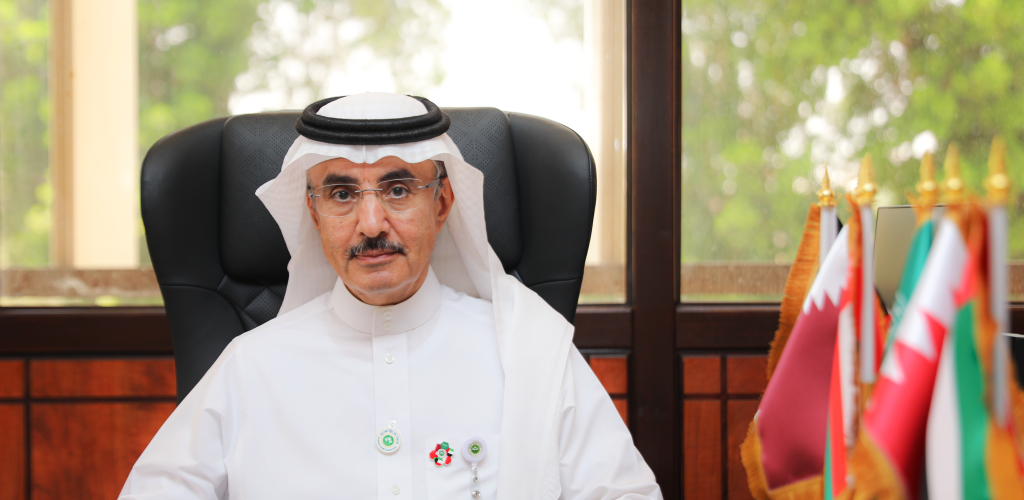
His Excellency Dr. Saad bin Saud Al-Fahaid, President of Arabian Gulf University, said that this achievement was made possible thanks to the tremendous support the university receives from Their Majesties and Their Highnesses, the leaders of the GCC countries, which enables it to achieve the highest levels of quality and excellence in its academic programs and various research and scientific activities.
His Excellency added that the university has proven itself worthy of trust and capable of fulfilling the responsibilities expected of it, in terms of quality and excellence, as one of the oldest Gulf integration projects in the field of education. He congratulated the members of the academic and administrative bodies, as well as the university’s students, on this significant achievement, emphasizing that everyone is reaping the rewards of the tireless efforts made for the benefit of this leading educational institution, and that maintaining this level in global rankings demonstrates the extent of the university’s commitment to quality requirements and global ranking standards, especially since this ranking serves as an indicator that the university is moving forward toward realizing its vision as an academic beacon for human development and shaping the future.
It is worth noting that the Times Higher Education World University Rankings place significant emphasis on metrics related to research, teaching, and academic reputation, as well as the role and impact of universities in research and teaching, using data from external sources, including the “Scopus” database, and other criteria designed to measure the quality of various research and academic programs and activities conducted at universities.
This continued progress strengthens the Arabian Gulf University’s position on the regional and international higher education landscape and affirms its ongoing commitment to developing its academic and research systems in accordance with global best practices and standards, thereby supporting its Gulf-focused mission and contributing to the preparation of professionals capable of keeping pace with future transformations and serving the societies of the Gulf Cooperation Council (GCC) countries.
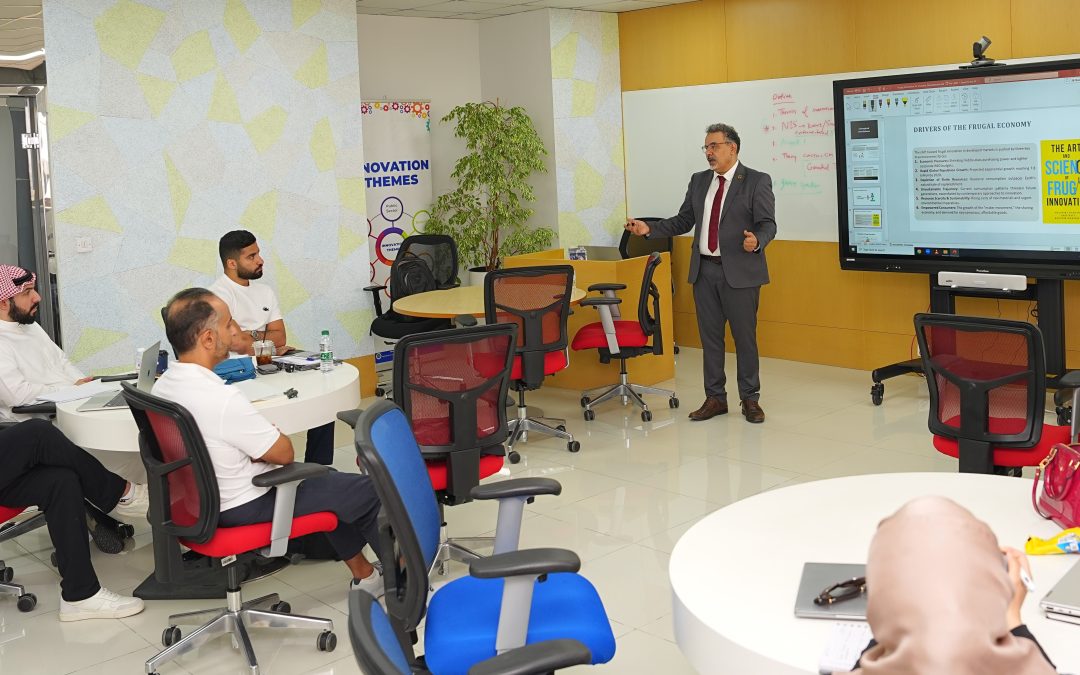
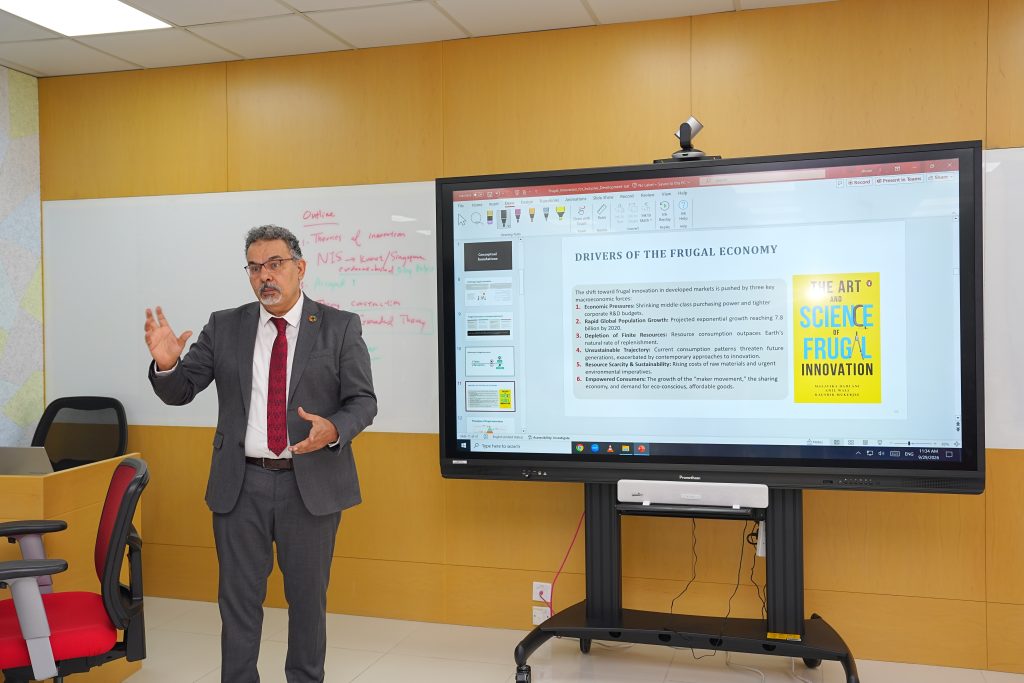
The Innovation and Technology Management Program at the College of Education, Administrative and Technical Sciences at Arabian Gulf University, hosted Dr. Atef Al-Shabrawy, Professor of Innovation and Entrepreneurship at the Egyptian-Japanese University of Science and Technology (E-JUST), to deliver a specialized lecture on “Social Innovation and Entrepreneurship”. He reviewed global models of using innovation to serve sustainable development goals, highlighting practical solutions for establishing social innovation labs and innovative policy labs, as well as the importance of adopting user-centered and open innovation methodologies to develop solutions that address the needs of local communities.
The lecture also addressed the concept of frugal innovation and its role in addressing resource constraints and economic and environmental challenges by developing simple, cost-effective, and efficient solutions that create added value and maximize the use of locally available resources and capabilities.
Dr. Al-Shabrawy reviewed a number of global business models in the field of innovation for sustainable development, explaining how to transform societal challenges into opportunities for innovation, with a focus on building participatory systems that enable beneficiaries and community members to contribute to identifying problems, design, test, and develop solutions tailored to their actual needs. He also discussed—in the presence of doctoral students in innovation management — practical applications of smart innovation in the health and creative industries sectors in several Asian and African countries, illustrating how low-cost solutions, designed according to user needs, have helped address local challenges and deliver innovative services and products in resource-constrained environments.
Dr Al-Shabrawy emphasized the importance of social innovation labs and innovative policy labs as platforms for testing new ideas, policies, and solutions, noting that the success of innovation is not linked to the size of resources, but rather to the ability of institutions to optimize their use and maximize the value derived from them.
He explained that smart innovation is based on simplicity, efficiency, resource conservation, and sustainability, making it well-suited to addressing economic challenges and limited capabilities.
He noted that this approach can help address poverty and unemployment by developing locally based solutions that meet local needs and creating innovative business models that draw on local potential, while maximizing the use of human resources. He emphasized the importance of user-centered innovation and open innovation in achieving sustainable development, as they enable the utilization of knowledge and enhance the participation of beneficiaries and partners in developing appropriate and applicable solutions.
The lecture concluded by emphasizing the importance of shifting from viewing innovation as an activity linked to technology and the availability of substantial resources to viewing it as a practical methodology for finding flexible and sustainable solutions that stem from the needs of society and efficiently utilize available resources to achieve tangible economic, social, and environmental impact.
This lecture is part of the activities of the Ph.D. program in Innovation Management at Arab Gulf University, which was established in 2016. It has provided various sectors across the Gulf Cooperation Council (GCC) countries with professionals specialized in innovation management and has contributed to the graduation of more than 60 students from diverse disciplines and sectors, reflecting its role in building research and leadership capacities capable of keeping pace with the rapid transformations in work environments and development.
The university’s introduction of the Innovation Management major and the development of its academic programs reflect a proactive vision to address emerging issues and the needs of Gulf and Arab societies by preparing professionals capable of anticipating challenges and transforming them into opportunities, and developing innovative solutions grounded in scientific research that serve sustainable development, thereby strengthening the university’s contribution to building ecosystems of innovation and entrepreneurship and addressing evolving development issues in the region.