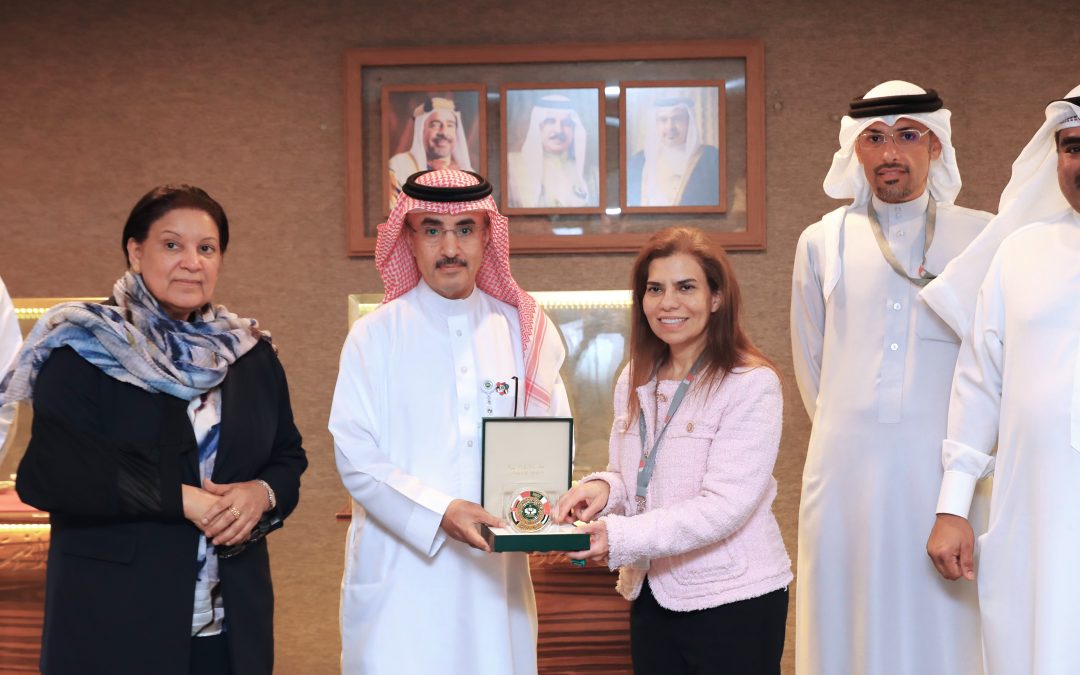
Mrs. Noora Jamsheer, CEO of the Bahrain Institute of Pearls and Gemstones (DANAT), received a delegation from Arabian Gulf University (AGU), headed by His Excellency Dr. Saad bin Saud Al-Fuhaid, President of the University, during a visit to the Institute’s laboratory.
The delegation was briefed on the progress of natural pearl testing processes within DANAT laboratories, the associated mechanisms of data analysis, and the advanced scientific techniques used by the Institute in studying the properties of pearls and documenting the data.
The visit comes within the ongoing cooperation between DANAT and AGU, particularly under the “Blue Carbon” project, which focuses on studying the carbon sequestration capacity of pearl oyster habitats and seagrass meadows, as part of broader efforts to understand the role of marine ecosystems in addressing climate change.
Marine surveys and sample collection have been completed as part of the study, while data analysis is currently underway in preparation for the final research report.
This study also represents a continuation of the stages of analysis and research on natural pearls within DANAT’s laboratories, further reinforcing its position as a sustainable “green gem” derived from a renewable natural resource, and deeply rooted in Bahraini culture and heritage, based on achieving a balance between maximizing the benefit of natural resources for local communities while minimizing environmental impact.
The President of the Arabian Gulf University, His Excellency Dr. Saad bin Saud Al-Fuhaid, praised the progress achieved in the research project exploring the impact of climate change on pearl oyster populations and seagrass habitats in the Kingdom of Bahrain, and affirmed that the project demonstrates the value of aligning academic research towards environmental priorities of direct relevance to the region.
“Scientific research is a central pillar of the Arabian Gulf University’s strategic direction. Through its specialized research chairs, the University continues to support studies that respond to the priorities of Gulf communities and contribute practical, knowledge-based solutions to emerging challenges. Shaikh Hamad bin Khalifa Al Thani Chair in Geographic Information Systems is a strong example of this approach, given its contribution to research fields closely linked to sustainability and long-term development.”
Dr Al-Fuhaid also commended the advanced technical capabilities available at DANAT’s laboratories, noting their importance in supporting specialized environmental research. He reaffirmed the University’s keenness to expand research partnerships and strengthen the infrastructure needed to produce credible, high-quality and applicable scientific outcomes that advance knowledge-based development and support a more sustainable future.
Mrs. Noora Jamsheer, CEO of DANAT, commented: “We are proud of our collaboration with AGU, which reflects the importance of research partnerships in advancing scientific understanding of the marine environments associated with natural pearls. Through the Blue Carbon project, this collaboration aligns with DANAT’s efforts to support scientific research that highlights the environmental, cultural and economic value of Bahraini pearls.”
Mrs. Jamsheer added: “Natural pearls are not only an integral part of Bahrain’s identity and heritage but also represent a sustainable natural resource that can be studied through a modern scientific lens. The progress achieved in the analysis and research stages at DANAT’s laboratories reflects the institute’s advanced technical capabilities in supporting current environmental studies. Through these research findings, we aim to contribute practical solutions to global climate challenges and support the Kingdom’s sustainable development goals.”
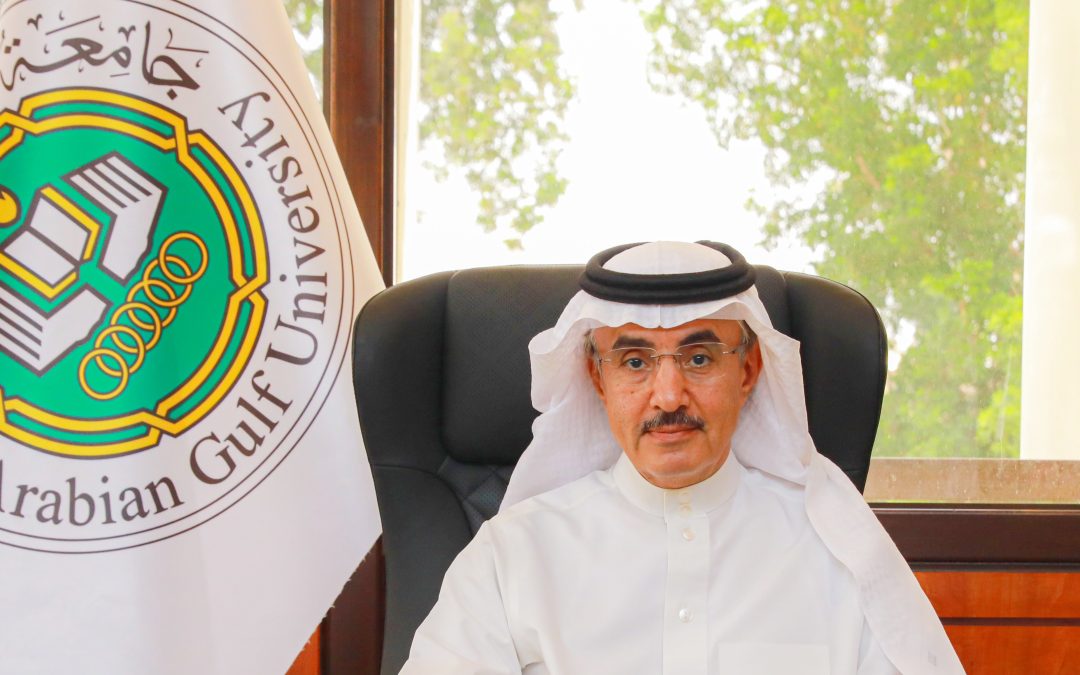
His Excellency Dr. Saad bin Saud Al-Fahaid, President of the Arabian Gulf University, affirmed that the remarks of His Majesty King Hamad bin Isa Al Khalifa, embody a clear national vision and a steadfast approach to consolidating security and stability, safeguarding the sovereignty of the Kingdom of Bahrain, and enhancing its development march.
He explained that the content of the royal address demonstrated the leadership’s commitment to reinforcing the values of national unity and social solidarity, as they are the cornerstone for addressing challenges and safeguarding achievements. He noted that His Majesty’s remarks provide a unifying framework that fosters trust and underscores the importance of shared responsibility in protecting the nation and enhancing its stability.
He noted that this vision complements the deep-rooted fraternal ties that bind the Gulf Cooperation Council (GCC) member states—ties based on cooperation, integration, and a shared destiny—which strengthen the region’s security and stability and drive its development, expressing his sincere thanks and appreciation to Their Majesties and Highnesses, the leaders of the Gulf Cooperation Council (GCC) member states, for their sincere efforts in consolidating the pillars of security and stability and advancing the course of joint Gulf action in a manner that meets the aspirations of the region’s peoples.
The university president also expressed his deep pride and appreciation for the support that the Arabian Gulf University receives from His Majesty King Hamad bin Isa Al Khalifa, and His Royal Highness Prince Salman bin Hamad Al Khalifa, the Crown Prince and Prime Minister, affirming the university’s commitment to continuing efforts to develop its academic and research outputs in a manner that meets aspirations and contributes to serving the Gulf community.
He concluded his statement by emphasizing that the Kingdom of Bahrain is moving steadily toward strengthening its security and stability under the leadership of His Majesty the King, and with the support and guidance of His Royal Highness the Crown Prince and Prime Minister, praying to Allah the Almighty to protect Bahrain and grant it, along with the rest of the GCC countries, continued security, and prosperity.
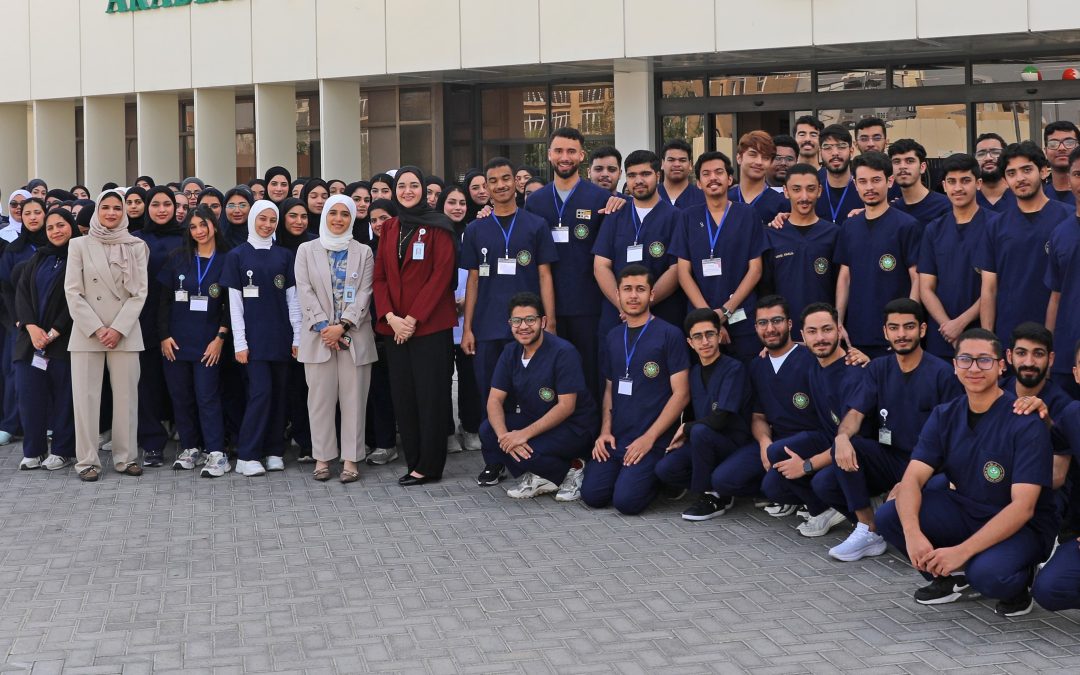
Second-year nursing students at the College of Medicine and Health Sciences at Arabian Gulf University have successfully completed their field training at hospitals in the Kingdom of Bahrain, following a full month of practical training in a real clinical setting characterized by dedication, discipline, and continuous learning.
During the training period, the students demonstrated a high level of professional competence and commitment, successfully applying their theoretical knowledge to provide safe and effective nursing care to patients and handling various health conditions with a humanitarian and professional spirit that reflects the quality of their academic preparation and practical training.
In addition, the students actively supported the nursing staff in various departments, which helped streamline daily operations, particularly given the challenges the country has faced recently. This reflects their spirit of cooperation, their commitment to the profession, and their role as a vital component of the healthcare system.
Dr. Hawazin Omar Al-Rawas, Head of the Nursing Department at the College of Medicine and Health Sciences at Arabian Gulf University, said: “The commitment and competence demonstrated by the second-year students during their field training reflect their outstanding academic preparation and confirm their ability to transition confidently into the healthcare workplace and assume professional responsibilities with a high degree of competence.”
This commitment reflects the students’ dedication to developing their skills and their readiness to assume their future responsibilities as nursing professionals, while also underscoring the role of educational and healthcare institutions in providing comprehensive training environments that contribute to the development of qualified nursing professionals capable of serving the community with competence and dedication.
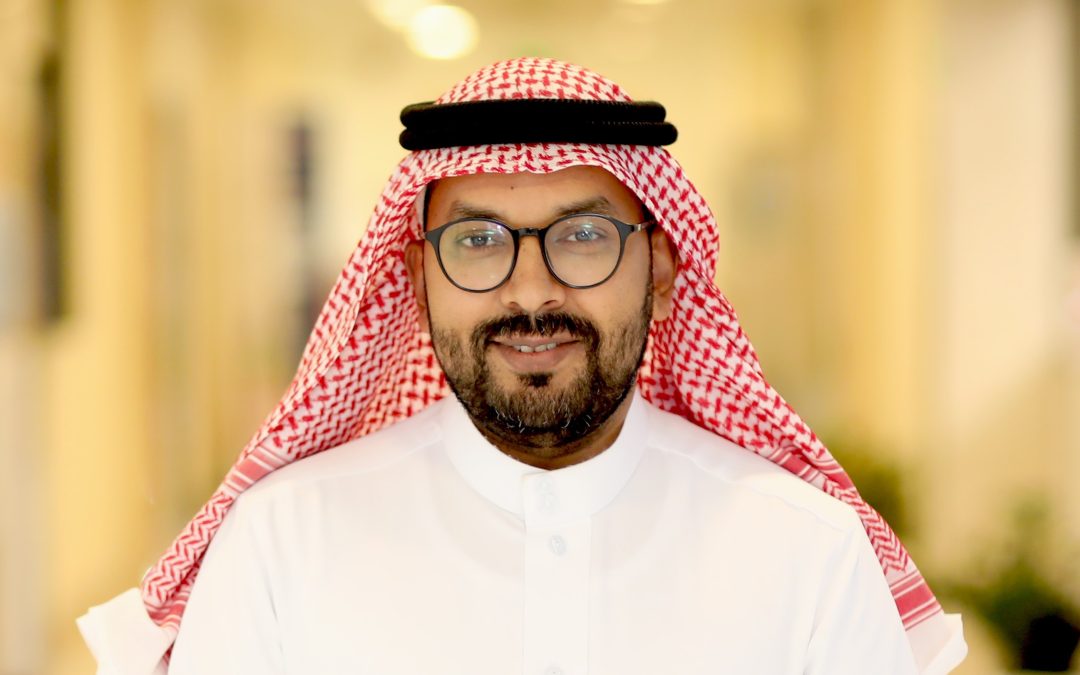
Professor Dr. Mohammed Madadin, Dean of the College of Medicine and Health Sciences at Arabian Gulf University, has been nominated for the final shortlist of the global Bridge Alumni Awards, presented by the University of Dundee in the United Kingdom, in recognition of his contributions to the development of medical education and the promotion of academic leadership.
This nomination is the culmination of a distinguished academic and professional career, during which Dr. Madadin contributed to the development of medical programs and the enhancement of educational quality, in addition to his role in supporting scientific research and fostering an academic environment that encourages innovation, thereby highlighting the presence of Gulf and Arab competencies in international academic forums.
In a statement on this occasion, Dr. Madadin expressed his pride in this nomination, emphasizing that it represents international recognition of the advancement of medical education in the region and reflects the results of institutional work and academic collaboration with his colleagues and students. He extended his gratitude to the University of Dundee, praising its role in preparing academic leaders through its global network of alumni.
He added that this nomination underscores the Arabian Gulf University’s approach to supporting its academic staff and providing a stimulating academic environment that contributes to professional and research development, thereby enhancing the university’s presence and standing in the academic field globally.
The Bridge Alumni Awards are among the prestigious awards presented annually by the University of Dundee to its graduates who have made a positive impact on their communities and fields. Dr. Madadin's nomination reflects his leadership in the field of medical education, based on selection criteria that emphasize influence, innovation, and leadership.
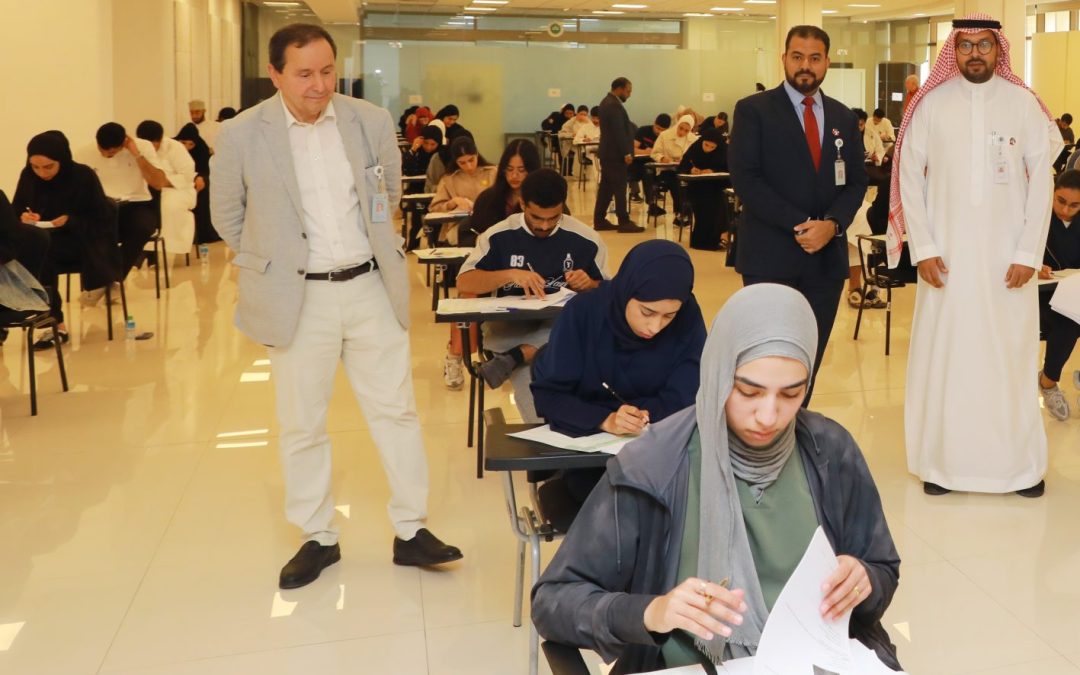
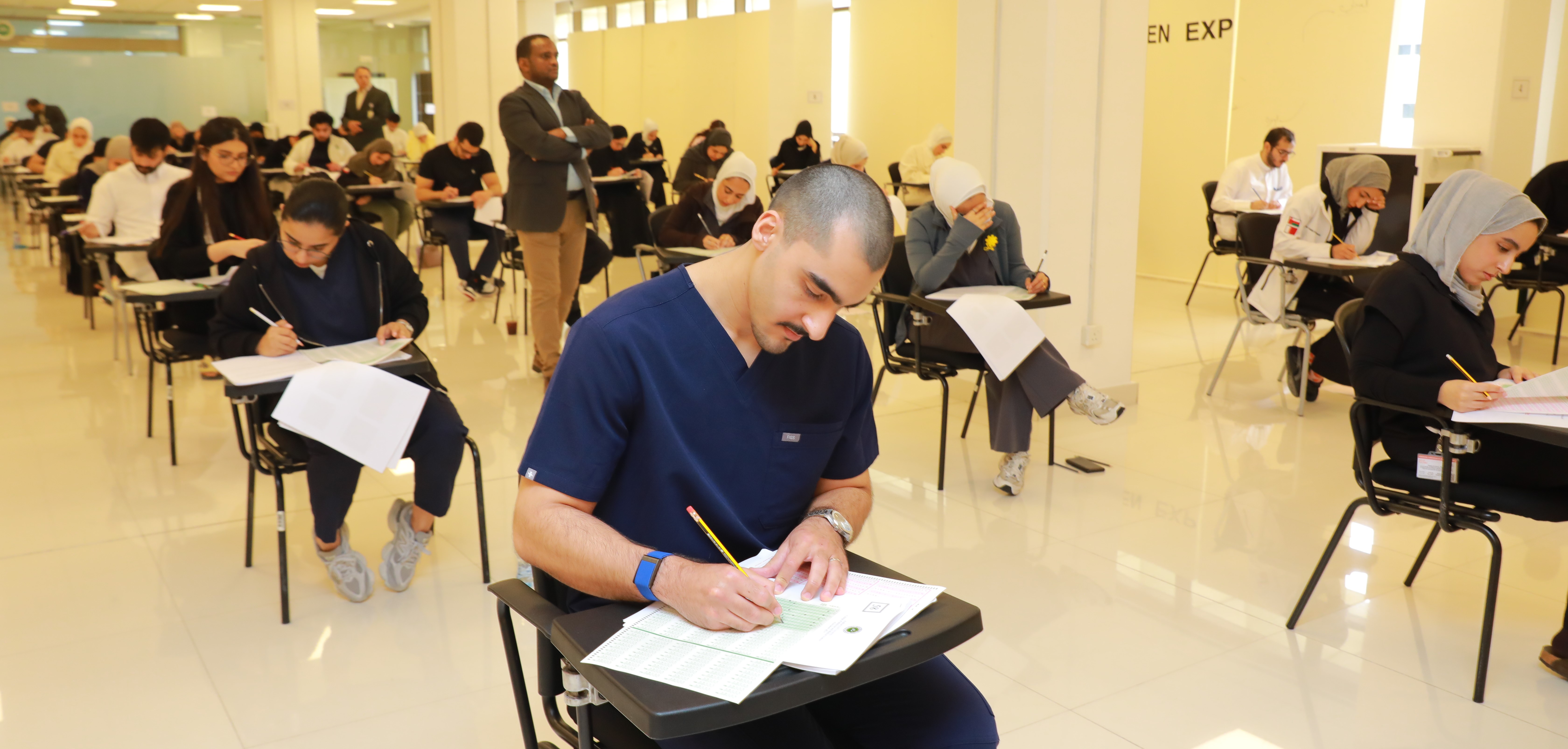
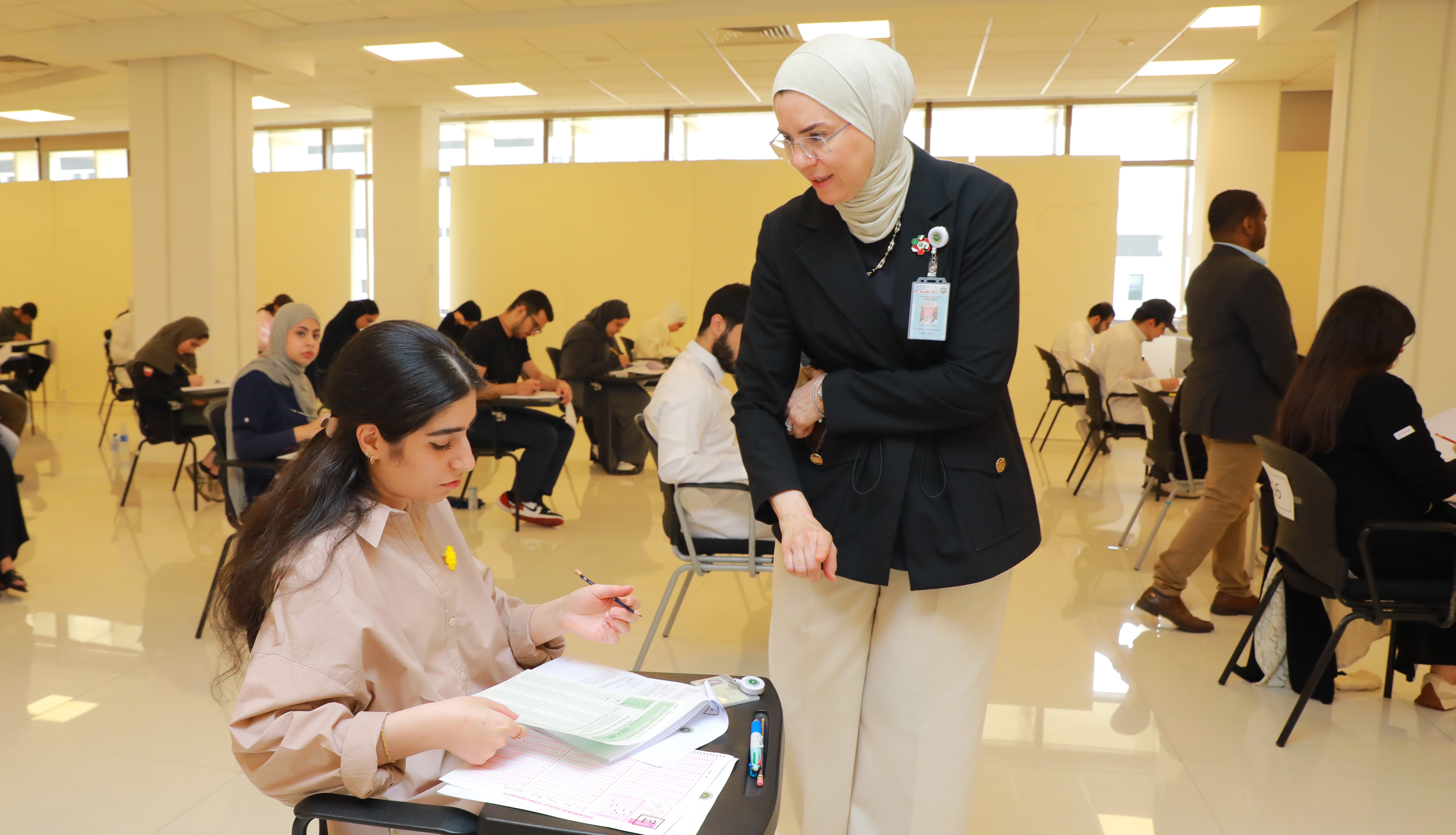
The College of Medicine and Health Sciences at Arabian Gulf University held in-person written exams for 83 students from the GCC countries—all of whom are in their sixth and final year at the college and are pursuing a Doctor of Medicine degree—with a 100% attendance rate. His Excellency the University President, Dr. Saad bin Saud Al-Fuhaid, accompanied by the Dean of the College of Medicine and Health Sciences, Prof. Dr. Mohammed Maddin, inspected the progress of the exams.
The Dean of the College of Medicine explained that the sixth-year exams were designed to suit the circumstances and needs of the students, emphasizing that organizational measures ensured the exams proceeded smoothly, thanks to the appropriate environment that allowed students to take the exams without significant obstacles. He expressed his pride and appreciation for the medical graduates of the Arabian Gulf University over the past decades.
Meanwhile, Dr. Mona Erekat, Vice Dean of Clinical Affairs at the College of Medicine, confirmed that the written exams for sixth-year students proceeded smoothly and with a high level of efficiency and organization, without any significant challenges, noting that the clinical exams will be held in the coming days. She attributed this success to the concerted efforts of the staff, their teamwork, and the continuous support from the university administration.
Erekat emphasized that the college is committed to motivating medical students to continue their perseverance and diligence so that they may successfully complete their medical studies and pursue their specialty and graduate studies in the near future, becoming a source of pride for their home university and the countries of the GCC, and return to their home countries with the highest levels of competence in various medical specialties, thereby contributing to raising the standard of medical services there. She emphasized the Arabian Gulf University’s commitment to graduating trained and competent professionals who meet the requirements for advancing the medical sector in the GCC countries and address its growing needs, in line with its strategic mission to supply the Gulf market with highly competent medical professionals who contribute to raising development rates.