by ashokaib | May 11, 2026 | Uncategorized
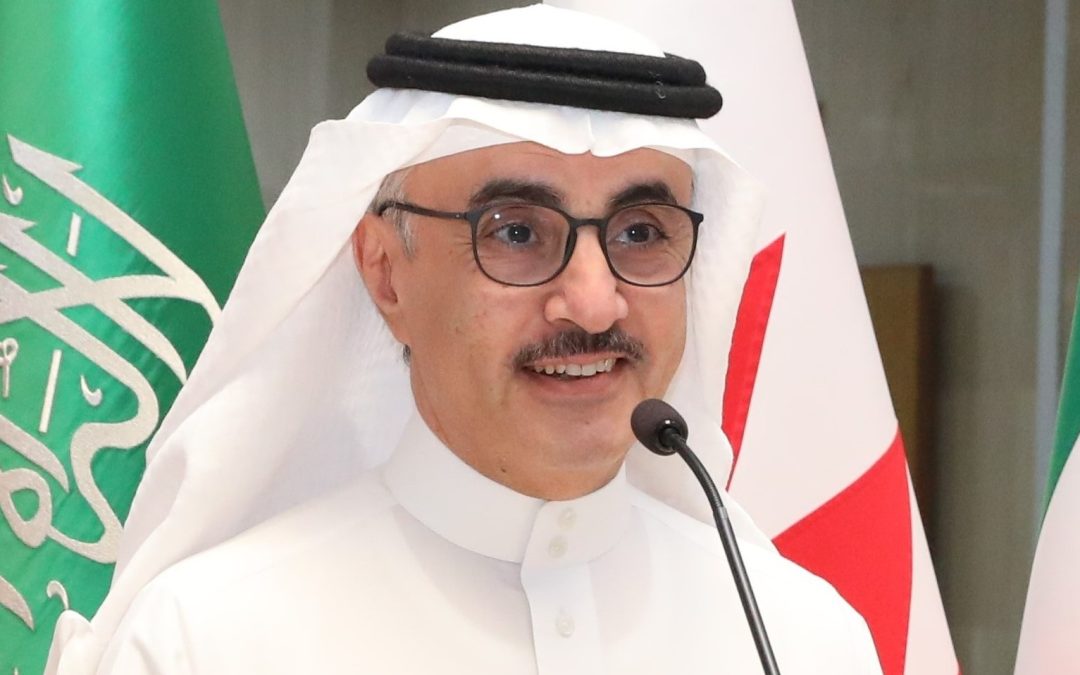
Next Wednesday, Arabian Gulf University will launch four institutional initiatives, including its Strategic Plan for the period (2026–2030), its new institutional identity, its digital transformation initiative, and its human resources development initiative. These initiatives are part of the university’s efforts to advance institutional transformation and enhance its readiness to meet the demands of higher education in the coming phase.
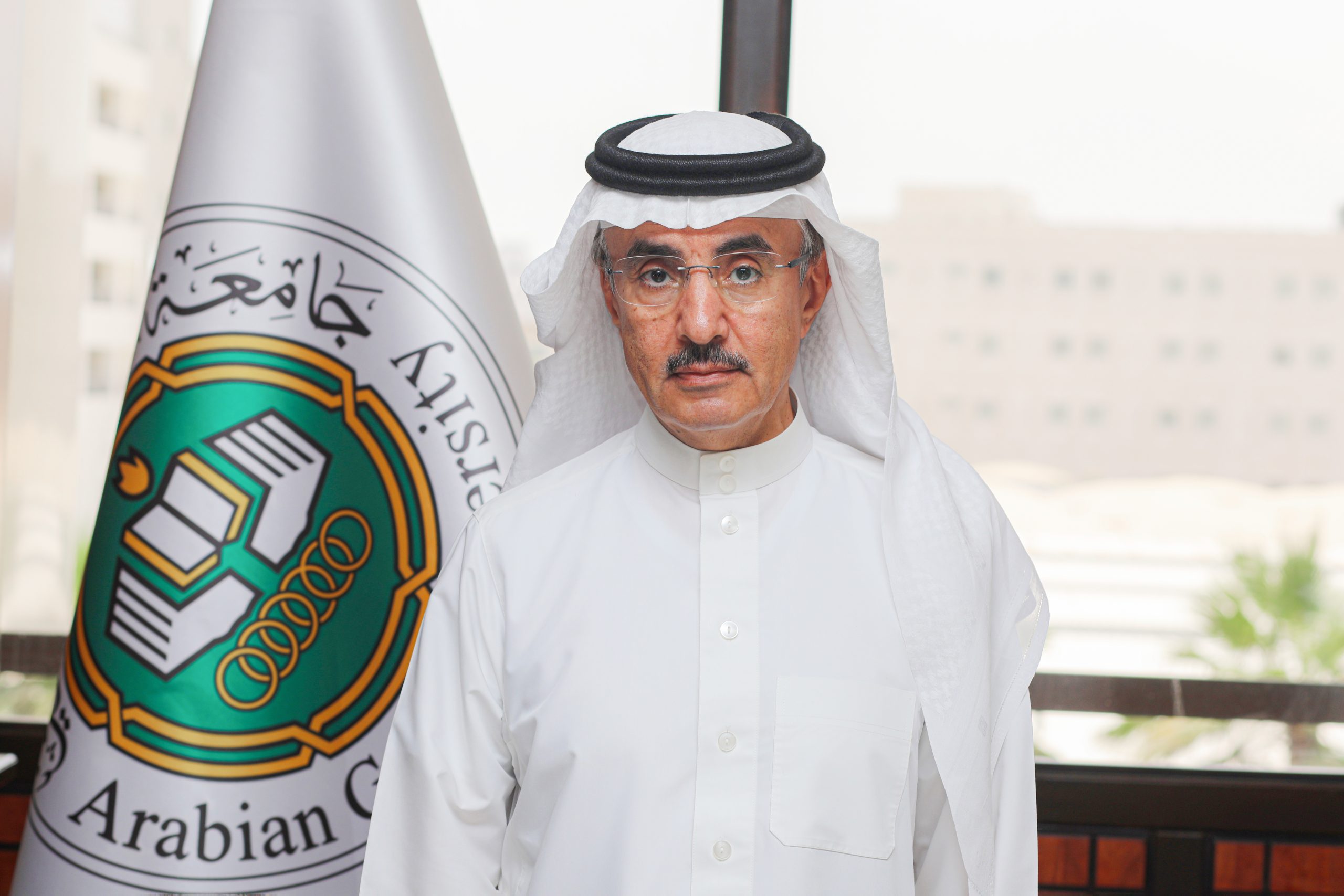
The launch ceremony will be held under the auspices of His Excellency the University President, Dr. Saad bin Saud Al-Fahaid. These initiatives are part of an integrated vision aimed at developing academic, administrative, and research performance, and enhancing the university’s competitiveness at the regional and international levels.
His Excellency the University President, Dr. Saad bin Saud Al-Fahaid, emphasized that these projects represent a qualitative leap in the university’s journey and contribute to strengthening its capability for continuous development and building a more efficient and flexible operational system, thereby supporting its role as a leading Gulf academic institution serving education, research, and innovation.
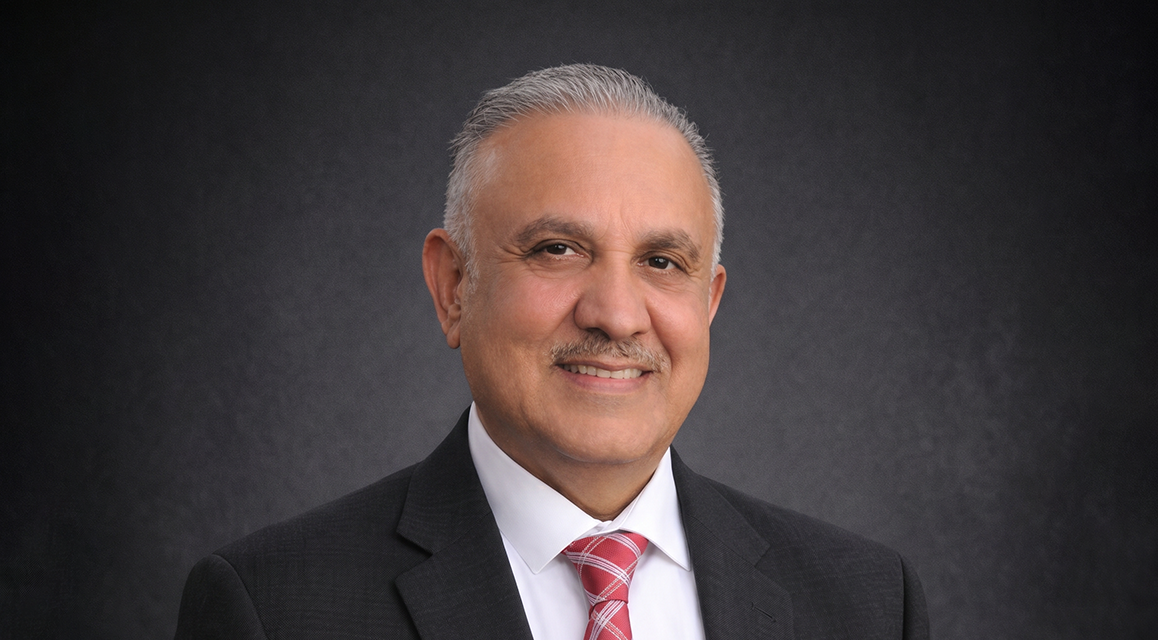
For his part, Dr. Ghazi bin Abdulrahman Al-Otaibi, Vice President for Academic Affairs and Scientific Research, explained that these projects are part of efforts to develop the university’s operational system, improve the quality of its outputs, and enhance the university’s readiness to meet the requirements of the coming phase in the fields of higher education and scientific research.
The university views these projects as an interconnected package that enhances the efficiency of the institutional system by developing strategic frameworks, establishing a modern institutional identity, upgrading technical infrastructure, and improving service quality, in addition to developing human capital and strengthening governance practices, thereby supporting the achievement of the university’s objectives, and enhancing its readiness for the future.
by ashokaib | May 11, 2026 | Uncategorized
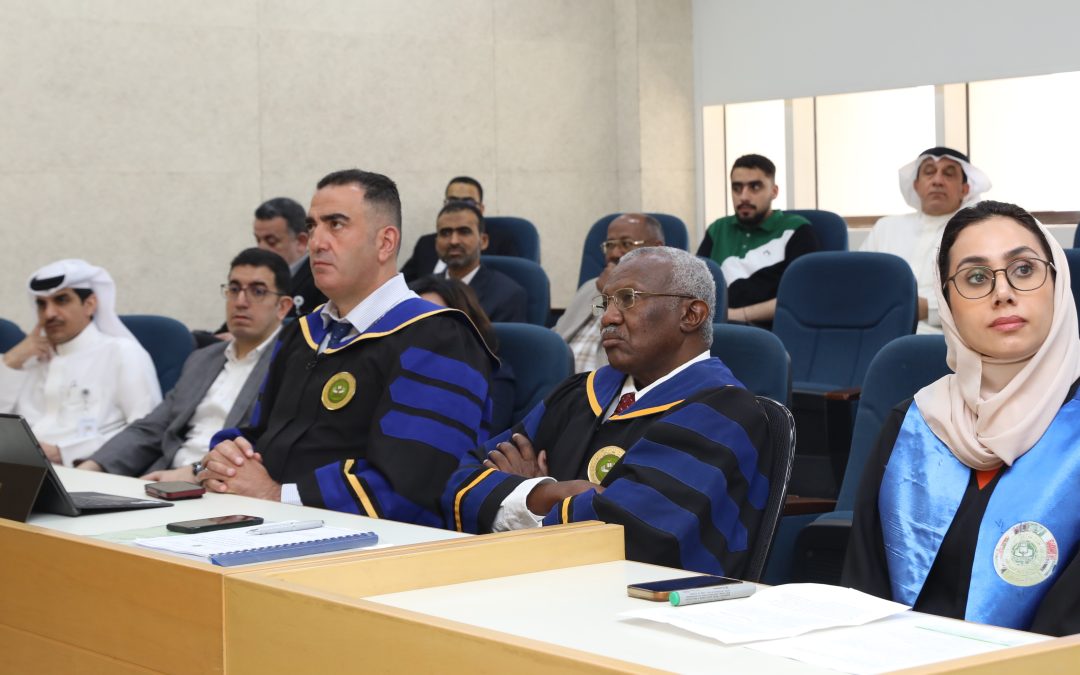
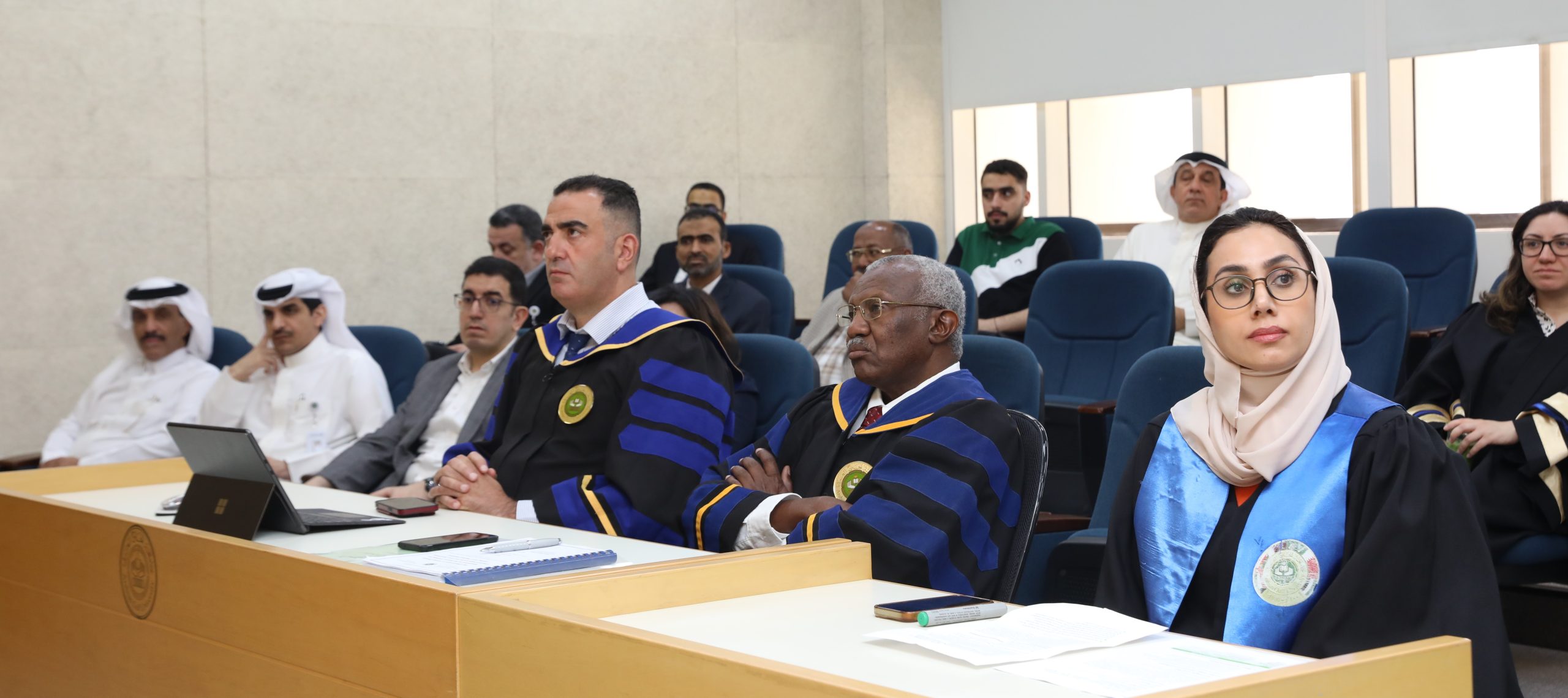
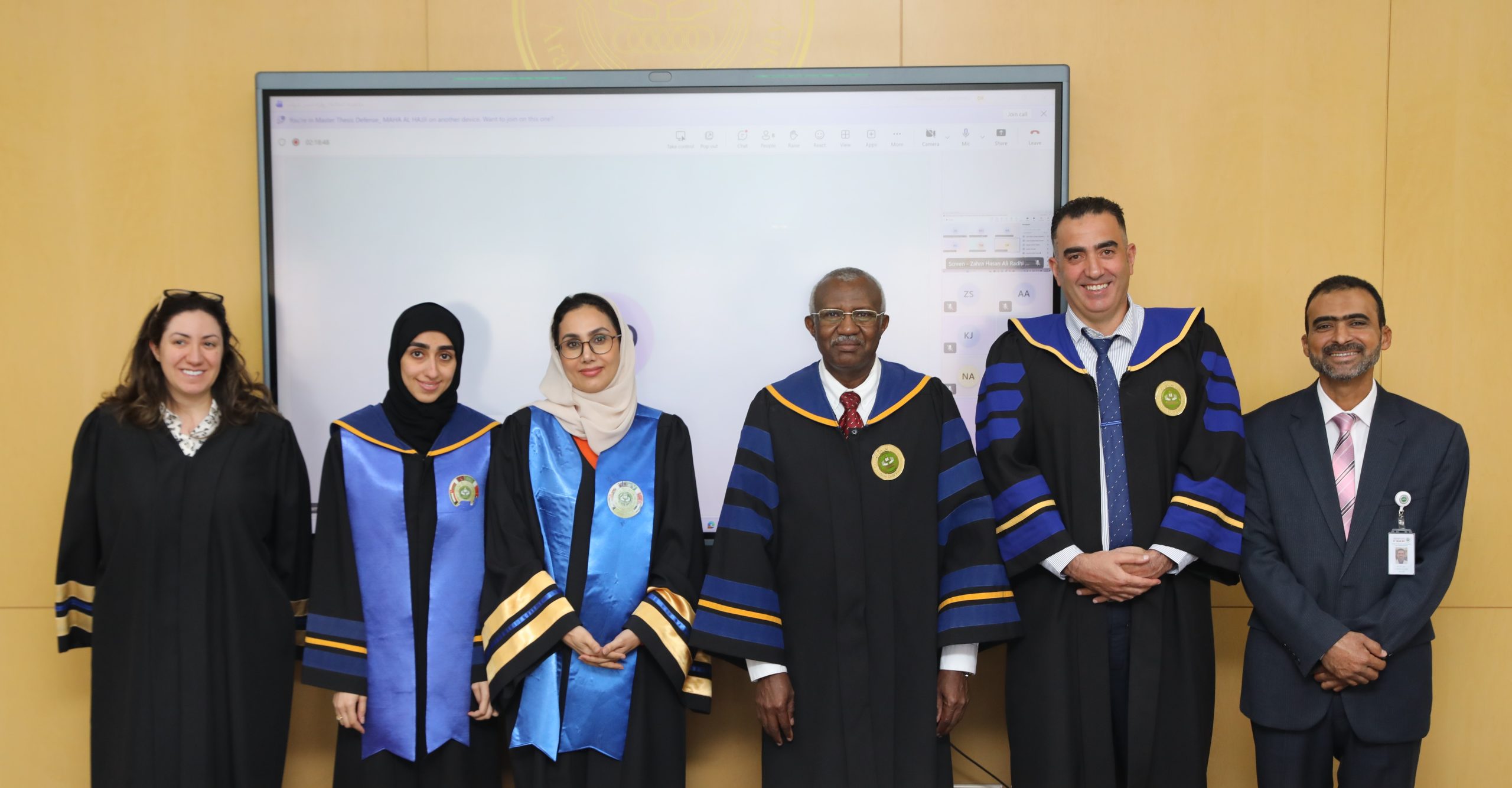
Zahraa Hassan Shihab, a student in the Digital Education Program at the College of Education, Administrative and Technical Sciences at Arabian Gulf University, presented the findings of her thesis for a Master of Science degree in Digital Education, titled “The Effectiveness of Virtual Patient Simulations in Clinical Competency Training and User Experience Among Medical Students at Arabian Gulf University,” as part of the first academic outputs of the His Majesty King Hamad Chair in Digital Education at the college.
The study addressed a vital topic in the era of digital transformation and aimed to evaluate the impact of using virtual simulation technologies on the development of clinical and psychological skills among medical students. The results showed a marked improvement in students’ overall clinical performance by more than 87%, along with high technological acceptance of the system according to the Technology Acceptance Model (TAM).
The study revealed in-depth qualitative insights regarding communication skill gaps, and the student provided evidence-based recommendations for the future development of virtual simulations, particularly in Arab and Gulf environments. It employed a mixed-methods approach, alongside an instructional design based on the ADDIE model, which enhanced the accuracy and reliability of the results.
The study showed a marked improvement in students’ overall clinical performance following the redesign of the virtual simulation scenario, with a performance rate of 87.61%, exceeding the 80% proficiency threshold, reflecting the model’s success in enhancing clinical skills.
The study also revealed a relative weakness in communication skills; students scored only 71.44%, which the results attributed to limited dialogue options and a lack of sufficient emotional realism during interactions with the virtual patient.
The results also showed a high level of student satisfaction and acceptance of the virtual simulation, both in terms of ease of use and educational value, with an average educational effectiveness score of 4.6 out of 5, confirming the role of simulation in developing clinical reasoning and enhancing understanding of medical concepts. Students in the study sample praised the clarity of the learning environment’s design and the immediate feedback, noting that these features helped build confidence and reduce stress related to psychological interviews. They recommended further developing the simulation by integrating artificial intelligence and voice interaction technologies to enhance the realism of communication.
The study concluded that virtual patient simulations (VPS) represent an effective and scalable educational tool in psychiatric training, with a need for technical improvements to address communication skill gaps.
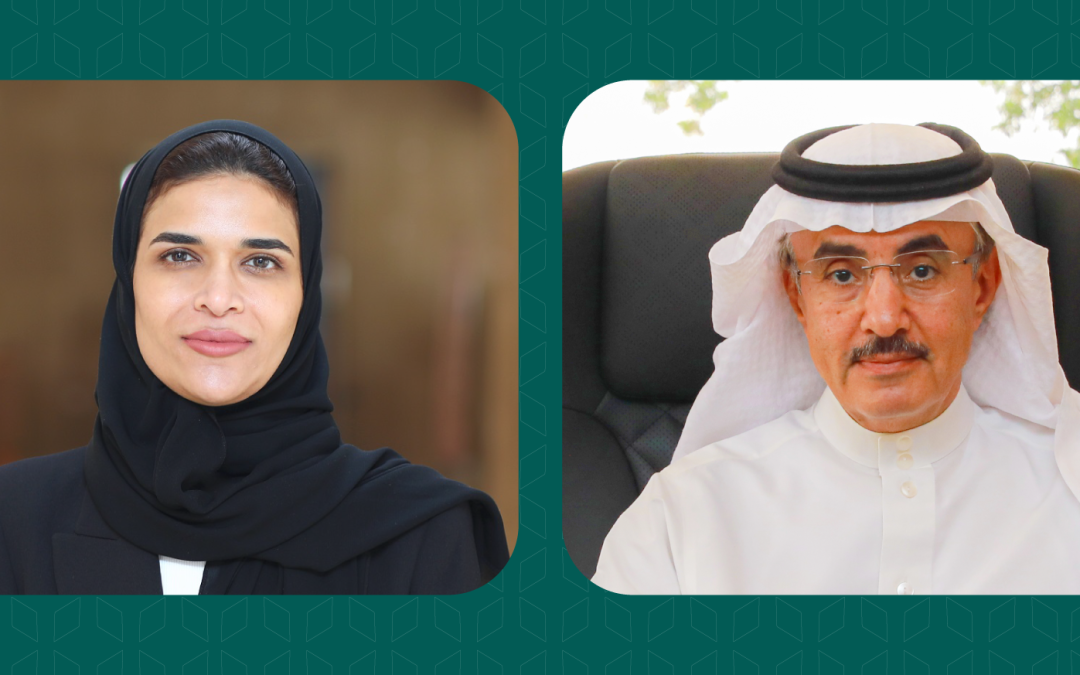
The thesis discussion committee consisted of Prof. Dr. Al-Ajab Muhammad Al-Ajab, Head of the Department of Education and Curriculum and the thesis’s primary supervisor, along with Prof. Dr. Muhammad Al-Tahir Othman, Professor of Educational Technology and Educational Systems Development at Sultan Qaboos University, serving as an external examiner, Dr. Al-Muthanna Mustafa Qasaymeh, Associate Professor of Educational Technology at the Arabian Gulf University, serving as an internal examiner; and Dr. Reem Jassim Al-Ansari, Director of the Medical Skills and Simulation Center and Professor of Medical Sciences Education, serving as a co-supervisor.
For his part, Prof. Dr. Al-Ajab emphasized that this discussion represents an important milestone in the journey of both the Chair and the university and serves as a practical embodiment of the Chair’s vision to support applied research that integrates technology with education.
It is worth noting that the Master of Science program in Digital Education is the first of its kind in the Gulf region and the Arab world, and aims to train specialized professionals capable of designing, implementing, and evaluating innovative digital education solutions in line with contemporary requirements and international quality standards.
by ashokaib | May 11, 2026 | Uncategorized
Arabian Gulf University (AGU) has opened registration for the Master of Business Administration (MBA) program in partnership with the French ESSEC Business School, in specialisations including Public-Private Partnerships and Utilities Management. The program is part of the graduate and doctoral academic programs offered at the College of Education, Administrative and Technical Sciences for citizens and Arab residents of the GCC for the academic year 2026/2027, within its expansion plans to provide a range of specialised programs that meet the development needs of the region and keep pace with the future requirements of the Gulf labour market.
Professor Adel Ismail Al-Alawi, Coordinator of the MBA Program at the College of Education, Administrative and Technical Sciences at the AGU, emphasised that this partnership with ESSEC reflects the close cooperation between the two institutions to achieve academic excellence and regional influence, in line with quality assurance standards in higher education. This cooperation also aims to graduate Gulf leaders who develop and strengthen the Gulf economy, motivating them to progress towards professional and personal success.
Prof Al-Alawi expressed the university's pride in this unique partnership, which has resulted in the graduation of over 215 distinguished business leaders from the Gulf, with an additional 49 graduates expected in June 2026. He emphasized the university’s commitment to providing a work environment that nurtures innovation by strengthening international partnerships with one of the most prestigious French universities. He stated, "The most important feature of this program is its provision of a specialised experience in the field of business administration, which not only equips graduates with the skills necessary for success, but further provides them with a deep understanding of public-private partnerships and utilities management." The curriculum's design paves the way for graduates to succeed, helping them overcome challenges and capitalise on opportunities at the forefront of modern infrastructure development. He also noted the program's focus on digital transformation, ensuring that graduates are well-equipped to keep pace with the ever-evolving global technological landscape.
"This program is ranked third globally among MBA programs,” he added. “It represents the culmination of academic cooperation between the French Republic and the Kingdom of Bahrain, in fruitful cooperation with AGU and ESSEC. The program was carefully designed to address the unique challenges of the Gulf region while integrating international standards of excellence, combining theoretical knowledge with practical field experience to achieve genuine successes. Hundreds of young graduates have assumed leadership positions in ministries, companies, and institutions operating in the public and private sectors in the Gulf, demonstrating Gulf countries' high confidence in the MBA program and the strength of its outputs.”
It is worth noting that this program falls within the university's strategic direction to promote scientific research, support innovation, and meet the needs of the Gulf and Arab labour markets through high-quality programs and modern practical applications. Admission requires that students be citizens of a GCC country, but Arab residents may also be accepted. Applicants’ bachelor’s degree GPA must not be less than 3.0, and the student must have achieved the required score (depending on the major) on the British IELTS test or its equivalent American TOEFL test. Students must also pass a personal interview and any exams or academic requirements specified by the program and approved by the university, in addition to submitting a health fitness test certificate, and a certificate of good conduct from their university.
by ashokaib | May 10, 2026 | Uncategorized
The Department of Nursing at the College of Medicine & Health Sciences at Arabian Gulf University has signed an academic and professional cooperation agreement with Johns Hopkins University, aimed at strengthening international collaboration and advancing education, training, and research in nursing sciences.
The agreement will support academic development, capacity building, clinical training, and continuing education, while enabling the exchange of expertise in line with the latest international standards. It also includes opportunities for developing academic programs, delivering specialized workshops, and promoting joint research initiatives to enhance the competencies of students and academic staff.
On this occasion, the University President, H.E. Dr. Saad bin Saud Al Fuhaid, stated:“This agreement represents a strategic step in expanding collaboration with one of the world’s leading institutions in health sciences. It reflects our commitment to adopting international best practices and advancing the quality of nursing education, while preparing highly qualified Gulf healthcare professionals.”
For her part, Dr. Hawazen Omar Al Rawas, Head of the Department of Nursing, emphasized that the partnership aligns with the university’s strategic direction to strengthen global academic ties. She noted that it will enhance the quality of education and training and support the preparation of nursing professionals capable of meeting the evolving demands of the healthcare sector.
This partnership builds on the longstanding collaboration between the two institutions, which previously led to the launch of the Clinical Master’s Program in Family Medicine, and reflects their shared commitment to advancing healthcare education and research.
by ashokaib | May 7, 2026 | Uncategorized
The Bachelor of Nursing Science program at Arabian Gulf University has been approved by the Accreditation Commission for Education in Nursing to enter the international accreditation candidacy phase.
Achieved just two years after the program’s launch, this milestone reflects the university’s commitment to international standards in healthcare education. The program successfully met ACEN’s eligibility requirements, marking a key step toward full accreditation and strengthening its regional and global academic standing.
The University President, his excellency Dr. Saad bin Saud Al Fuhaid, stated that this achievement highlights AGU’s dedication to preparing highly qualified Gulf healthcare professionals and advancing the quality and competitiveness of its academic programs.
Chairperson of the Department of Nursing, Dr. Hawazen Omar Al Rawas, described the candidacy as a pivotal step that enhances academic quality, expands international collaboration, and strengthens graduates’ employability.
This advancement is expected to broaden opportunities for graduates in postgraduate studies and employment, while reinforcing their alignment with global standards in nursing practice, patient safety, and professional ethics.