by ashokaib | Apr 22, 2026 | Uncategorized
The Arabian Gulf University is organizing a specialized international scientific conference on the applications of artificial intelligence in the healthcare sector, to be held from November 5 to 7, 2026, in the capital, Manama, with the participation of a select group of experts, academics, and specialists from the region and around the world. The event aims to discuss the latest innovations and practical applications of artificial intelligence in various fields of medicine, including cardiology, diabetes, medical education, and genomics.
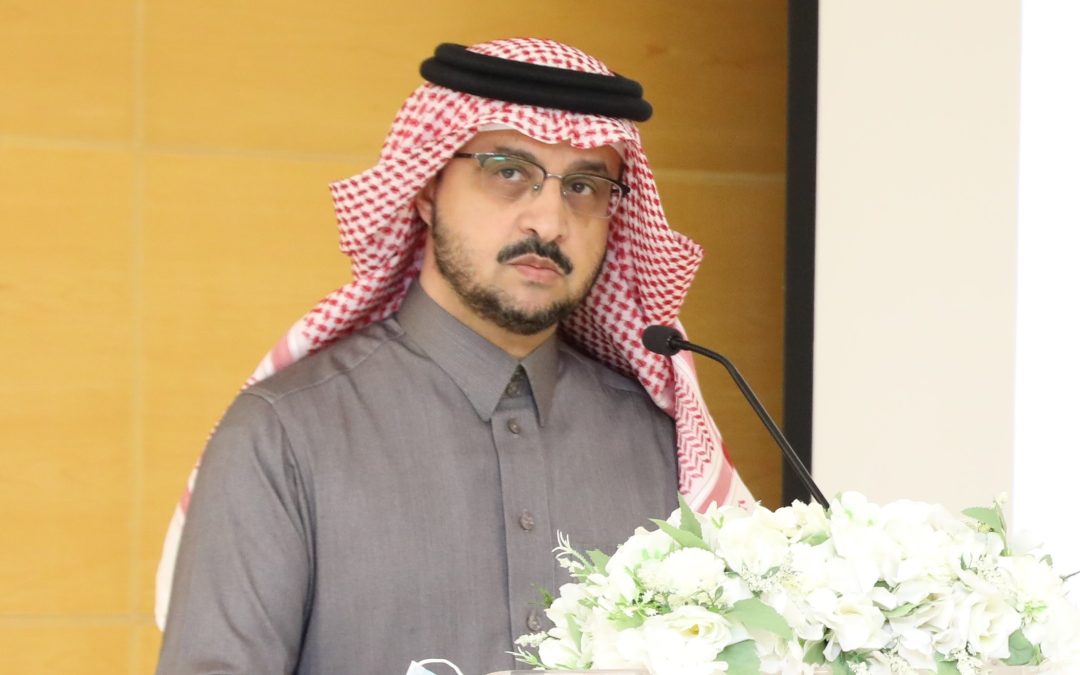
Dr. Ghazi bin Abdulrahman Al-Otaibi, Vice President for Academic Affairs and Scientific Research, explained that the conference program includes a number of advanced topics, with scientific sessions focusing on the use of AI technologies in the prevention of heart disease and the prediction of its risks, supporting the care of patients with diabetes and obesity through continuous monitoring and personalized treatment, as well as developing diagnostic imaging techniques and improving their accuracy.
He noted that specialized sessions will explore the applications of artificial intelligence in emergency and intensive care units, including intelligent patient triage, early detection of critical conditions, and the customization of treatment plans to enhance the efficiency of medical response and the quality of healthcare.
The conference will also address the ethical and regulatory dimensions associated with the use of artificial intelligence in healthcare, with a focus on protecting patient privacy and ensuring the responsible and safe use of modern technologies, In addition to discussing its role in advancing nursing, medical education, and precision medicine through clinical decision support, remote monitoring applications, and the training of digital healthcare professionals capable of keeping pace with rapid technological transformation. The conference will also feature a student session reviewing AI applications in medical education.
The discussion will extend to the fields of genomics and bioinformatics, including the discovery of biomarkers, the acceleration of drug development, and the prediction of treatment response, as well as the enhancement of primary and virtual care services and the improvement of chronic disease management outside traditional healthcare facilities.
The conference will conclude with practical workshops addressing the use of artificial intelligence in interpreting electrocardiograms, clinical research design, and health data analysis, as part of an accelerating trend toward integrating these technologies into the healthcare system, thereby contributing to improved service efficiency and quality, while emphasizing the synergy between technological innovation and human expertise.
by ashokaib | Apr 21, 2026 | Uncategorized
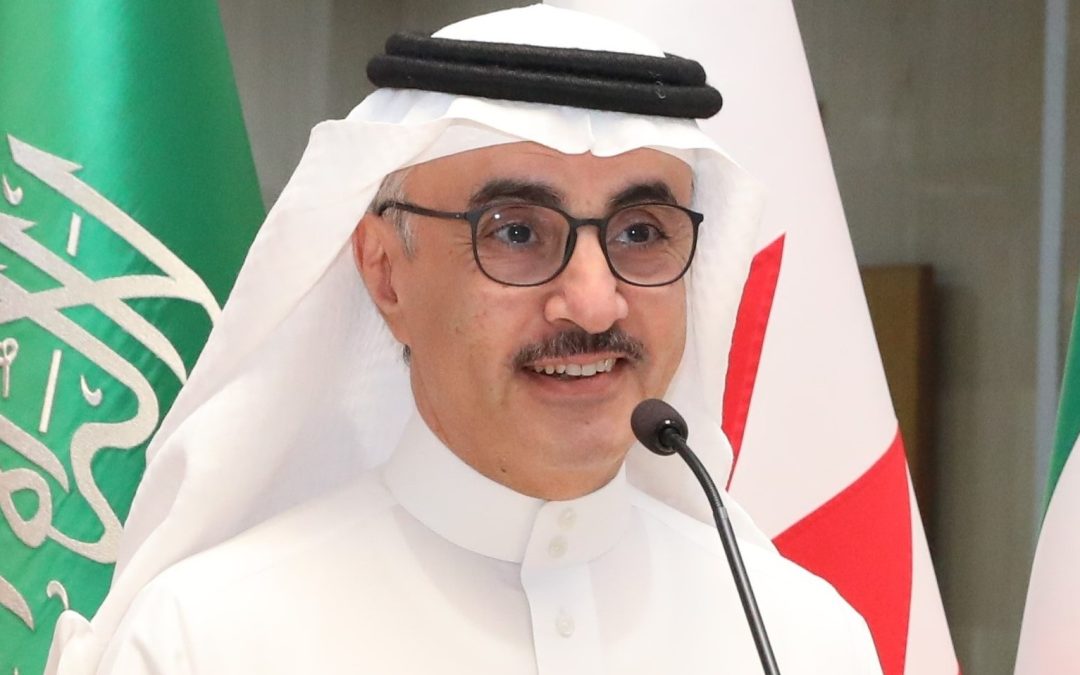
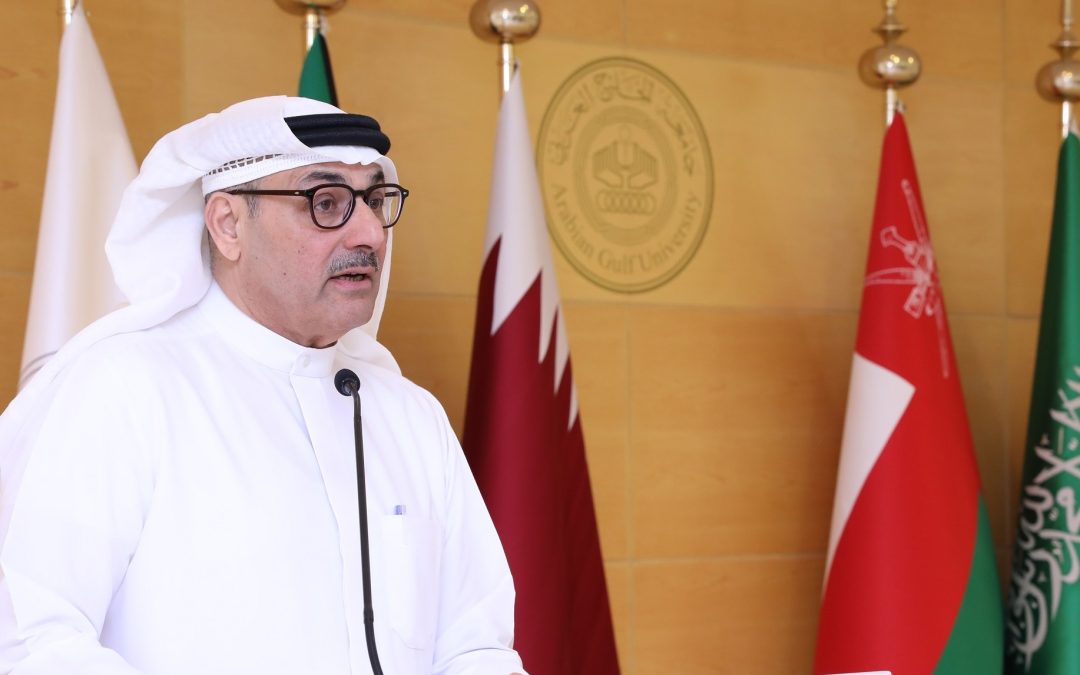
His Excellency Dr. Saad bin Saud Al-Fuhaid, President of the Arabian Gulf University, affirmed that the university continues to develop its academic and research roles in the fields of innovation and digital transformation, thereby contributing to the Gulf Cooperation Council countries’ shift toward a knowledge-based economy.
Coinciding with World Creativity and Innovation Day, he explained that investing in the development of students’ and researchers’ capabilities is a fundamental element in promoting economic sustainability and building innovation-based development models, noting that the university’s strategic plan has given special importance to innovation and human resource development, in line with its vision to be an academic beacon for human development and shaping the future.
He added that innovation is one of the university’s core institutional values, noting that for decades it has worked to expand its academic and research programs focused on nurturing talent and managing innovation, with the aim of preparing Gulf professionals capable of transforming research ideas into practical applications and initiatives with economic and social impact.
In a global context where interest in creativity is growing as a key driver of development, the experience of the Arabian Gulf University stands out as an academic model that underscores the evolving role of universities in the region—from traditional educational institutions to platforms that contribute to the production of knowledge and its application in supporting digital transformation and the knowledge economy.
As one of the first educational institutions in the Gulf to adopt specializations in the fields of creativity, innovation management, and gifted education, the university continues to implement academic programs aimed at combining theoretical foundations with practical applications, including master’s and doctoral programs in “Innovation Management,” and master’s and doctoral programs in “Gifted Education,” thereby promoting the application of creative ideas in projects with sustainable developmental outcomes.
For his part, Prof. Dr. Ahmed Mohammed Al-Abbasi, Professor of Gifted and Creative Education and Vice Dean of the College of Education, Administrative and Technical Sciences at Arabian Gulf University, explained that the university has implemented a number of significant initiatives in recent years, most notably the launch of programs to support gifted students in the fields of medical and health sciences, as well as the development of a digital system for managing scientific research, which has contributed to enhancing the efficiency of research output and linking it to practical applications. He added that the university’s graduates participate in implementing innovative initiatives within government and private institutions, thereby supporting national development trajectories, and aligning with the visions of the GCC countries.
For her part, Prof. Dr. Fairouz Musleh Al-Dhamour, Head of the Department of Innovation and Technology Management and Professor of Management Information Systems at the College of Education, Administrative and Technical Sciences, noted that the university has recently launched a series of initiatives and workshops addressing the concepts of the “flexible university” and its responses to global transformations. She explained that these initiatives focused on leveraging artificial intelligence and cybersecurity technologies to enhance institutional innovation, particularly in the context of crisis management, emphasizing that the university seeks to consolidate its role as a partner in building national capacity and empowering Gulf youth to face the challenges of the future.
by ashokaib | Apr 21, 2026 | Uncategorized
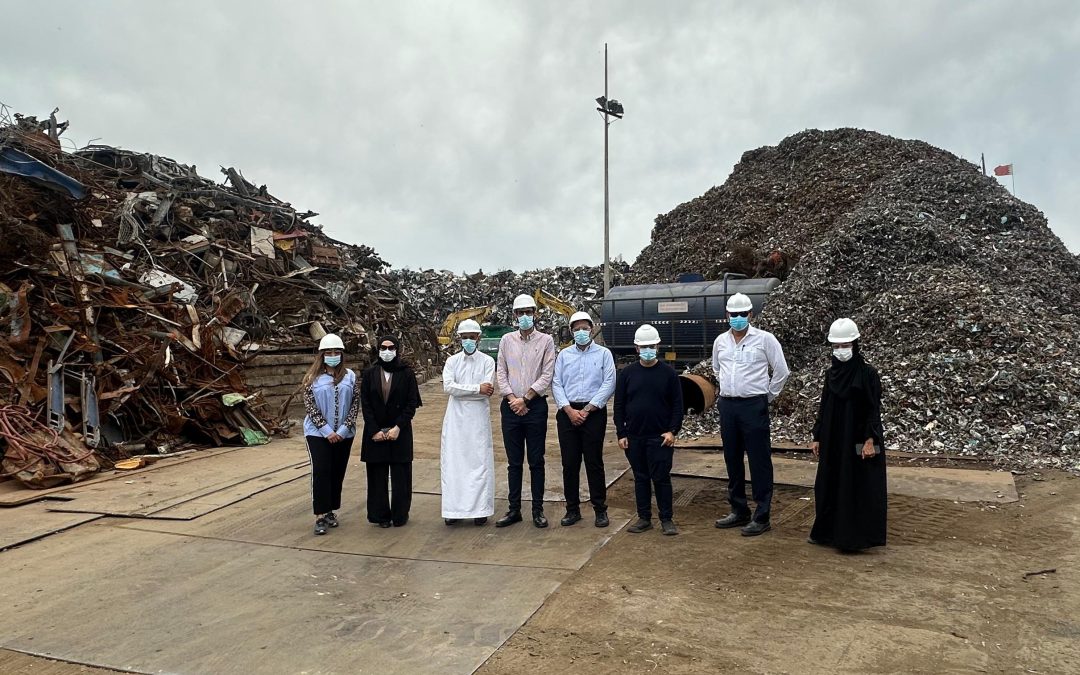
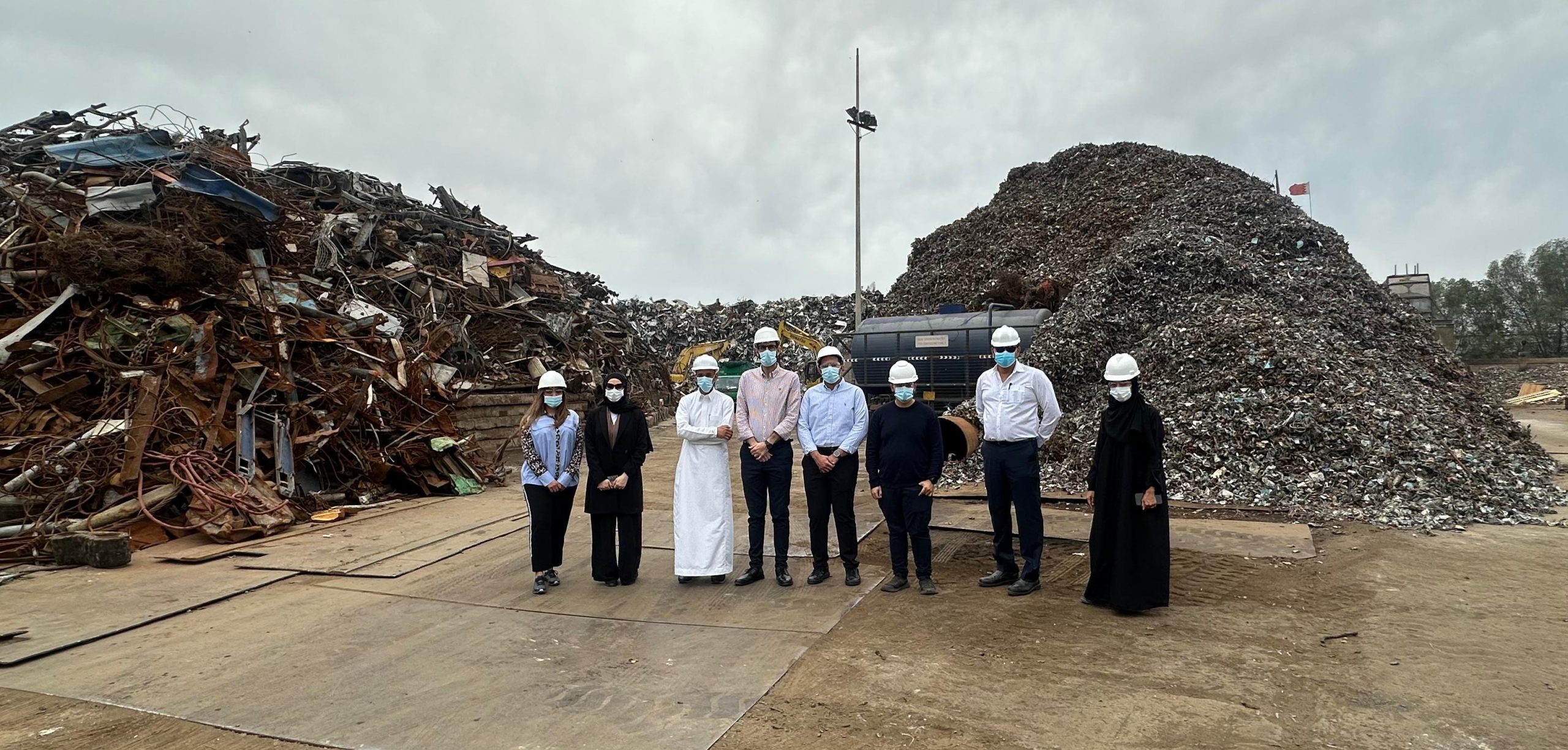
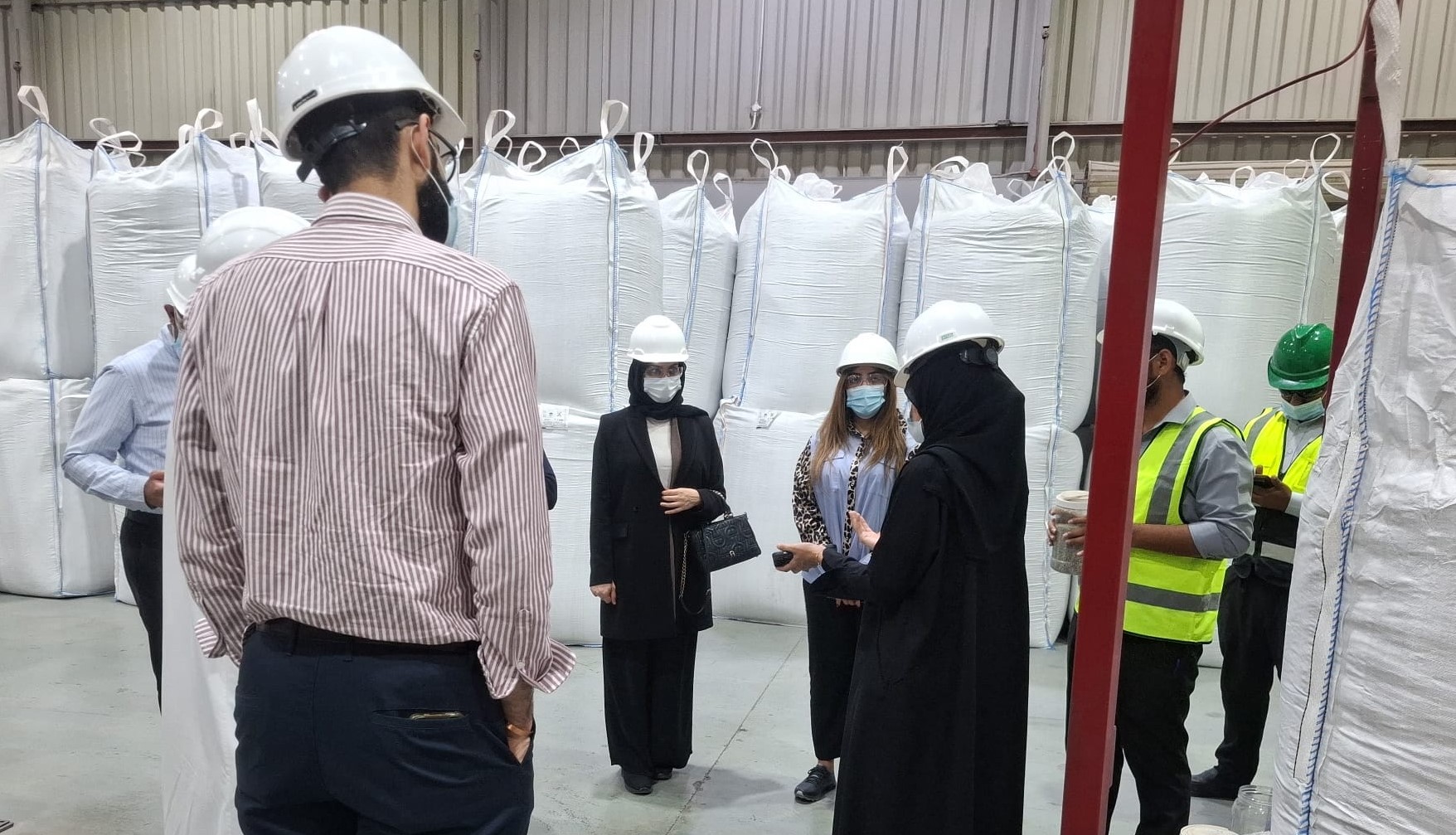
The Professional Diploma Program in Waste Management at the College of Education, Administrative and Technical Sciences at Arabian Gulf University organized a field trip to several recycling companies and sites, including Crown Industries, the Mardami Askar site, the municipal and hazardous waste landfill, and the composting site in Hoorat Aali, which is managed by the Spanish company “Orbiser” in cooperation with the Ministry of Municipalities. The aim was to reinforce the practical application of the theoretical concepts students learn and to familiarize them with leading sustainable environmental practices and strategies for managing municipal, industrial, and hazardous waste.
During the visit, students from the program’s fifth cohort, accompanied by the program’s founder and coordinator—Assistant Professor of Environmental Engineering at the Center for Biological and Environmental Studies in the College of Education, Administrative and Technical Sciences, and Director of the Corporate Communications Center at Arabian Gulf University, Dr. Sumaya Yousif, learned about the sustainable policies and practices adopted by recycling companies, as well as their role in improving public health, supporting the economy, and promoting community sustainability.
The students learned about safety procedures, the stages of manufacturing and waste treatment, and methods for converting waste into reusable raw materials. They also explored practices for recycling electronic, metallic, and plastic waste, as well as organic and agricultural waste, and examined safe disposal mechanisms, environmental monitoring, and landfill engineering. They also discussed how these technologies contribute to conserving natural resources, reducing manufacturing costs, diversifying the economy through new investment opportunities, and promoting the circular economy approach, thereby supporting the sustainability of communities.
Dr. Sumaya Yousif highlighted the importance of this visit in enriching students’ knowledge and deepening their understanding of sustainable waste management concepts, emphasizing that it opens up investment and collaboration opportunities across different sectors, thereby contributing to enhanced sustainability in Gulf countries. She added that waste management is one of the most significant environmental challenges in urban cities, necessitating the adoption of sustainable approaches focused on reducing waste at the source, reuse, recycling, and limiting landfilling as the last and least sustainable option within the integrated waste management hierarchy.
The Professional Diploma in Waste Management program, which launched its fifth cohort this year, is the first of its kind in the Arab Gulf states and is accredited by the Chartered Institute of Waste Management (CIWM). The program is delivered through a flexible learning model that combines virtual and in-person sessions, attracting participants from various GCC countries and multiple sectors, including municipalities, industry, commerce, and healthcare.
Since the program’s launch, 105 specialists from the public and private sectors in GCC countries have graduated, many of whom have contributed to promoting sustainable environmental practices in decision-making roles. The program is supported by the United Nations Environment Programme (UNEP) – West Asia Office and aims to build capacity, raise awareness of the importance of sustainable waste management, and foster an innovative investment environment that contributes to sustainable development. The Arabian Gulf University plays a pivotal role in providing Gulf communities with regionally and internationally influential talent in fields that support health, the environment, and sustainability, in line with its vision and strategic plan.
by ashokaib | Apr 20, 2026 | Uncategorized
The Dean of the College of Education, Administrative and Technical Sciences at Arabian Gulf University, Professor of Water Resources Prof. Dr. Walid Zubari, emphasized that Earth Day represents a recurring global occasion to strengthen the commitment to protecting the environment and raising awareness of the importance of sustainability, noting that preserving the planet is a shared responsibility that requires concerted efforts among institutions and individuals worldwide.
He noted that the university places environmental sustainability at the core of its academic and research programs by integrating its concepts into the curriculum and encouraging students to launch innovative initiatives that contribute to reducing environmental impact and promoting responsible behaviors toward natural resources, in line with modern educational trends centered on social responsibility.
He highlighted the university’s leading role in the field of sustainability, through its support for research related to environmental issues, the expansion of regional and international partnerships, and the development of high-quality academic programs that help prepare qualified professionals capable of effectively addressing contemporary environmental challenges.
Professor Zubari emphasized that Arabian Gulf University represents an advanced academic model in the region, utilizing education and scientific research to serve sustainable development goals. He emphasized the importance of strengthening strategic partnerships, raising environmental awareness, and stimulating innovation in the fields of environmental protection and clean energy, thereby contributing to the development of expertise capable of addressing environmental crises efficiently and effectively.
He concluded by emphasizing that Earth Day represents a renewed opportunity to strengthen our collective commitment to protecting natural resources and working toward a more sustainable future for generations to come.
The Arabian Gulf University is a leading regional academic institution that, through its colleges and research centers, strives to provide distinguished education and rigorous scientific research that serves the causes of sustainable development in GCC countries and the region.
by ashokaib | Apr 19, 2026 | Uncategorized
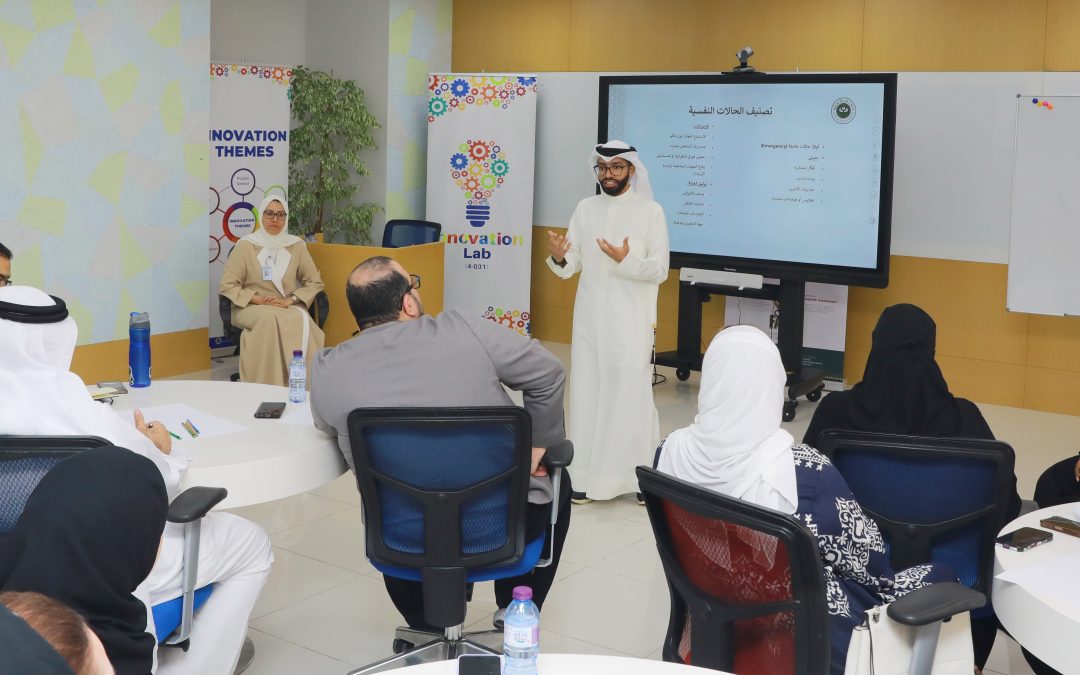
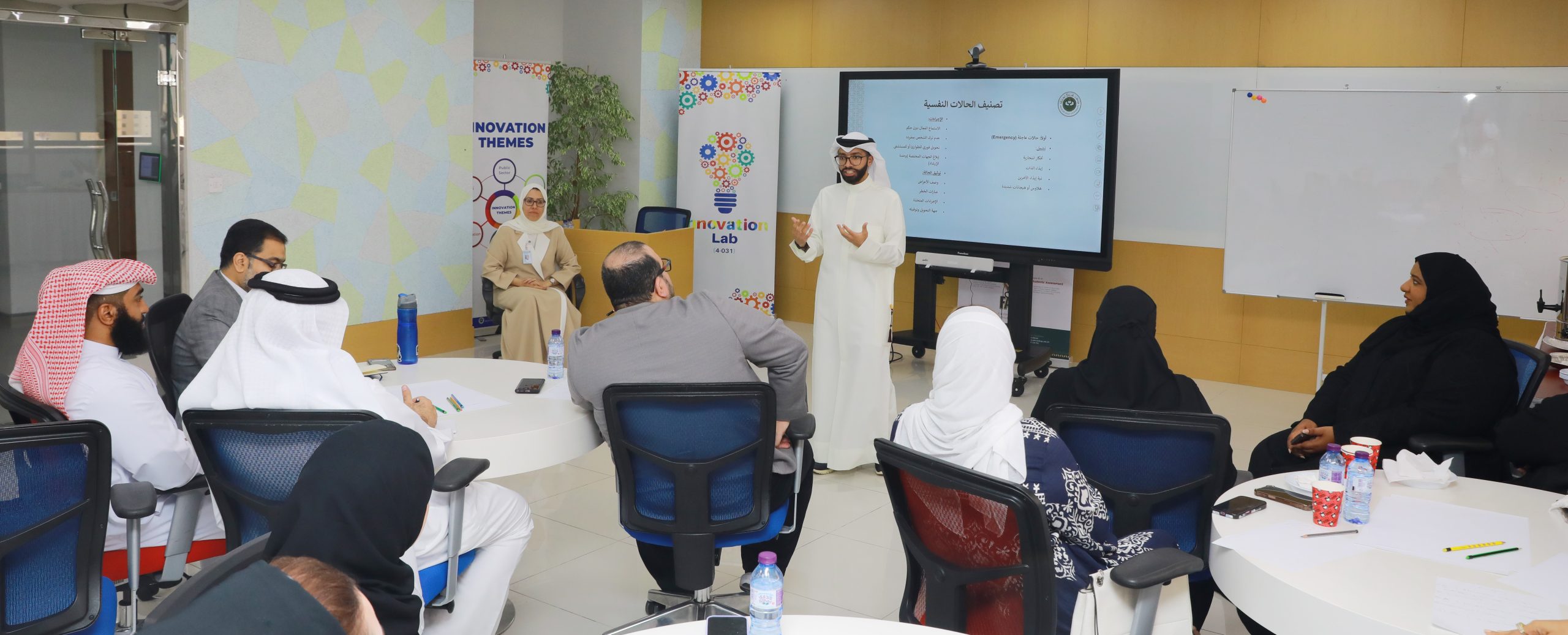
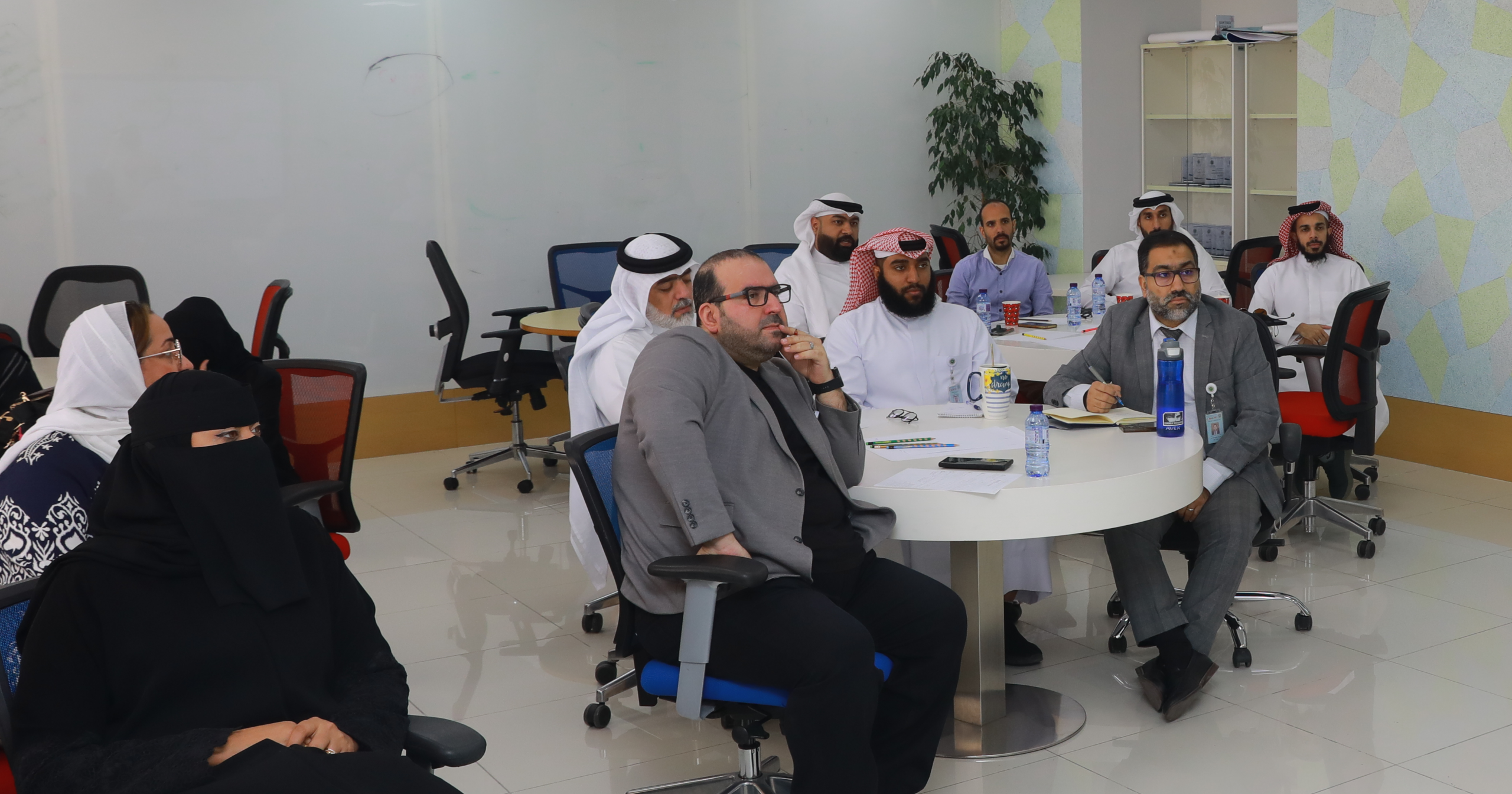
The Student Counseling Unit at the Deanship of Student Affairs at Arabian Gulf University organized a specialized workshop titled “Psychological First Aid,” targeting staff who interact directly with students across various campus facilities, as part of efforts to foster a safe and motivating university environment. The four-hour workshop saw active participation from dormitory supervisors and Deanship staff, reflecting the growing institutional awareness of the importance of enhancing the psychological readiness of frontline workers.
The workshop was presented by Masouma Al-Aali, Head of the Student Counseling Unit at the Deanship of Student Affairs, and Counselor Mohamed Hajji, as part of the Deanship of Student Affairs’ strategic initiatives aimed at promoting mental health and building an integrated support system on campus, based on its belief that administrative and field staff represent the first line of defense in identifying students’ needs and addressing them effectively.
The workshop aimed to enhance preparedness and strengthen early intervention skills, enabling participants to acquire practical skills that help them address mental health emergencies with awareness and professionalism, thereby contributing to the provision of rapid and safe initial support to students and preventing the escalation of mental health issues within the university environment. The training program focused on four main areas, including clarifying professional roles in initial psychological interventions, reviewing evidence-based psychological support methods, introducing practical tools used in this field, and proper referral mechanisms to specialists to ensure continuity of care.
The workshop concluded with a key message that “promoting mental health is a shared responsibility, beginning with awareness and extending to daily practice,” underscoring the importance of joining forces to create a balanced educational environment that supports students’ academic and personal growth.
For her part, Dr. Aseel Al-Saleh, Dean of Student Affairs at Arabian Gulf University, emphasized that investing in equipping staff with basic mental health first aid skills represents a strategic approach that goes beyond handling emergencies, laying the foundation for a more aware and cohesive university environment, based on a culture of active listening and support, and fostering mutual appreciation among members of the university community.
This workshop is part of a series of programs and initiatives implemented by the Deanship to promote mental health on campus, based on the firm conviction that providing a safe and supportive learning environment is a fundamental pillar for achieving academic excellence and enhancing students’ psychological and personal well-being.