by ashokaib | Apr 15, 2026 | Uncategorized
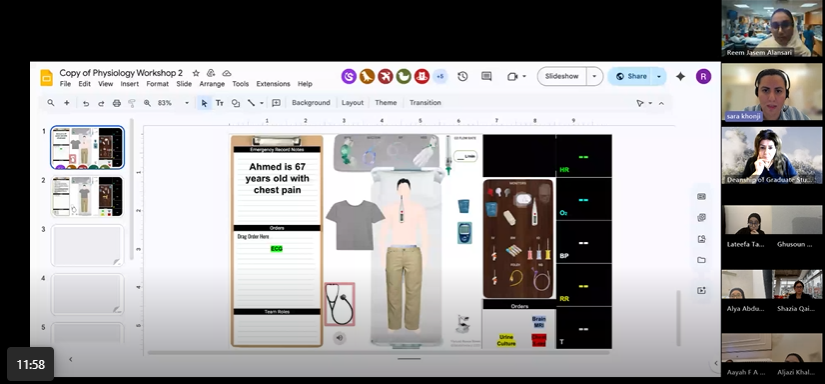
The Department of Physiology at the College of Medicine and Health Sciences at Arabian Gulf University, in collaboration with the Medical Skills and Simulation Center, a virtual workshop attended by 97 fourth-year medical students, with the aim of enhancing experiential learning among students amid the challenges of distance learning, by incorporating educational simulation into a well-thought-out educational plan that prioritizes learning objectives over technology.
The workshop featured an interactive clinical scenario involving a patient with pulmonary hypertension, in which students assessed the case, ordered necessary tests, and managed its progression step-by-step within a structured educational sequence. Time was also allocated for discussion, reflection, and feedback in a supportive learning environment that encourages critical thinking and analysis.
Dr. Rima Lutfi Abdulrazzaq, Dean of Graduate Studies and Scientific Research, said that the training utilized a virtual environment simulating a fully equipped resuscitation room, which was developed to be interactive and adaptable to students’ responses. She noted that the simulation included live audio effects, such as heart and lung sounds, which helped enhance the realism of the experience. She explained that the simulation was managed directly by the operations team, with students’ responses immediately reflected in the course of the scenario, thereby enhancing their interaction and engagement in the educational process.
Dr. Rima emphasized that this initiative embodies the integration of efforts between the Department of Physiology and the Simulation Center, through clear collaboration, meticulous planning, and the adoption of a well-established educational methodology that reflects a commitment to providing high-quality medical education. She added that the quality of education can be sustained and enhanced through virtual platforms when grounded in effective planning and purposeful educational experience, noting that simulation in the preclinical phase successfully achieves the optimal use of modern technologies and enhances students’ skills without exposing patients to any risks.
It is worth noting that medical education at Arabian Gulf University is undergoing significant development with the expanding use of simulation technologies, which have become an effective tool in the context of remote training, as they allow students to engage with realistic clinical scenarios using advanced digital platforms, thereby contributing to the development of decision-making and critical thinking skills in a safe learning environment and enhancing the quality of educational outcomes in the healthcare sector.
by ashokaib | Apr 14, 2026 | Uncategorized
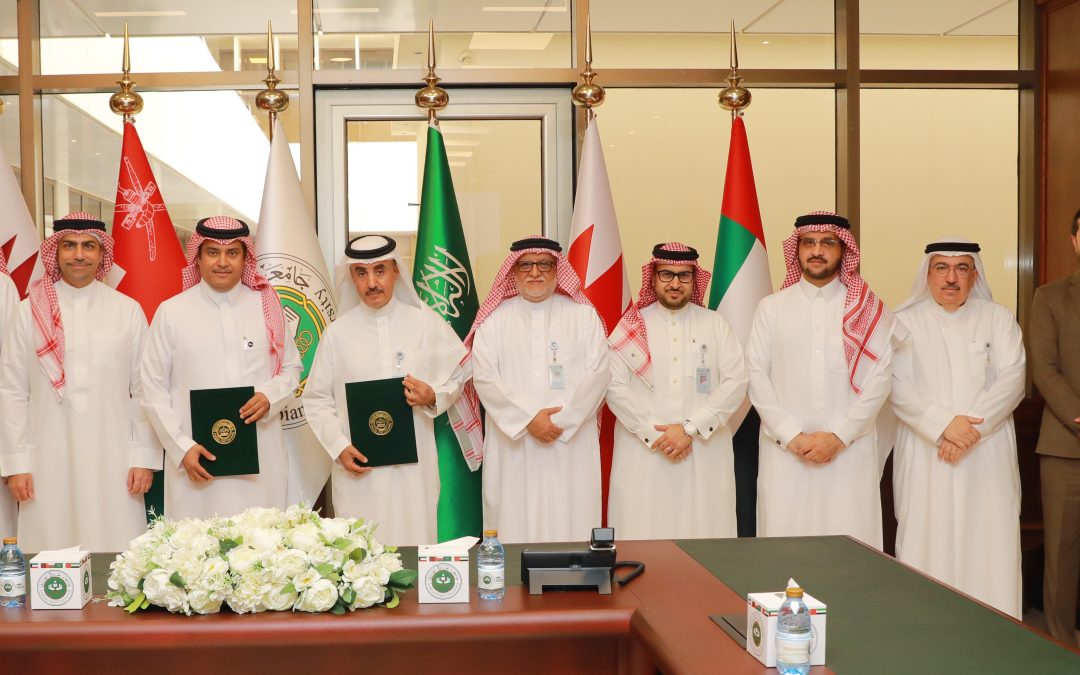
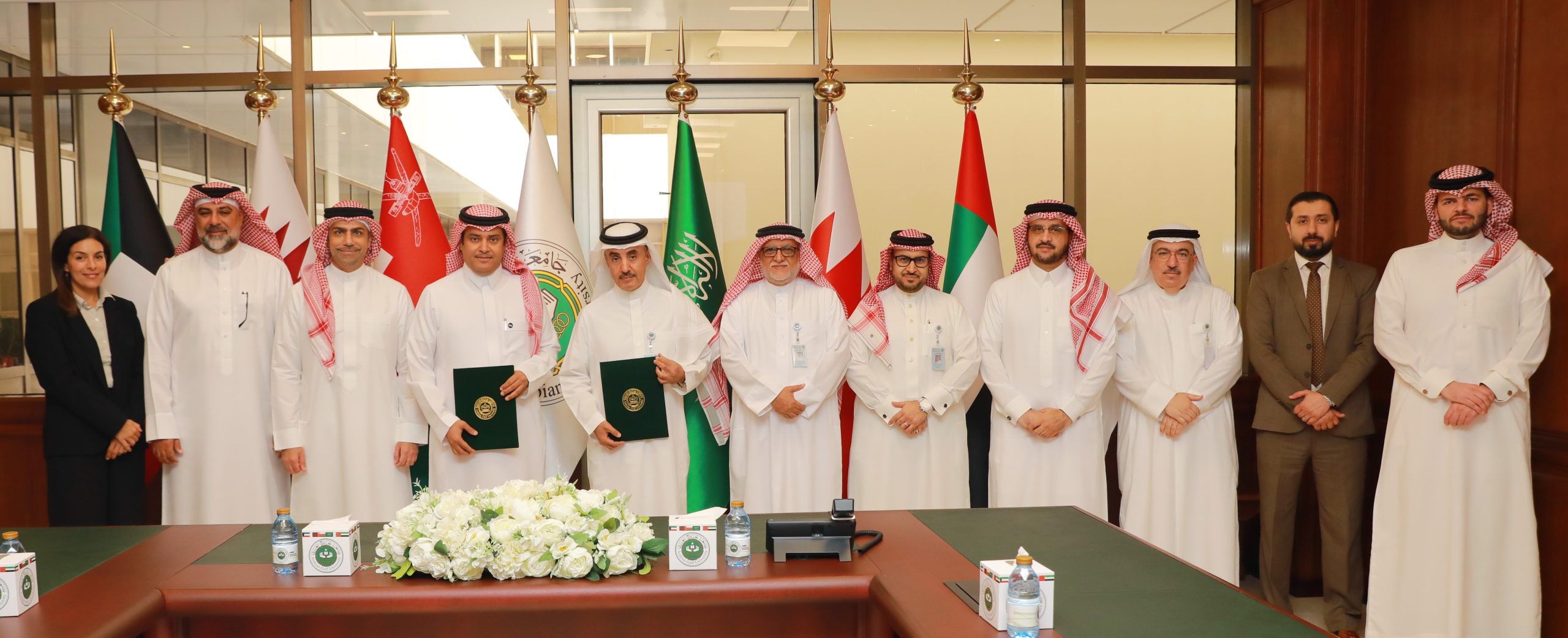
Arabian Gulf University has signed a strategic cooperation agreement with stc Bahrain, aimed at modernizing and developing the network infrastructure of the university’s buildings, as well as supplying, installing, operating, and upgrading the network in accordance with the highest approved technical standards, thereby ensuring the quality and efficiency of services and data protection.
The agreement was signed on behalf of Arabian Gulf University by His Excellency Dr. Saad bin Saud Al-Fuhaid, President of the University, and on behalf of stc Bahrain by His Excellency Eng. Khalid Al-Osaimi, Chief Executive Officer, as part of a partnership aimed at enhancing technical readiness and supporting institutional digital transformation.
His Excellency Dr. Saad bin Saud Al-Fuhaid, President of Arabian Gulf University, said that this collaboration is part of the university’s efforts to develop its digital infrastructure and foster an advanced and secure learning environment, keep pace with rapid digital transformations, meet the needs of students and members of the academic and administrative bodies, and contribute to providing high-quality educational and research services to the university community.
For his part, the CEO of stc Bahrain, Engineer Khalid Al-Osaimi, expressed his pride in the partnership with Arabian Gulf University, affirming the company’s commitment to implementing the project in accordance with the highest standards of quality and cybersecurity, ensuring compliance with technical specifications, deadlines, and approved timelines.
The partnership includes quality assurance, such as periodic inspections of equipment and technologies, the implementation of cybersecurity and data protection policies in accordance with applicable regulations, as well as comprehensive warranties and maintenance for a period of five years. This initiative reflects the Arabian Gulf University’s commitment to providing infrastructure that meets the highest standards for all services offered and to delivering advanced technical solutions that enhance network efficiency and improve connection speed and stability across the university’s various facilities, thereby supporting the growing use of digital applications and e-learning platforms.
This update represents a significant leap forward in the user experience on campus for students, faculty, and staff, by providing a fully integrated and secure digital environment that supports innovation and smart learning. This collaboration reflects the Arabian Gulf University’s strategic focus on investing in modern technologies and strengthening its partnerships with leading national and regional companies, thereby contributing to the achievement of its developmental and academic goals and cementing its position as a leading educational institution in the field of digital transformation and scientific research across the region.
by ashokaib | Apr 14, 2026 | Uncategorized
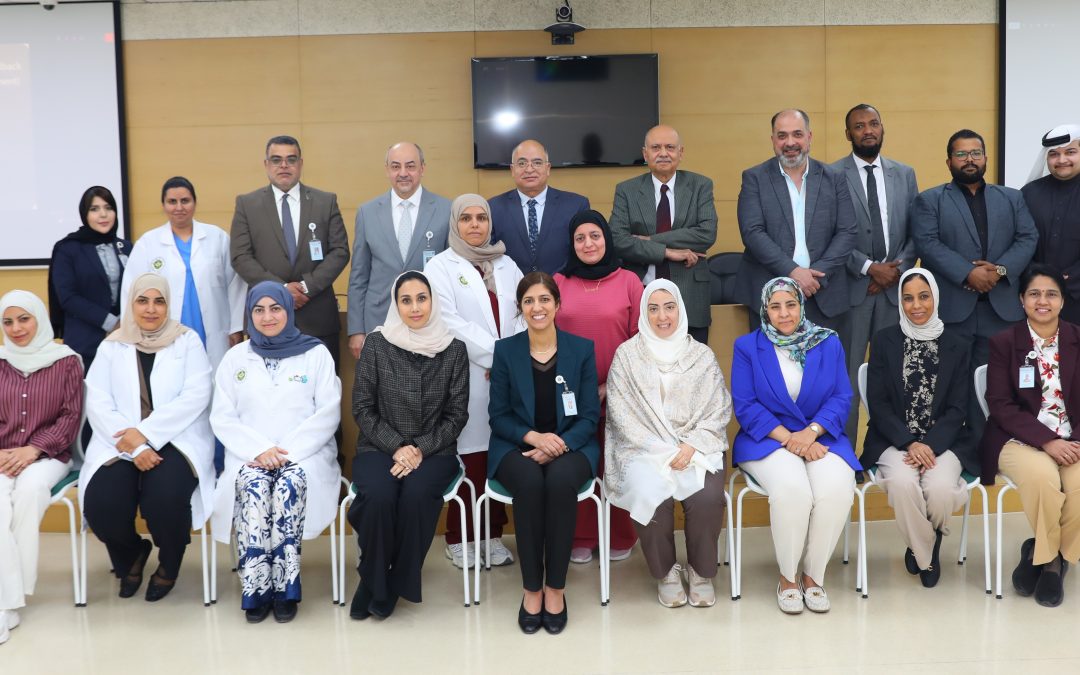
A four-day workshop on “Fundamental Abilities in Medical Education (FAME) Student Assessment,” organized by the Department of Medical Education at the College of Medicine and Health Sciences at Arabian Gulf University, concluded. The workshop was held as part of the Fundamental Abilities in Medical Education (FAME) program for academic staff and external health agencies and institutions in the Kingdom of Bahrain.
During the workshop’s opening, Dr. Mohammed Mustafa Al-Iraqi, Head of the Department of Medical Education, emphasized the program’s importance for developing the academic competencies of all healthcare professionals involved in education, training, or supervision, explaining that the workshop aims to enhance their skills in assessing learners, thereby improving the quality of medical and professional education.
The workshop featured interactive sessions that included introductions and an explanation of the scientific rationale for the module, followed by a discussion of the principles, types, and purposes of assessment in medical education, along with a presentation of an updated analytical reading of Miller’s competency assessment pyramid. This was followed by a practical activity to prepare an assessment plan, present the results, and compile the insights gained.
In the second session, the discussion centered on the fundamental criteria governing exam quality, as well as methods for assessing cognitive abilities using various types of multiple-choice questions, extended-response and matching questions, and scenario-based tests, followed by a practical activity to develop these assessment tools and submit detailed reports on them.
In the third session, participants focused on presenting recent trends in assessment and assessment methods in simulation environments such as OSCE and ESPE, followed by the preparation of a model OSCE station, the challenges and lessons learned from which were subsequently discussed. The workshop concluded with a session dedicated to performance evaluation in the workplace, analysis of exam items, and review of results reports, followed by a closing activity during which the course report was prepared and its outcomes were formally presented and discussed.
Participants in the training included Dr. Mohammed Mustafa Al-Iraqi, Head of the Department of Medical Education; Prof. Dr. Hani Salem Atwa from the Department of Medical Education; Dr. Arshana Prabhu Kumar, Associate Professor in the Department of Medical Education; and Dr. Reem Jassim Al-Ansari, Assistant Professor in the Department of Medical Education and Head of theMedical Skills and Simulation Center. The workshop saw remarkable engagement from the participants, who expressed a clear interest in developing or updating their personal and professional skills. They exchanged views on ways to overcome the challenges they might face when applying the approach in medical education, praising the workshop’s rich scientific and practical content.
by ashokaib | Apr 13, 2026 | Uncategorized
The Innovation Management Program at the College of Education, Administrative and Technical Sciences at Arabian Gulf University organized an academic lecture titled “Innovation in Times of Crisis and Adaptation Policies in Higher Education Institutions,” presented by the Head of the Department of Innovation and Technology Management and Professor of Innovation Policy, Prof. Dr. Owda Al-Jayoosi. He highlighted the pivotal role of innovation in enhancing the sustainability of academic institutions and their ability to adapt to rapid global transformations.
Al-Jayoosi began his lecture by reviewing the evolution of the philosophy of higher education, noting the strategic shifts in university business models, which have moved from the traditional framework of the national university to more dynamic models that include the entrepreneurial, digital, and research-oriented universities. He emphasized that these transformations represent a comprehensive redefinition of the university’s role, not only as a source of knowledge but also as a key actor in societal impact and sustainable development.
He addressed the concept of disruptive innovation, explaining how educational institutions can utilize it as a practical framework for effectively responding to crises, while reviewing a range of historical and contemporary models that have marked pivotal turning points, most notably the COVID-19 pandemic, which accelerated the digital transformation of education, alongside the impacts of climate change and the role of artificial intelligence in reshaping educational and research systems.
Al-Jayoosi emphasized that crises are not merely challenges, but rather strategic opportunities that enable universities to develop their institutional capabilities and transition to more flexible and innovative models. He put forward a set of practical recommendations that serve as a roadmap for enhancing the readiness of academic institutions to face crises. These included updating governance systems and streamlining administrative procedures, developing teaching and assessment methods in line with digital transformations, strengthening partnerships with the industrial and community sectors, and launching specialized training programs to enhance the crisis management capabilities of academic and administrative staff.
This lecture is part of a series of events organized by the university’s Innovation Management Program, aimed at fostering a culture of innovation and promoting entrepreneurial thinking, thereby contributing to the competitiveness of higher education institutions in the region and ensuring they meet future demands.
by ashokaib | Apr 12, 2026 | Uncategorized
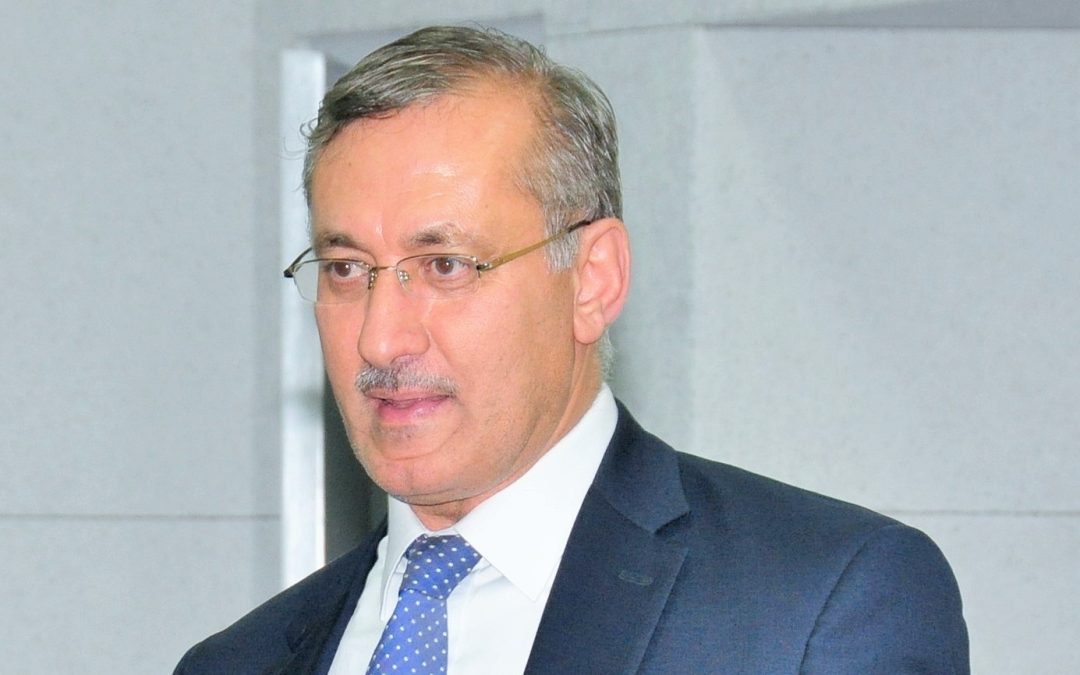
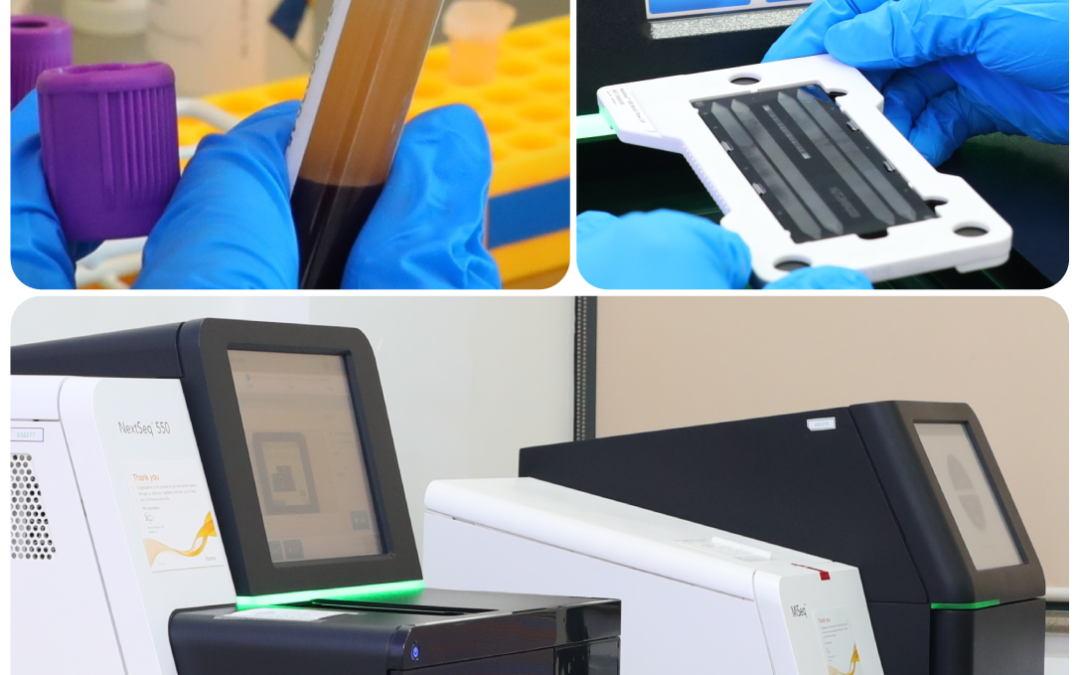
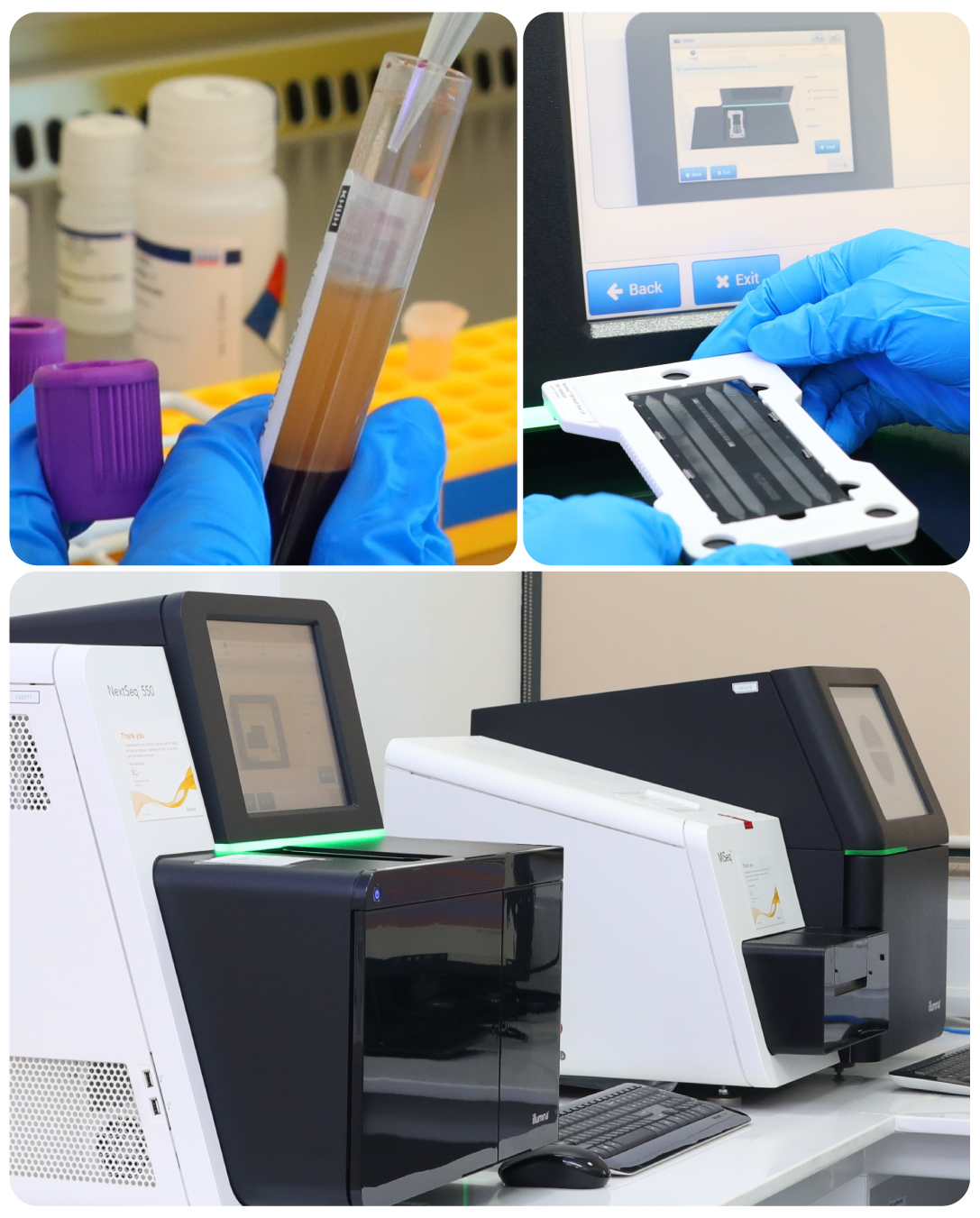
The Molecular Genetics Laboratory at the Princess Al-Jawhara Al-Ibrahim Center for Molecular Medicine, Genetics, and Genetic Diseases at Arabian Gulf University has launched comprehensive genomic testing as a medical service that represents one of the latest diagnostic solutions in the field of genetic medicine, which provides a comprehensive and accurate analysis of genetic material in a single test, which helps accelerate the process of reaching an accurate diagnosis and improves the quality of healthcare.
Dr. Amani Aweidah, Director of the Princess Al-Jawhara Al-Ibrahim Center for Molecular Medicine, Genetics, and Genetic Diseases, stated that this test is one of the most advanced technologies; as it combines whole-exome sequencing of DNA, whole-genome mitochondrial DNA analysis, along with the detection of copy number variations (CNVs) and large genomic alterations, giving doctors a broader and deeper understanding of the patient’s genetic status compared to conventional tests.
She explained that the test is intended for patients with unexplained growth delays or intellectual disabilities, or those with congenital anomalies, as well as cases suspected of having genetic disorders or rare diseases, and complex clinical cases that have not been accurately diagnosed through conventional testing.
She noted that the test offers flexible options, including Solo testing, Duo testing (with one parent), and Trio testing (with both parents); which enhances the accuracy of the analysis and supports better interpretation of the results. It also helps detect pathogenic genetic variants or those potentially associated with the condition, as well as variants of uncertain significance and clinically significant secondary findings.
She explained that the test helps reduce the need for multiple genetic tests and provides clear, clinically applicable results that meet the highest quality standards, while ensuring confidentiality and adherence to ethical standards. She noted that, despite its advancements, it may not detect all genetic variations, and some cases may require additional techniques; furthermore, some low-frequency mitochondrial variations may not be detected.
For his part, Prof. Dr. Mohammed Maddin, Dean of the College of Medicine and Health Sciences at Arabian Gulf University, explained that the introduction of this technology underscores the importance of collaboration between academic institutions and healthcare centers, and contributes to supporting scientific research, medical education, and the development of national capabilities, in line with the latest advancements in the fields of genetic diagnosis and precision medicine.
In this context, Princess Al-Jawhara Al-Ibrahim Center reaffirms its ongoing commitment to providing the latest diagnostic technologies, supported by specialized medical expertise, thereby contributing to improving the diagnostic and treatment pathway in the region.