by ashokaib | Feb 25, 2026 | Uncategorized
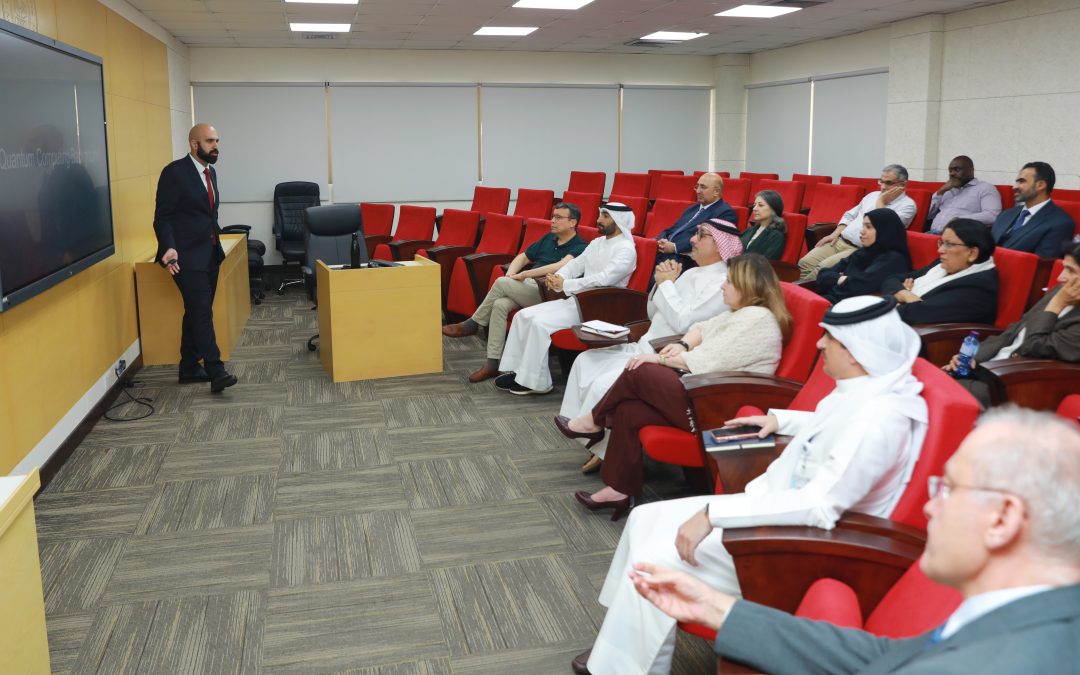
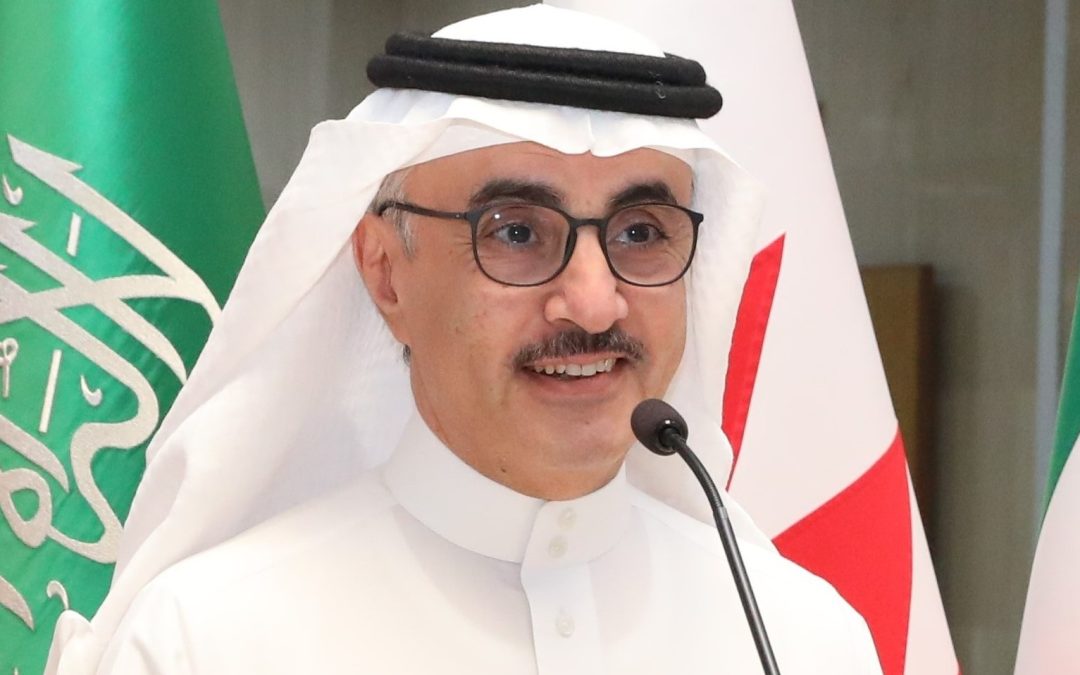
Dr Yousif Al-Nawakhitha, Assistant Professor of Quantum Computing and Cryptography in the Department of Computer Science at the College of Education, Administrative and Technical Sciences, Arabian Gulf University (AGU), delivered a lecture on quantum computing. He reviewed theoretical and practical foundations of this emerging field, highlighting its future impact on cybersecurity and stressing the importance of early preparation for adopting post-quantum encryption standards.
The lecturer addressed the core principles of quantum computing and distinguished it from traditional computing. He elaborated on how quantum properties such as superposition and entanglement can enable unprecedented computational power, with potential to revolutionise fields including big data analytics, artificial intelligence, materials design, and cybersecurity.
He highlighted the potential threats quantum computing poses to current encryption systems and underscored the urgency of transitioning to post-quantum encryption standards to ensure the sustainability of data security in the future. He touched on the possibilities of developing more advanced cybersecurity systems by enabling new types of encryption and innovative verification mechanisms, such as quantum position verification.
Concluding his lecture, he affirmed the importance of interdisciplinary collaboration among academic departments to harness the full potential of quantum computing and to cultivate quantum understanding and intuition among the next generation of students and researchers.
It is noteworthy that Dr Yousif Al-Nawakhitha is among the national talents sponsored by AGU to pursue postgraduate studies at esteemed international institutions. Upon his return, he contributed significantly to enhancing research and educational capabilities in quantum computing within the university, in line with the university’s vision to develop Gulf human capital in specialised fields critical for the future.
He holds a PhD from the University of Maryland, College Park, and has participated in organising numerous international, multidisciplinary seminars in quantum cryptography, post-quantum cryptography, and quantum information mathematics. His research interests include entanglement cost analysis for quantum protocols, designing near-field quantum encryption protocols, and exploring quantum computing applications across various sectors. In the field of education, he is dedicated to supporting Gulf countries' transition to post-quantum security standards and developing curricula that cultivate strong quantum intuition among future generations.
by ashokaib | Feb 24, 2026 | Uncategorized
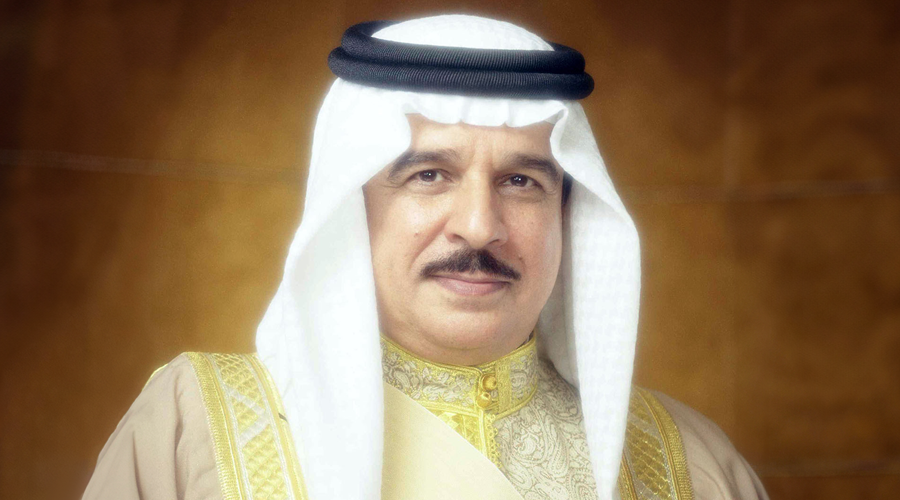
The Chair of His Majesty King Hamad bin Isa Al Khalifa in Digital Education at Arabian Gulf University (AGU) is organising an international scientific symposium titled “Leading Digital Transformation: Strategies for Excellence in Inclusive Education” in partnership with the UNESCO Regional Office for the Gulf States and Yemen. The event will take place from 29-30 April on the university campus in Manama.
The symposium aims to highlight the critical role of digital transformation in advancing the educational system by bringing together educators, teachers, policymakers, industry leaders, as well as regional and international experts to review innovative strategies that promote inclusivity and improve educational outcomes in the digital era.
Professor Waleed Khalil Zubari, Dean of the College of Education, Administrative and Technical Sciences, stated that this event addresses the urgent need for educational leaders equipped to adapt to rapid technological changes. Discussions will focus on empowering teachers and administrators with practical skills and tools essential for effective digital transformation leadership.
Dr Al Ajab Mohammed Al Ajab, Supervisor of the King Hamad Chair for Digital Education and Head of the Department of Education and Curriculum at the university, explained that the symposium will feature distinguished speakers, including His Excellency Dr Abdullah bin Muhammad Al-Walidi, Director of the National eLearning Centre in Saudi Arabia; Dr Anasse Bouhlal from the UNESCO Regional Office for the Gulf States and Yemen; and Prof Dr Erik Wende, Professor Emeritus of Digital Leadership at the University of Zurich.
The main panel discussion will feature esteemed academics and experts from Bahrain, Saudi Arabia, and Kuwait, highlighting the shared Gulf perspective on digital education and the importance of its policies. The event targets school and university teachers and administrators, policymakers, government officials, educational technology specialists, private sector representatives, besides researchers, students, and stakeholders interested in inclusive education.
The symposium aims to achieve several strategic objectives, notably enhancing digital leadership competencies among educators, supporting inclusive practices that address diverse learner needs, showcasing successful digital initiatives and emerging educational technologies, besides building partnerships and collaborative networks between educational institutions and industry sectors.
This event presents an opportunity for knowledge exchange and collaboration, contributing to the development of a more inclusive and efficient educational landscape in the region. Organisers anticipate practical outcomes such as strengthening digital leadership skills, developing innovative engagement strategies for all learners, raising awareness of best practices in digital inclusion, and establishing frameworks to support digital transformation initiatives across educational institutions.
by ashokaib | Feb 23, 2026 | Uncategorized
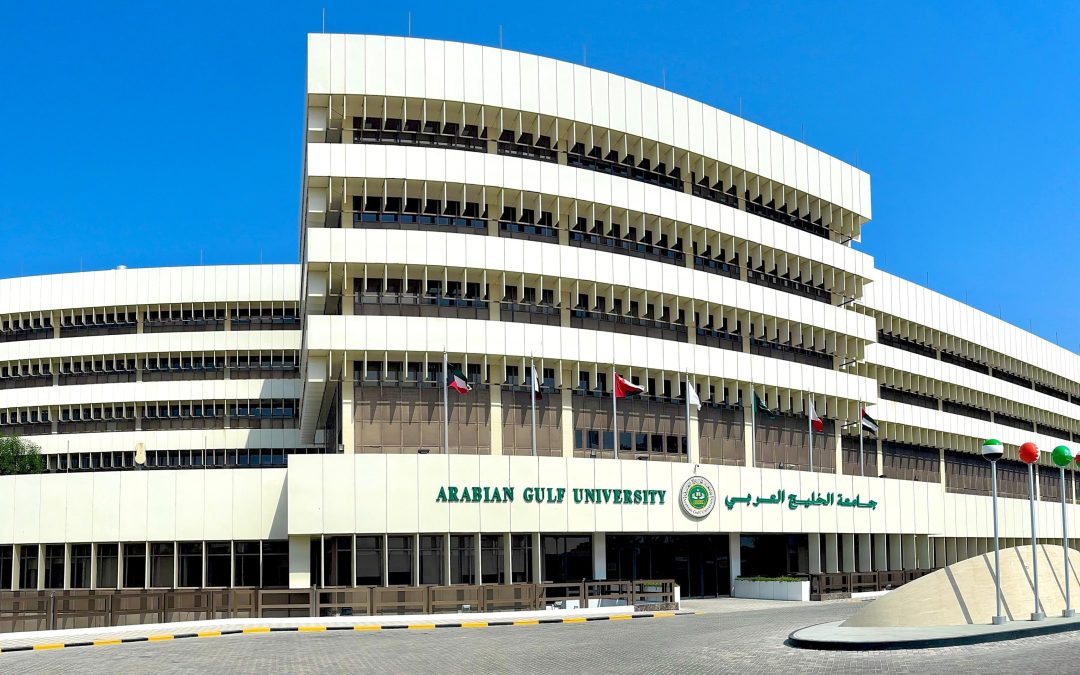
The Arabian Gulf University (AGU) is preparing to launch a specialised scientific conference focusing on artificial intelligence (AI) applications in the healthcare sector. The event will take place from 7-9 May at the Crowne Plaza Hotel in Manama. It will bring together leading experts and academics from the region and around the world to explore the latest innovations and practical uses of AI across various medical fields, from cardiology and diabetes to medical education and genomics.
The opening session will highlight “AI and Cardiovascular Disease Risk Prevention,” featuring discussion on predicting hypertension using home monitoring technologies and wearable devices, as well as employing smart electrocardiography (ECG) for early detection of cardiac arrhythmias. An international expert from the United States will deliver a keynote lecture on developing AI-enhanced healthcare systems.
The second session will examine AI’s role in diabetes and obesity management through continuous glucose monitoring, personalised medication, and digital support tools aimed at improving treatment adherence and healthy lifestyles. The third session will focus on integrating AI into diagnostic radiology, including automated chest imaging and advanced abdominal and musculoskeletal imaging techniques. Other sessions will explore AI applications in emergency and intensive care units, such as intelligent patient triage, early detection of clinical deterioration, and personalised antibiotic therapy.
A session will be held on the ethical, regulatory, and patient privacy aspects of AI, stressing the safe and responsible use of AI at points of healthcare delivery. On the second day of the conference, discussions will centre on empowering nursing and medical education, as well as advances in precision medicine, reviewing applications of remote monitoring, clinical decision support systems, and the integration of modern technologies into nursing curricula to develop digitally proficient healthcare professionals. A student session will also be held, focusing on AI in medical education, touching on intelligent simulations, the preparation of physicians and nurses for the future of digitally enabled healthcare, and issues of ethics, bias, and professional responsibility.
Speakers will discuss AI applications in genomics and bioinformatics, covering topics such as biomarker discovery using multi-data technologies, accelerating drug discovery, and predicting drug response through pharmacogenomics. The closing sessions will address AI applications in primary care, telemedicine, and virtual care, and its role in expanding access to healthcare services and managing chronic diseases beyond traditional healthcare facilities.
The conference will conclude with a series of practical workshops, including ECG interpretation with AI, its usage in clinical research design and real-world data analysis, and a general workshop on AI applications in healthcare. The conference reflects the growing integration of AI across healthcare systems, underscoring the importance of combining technology with human expertise and strengthening ethical and regulatory frameworks to ensure more accurate, efficient, and sustainable healthcare.
by ashokaib | Feb 23, 2026 | Uncategorized
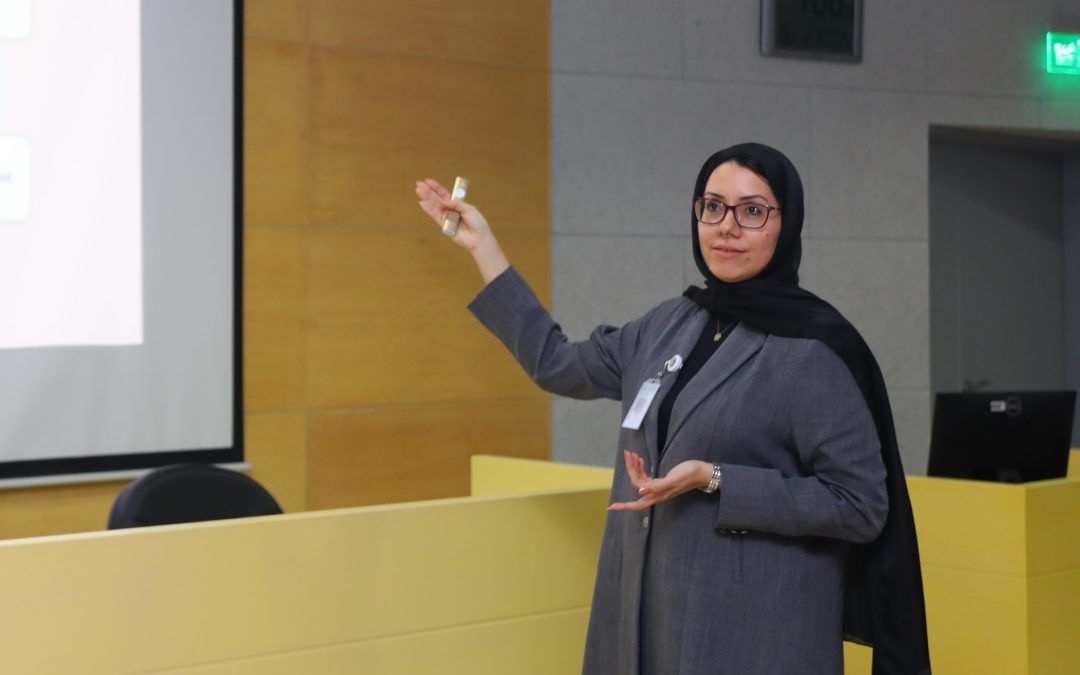
The Deanship of Student Affairs at the Arabian Gulf University (AGU) organised a workshop entitled “Self-Care Planning: Enhance Your Wellbeing and Professional Performance”, as part of the University’s efforts to empower academic and administrative staff to adopt effective self-care practices that positively support their mental wellbeing and academic and professional performance.
The workshop, delivered by Ms Masooma Al Ali, Head of the Counselling and Student Care Unit at the Deanship of Student Affairs, aimed to introduce indicators of burnout, explore the relationship between self-care and professional effectiveness, and develop a comprehensive personal plan using the “Wheel of Life” tool. It also addressed key barriers that limit commitment to a sustainable self-care lifestyle.
Ms Al Ali emphasised that this initiative forms part of the Deanship’s ongoing efforts to support mental health across the University and foster a balanced professional environment. She stated: “Self-care in the workplace is no longer a luxury but a strategic necessity to ensure professional sustainability and quality performance. Employees who are aware of how to manage stress and prevent burnout are better able to focus, make decisions and innovate.”
“Moreover, institutions that encourage a culture of self-care enhance employee satisfaction and sense of belonging, while achieving higher productivity and greater job stability,” She added, affirming that investing in individual wellbeing is, at its core, an investment in institutional success.
by ashokaib | Feb 22, 2026 | Uncategorized
His Excellency Dr Saad bin Saud Al Fuhaid, President of the Arabian Gulf University (AGU), extended his highest congratulations to the Custodian of the Two Holy Mosques, King Salman bin Abdulaziz Al Saud, and to His Royal Highness Prince Mohammed bin Salman bin Abdulaziz Al Saud, Crown Prince and Prime Minister, on the occasion of the anniversary of the Founding Day of the Kingdom of Saudi Arabia.
His Excellency affirmed that this day represents a renewed national milestone to draw inspiration from the Kingdom’s deep historical roots and to recall a well-established journey that began during the era of the late Imam Mohammed bin Saud, laying the foundations of unity, stability and development. He further highlighted that this occasion reflects the major civilisational and developmental achievements realised by the Kingdom, which have strengthened its regional and international presence, reinforced the values of pride in identity and belonging, and become a source of inspiration for future generations to continue the path of development and progress.
Furthermore, Dr Al Fuhaid explained that the Arabian Gulf University takes great pride in the significant support it has received from the Kingdom of Saudi Arabia throughout its academic and scientific journey. He emphasised that this support has been a key driver in enhancing the University’s programmes, initiatives and Gulf standing. He also commended the depth of scientific and research partnerships between the University and academic institutions across the Kingdom of Saudi Arabia, as well as the Kingdom’s pioneering role in supporting higher education, scientific research and community service at both the GCC and Arab levels.
His Excellency also stressed that the Kingdom of Saudi Arabia, with its strategic weight and pioneering development vision, represents today an inspiring model in building a modern state, driving economic transformation, empowering people, and strengthening innovation and knowledge ecosystems. He pointed out that the comprehensive progress achieved by the Kingdom reflects the strength of its national project and demonstrates its continued ability to lead development pathways across the region and create a positive impact that extends to its Gulf and Arab surroundings.
The President concluded his statement by saying: “I pray to Allah the Almighty to continue to bless our beloved Kingdom with security and prosperity, to protect the Custodian of the Two Holy Mosques, King Salman bin Abdulaziz Al Saud, and His Royal Highness Prince Mohammed bin Salman bin Abdulaziz Al Saud, Crown Prince and Prime Minister, and to grant them success in all that serves the nation, elevates its status and advances its progress.”