by ashokaib | Aug 24, 2026 | Uncategorized
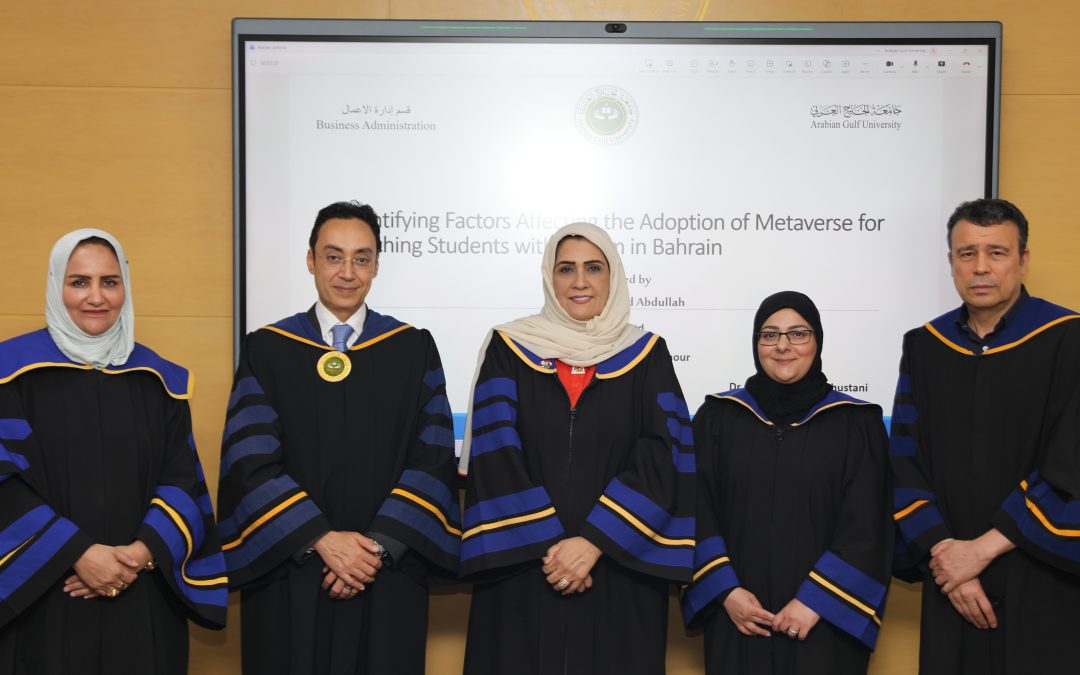
Maryam Ahmed Abdullah, a researcher in the Department of Business Administration at the College of Education, Administrative and Technical Sciences at the Arabian Gulf University, discussed the findings of her master’s thesis titled “Factors Influencing the Adoption of the Metaverse for Teaching Students with Autism Spectrum Disorder in the Kingdom of Bahrain”, reviewing the challenges and opportunities associated with integrating immersive technologies into the special education sector, particularly in the education of students with autism spectrum disorder.
Through this study, the researcher sought to assess the readiness of specialists and teachers to use the metaverse as an innovative educational tool that meets the needs of students with autism spectrum disorder within a safe virtual environment. The results showed that the adoption of the metaverse is not only related to technical aspects but also to the extent to which the virtual environment accommodates students’ sensory sensitivities, improves social interaction, enhances attention, and supports the understanding of facial expressions through virtual characters (avatars).
The study showed that teachers’ behavioral intention to use the metaverse is associated with four main factors: intensive hands-on training; the provision of educational content tailored to students with autism spectrum disorder—preferably in Arabic; institutional support; and parental acceptance.
The researcher recommended adopting a phased strategy for implementing metaverse technology and developing an integrated system that balances technological innovation with the behavioral and sensory needs of students with autism spectrum disorder. She called for providing hands-on training for teachers, the development of educational content in Arabic that is tailored to students’ sensory needs and raising parents’ awareness before expanding the use of the metaverse in special education.
The thesis supervisory committee consisted of Prof. Fairouz Al-Damour, Professor of Management Information Systems; Prof. Adel Bouhoula, Professor of Computer Science; and Dr. Wid Al-Daghustani, Assistant Professor of Special Education. The thesis defense committee included Dr. Walid Abdulaziz, Associate Professor of Business Administration at the University of Bahrain, as the external examiner, and Prof. Dr. Mariam Al-Shirawi from the Arabian Gulf University as the internal examiner.
by ashokaib | Aug 24, 2026 | Uncategorized
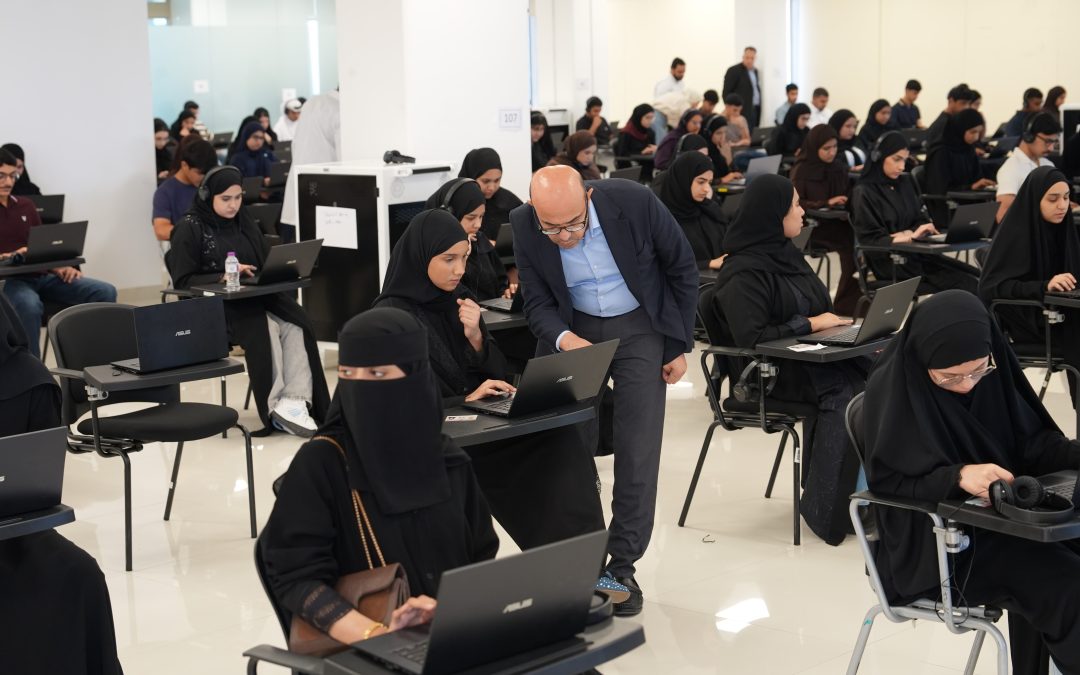
The Arabian Gulf University conducted an English language exam for students from GCC countries applying to the College of Medicine and Health Sciences for the 2026–2027 academic year, as part of the admission and academic assessment procedures for students wishing to enroll in the Doctor of Medicine program, the Bachelor of Science in Nursing program, or the Bachelor of Science in Emergency Medical Services program. The number of applicants who took the exam in the three programs totaled approximately 300 high school graduates from GCC countries who had not submitted an IELTS score of at least 6.0—or its equivalent on the TOEFL—to demonstrate their proficiency in English, out of a total of 650 applicants who met the approved admission requirements.
The exam was conducted in two sessions, allowing applicants to take the test according to their assigned schedule, under academic and administrative arrangements that ensured the smooth conduct of the exam and provided an appropriate environment for the students. The English language exam is part of the selection and admission process for health-related majors at Arabian Gulf University, which is committed to attracting academically qualified students capable of meeting the demands of university-level study in the medical and health fields.
Applicants take the test in accordance with the standards and procedures approved by the university, as a preliminary step toward completing the remaining stages of admission for the new academic year. Proficiency in English is one of the key requirements for success in academic programs that rely primarily on English-language references and scientific sources.
Prof. Dr. Mohamed Madadin, Dean of the College of Medicine and Health Sciences, emphasized that the high number of applicants seeking admission to the medical programs offered by the College of Medicine and Health Sciences this year is a result of the distinguished scientific reputation and prestigious academic standing enjoyed by Arabian Gulf University, as well as its proven track record of excellence in problem-based medical education, medical simulation, scientific research, and service to the Gulf community.
For their part, a number of guardians from the GCC affirmed their confidence in the university and its solid reputation for teaching medical specialties and graduating cohorts of competent doctors from various Gulf countries, noting that their choice of the College of Medicine at Arabian Gulf University stems from the fact that it is a university that embraces a policy of innovation and creativity, and strikes a balance between theoretical study and clinical training, thereby offering a comprehensive educational model that is trusted throughout the GCC.
In the same context, a number of students applying to the College of Medicine emphasized that their choice of Arabian Gulf University stemmed from their confidence in the experiences of previous graduates, who highlighted the flexibility of the university’s academic program, and the excellence of the educational system at the College of Medicine, which follows a problem-solving approach centered on developing students’ skills and abilities throughout their academic years. This is achieved through an integrated system that combines scientific coursework with clinical training to fulfill the noble humanitarian mission of patient care. They expressed their admiration for the university for bringing together students from all GCC countries under a single Gulf framework, in addition to the short distances between them, their similar customs and traditions, and the unique quality of life in the Kingdom of Bahrain.
In a related development, the university is conducting personal interviews with applicants seeking admission to the college’s programs over the course of four days, whether for the Doctor of Medicine program, the Bachelor of Science in Nursing program, or the bachelor’s program in Emergency Medical Services. Admissions committees conducted interviews with students to assess their abilities and skills, evaluate how well their personalities align with the requirements of studying medicine, nursing, and emergency medical services, and assess their understanding of the nature of the profession and the challenges faced by those working in the medical field.
The university is continuing its preparations to complete the admission and evaluation procedures for applicants throughout this week, reflecting its commitment to selecting talented students capable of pursuing careers in medical and health education and contributing in the future to strengthening the health sector with qualified professionals.
by ashokaib | Aug 23, 2026 | Uncategorized
The Arabian Gulf University (AGU) has wrapped up its five-day medical summer camp, "Medical Student Experience," featuring 60 high school students from the Kingdom of Bahrain, the Kingdom of Saudi Arabia, and the State of Kuwait. The immersive educational program was designed to familiarize students with university life and medical disciplines through hands-on academic and practical experiences that simulate the realities of medical school.
The camp aligns with AGU’s commitment to providing prospective university students with early exposure to higher education, helping them evaluate their interests and aptitudes while gaining firsthand insight into medical studies to make informed decisions about their academic and professional futures.
Speaking at the closing ceremony, Prof Mohammed Madadin, Dean of the College of Medicine and Health Sciences, emphasized that the camp extended far beyond a standard summer program. He noted that it offered high schoolers a genuine look into the daily life of a medical student, laying a foundation for clearer career choices.
Prof. Madadin explained that the curriculum transcended basic medical orientation by instilling key soft skills, including communication, teamwork, analytical thinking, public speaking, and personal accountability. He highlighted that the objective was not to push students toward medicine, but rather to empower them to discover their true passions and choose the path best suited for them.
Furthermore, Prof. Madadin pointed out that the camp served as a leadership platform for current AGU medical students, who assumed organizational, mentorship, and group-leading roles. Accompanying participants throughout the week helped cultivate their leadership abilities and sense of responsibility, preparing them for future roles as physician-leaders.
He added that the camp’s strength lay in combining academic instruction, practical application, campus integration, and soft-skills development. Supported by faculty members utilizing the university’s advanced facilities, the initiative transcended the typical "summer camp" model to become a space for self-discovery and future planning.
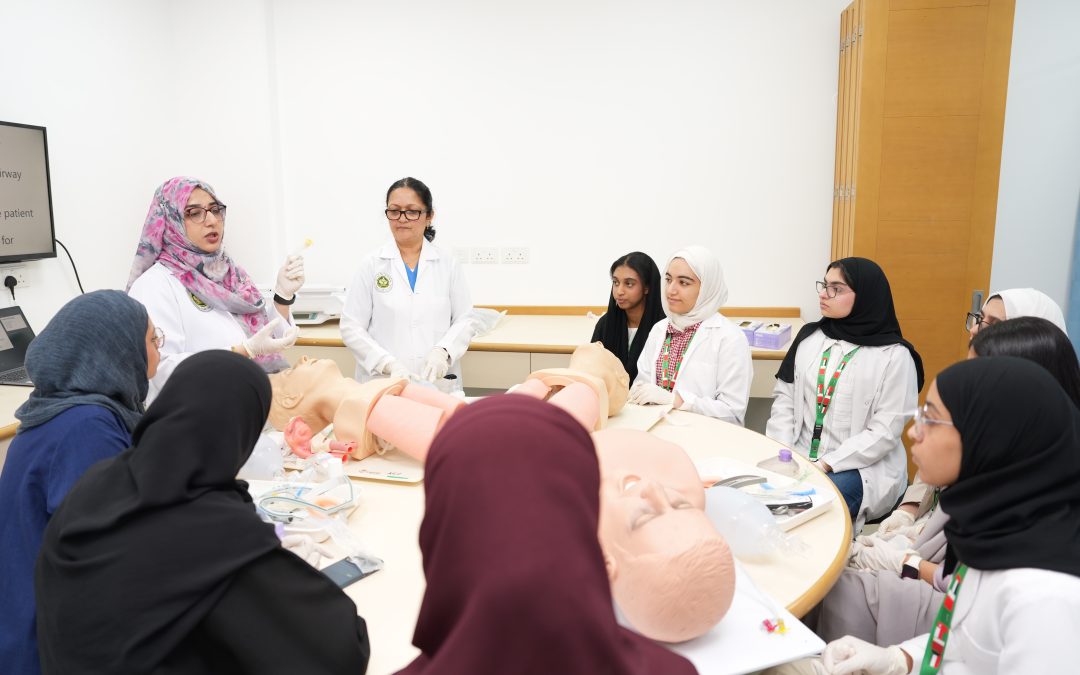
The itinerary featured lectures and orientation sessions on admission requirements and medical school curricula, alongside practical exercises in laboratories and clinical skill centers. Participants also toured university facilities and the university hospital, gaining direct exposure to clinical environments and the core competencies required for medical training.
The closing ceremony featured a video presentation documenting the participants' journey across various educational and practical modules. Student representatives—Mubarak Al-Safran, Nayla Al-Subaie, and Hala Arif—shared reflections on their experiences and the valuable insights gained regarding academic life and the healthcare field. The event concluded with the recognition of participating faculty members, organizers, and students, followed by a commemorative photo session.
The "Medical Student Experience" reflects AGU’s continued dedication to delivering holistic educational programs that combine knowledge, application, and academic guidance. Building on more than four decades of leadership in medical education, AGU continues to prepare qualified healthcare professionals capable of serving their communities and driving sustainable impact across the GCC and the wider region.
by ashokaib | Aug 20, 2026 | Uncategorized
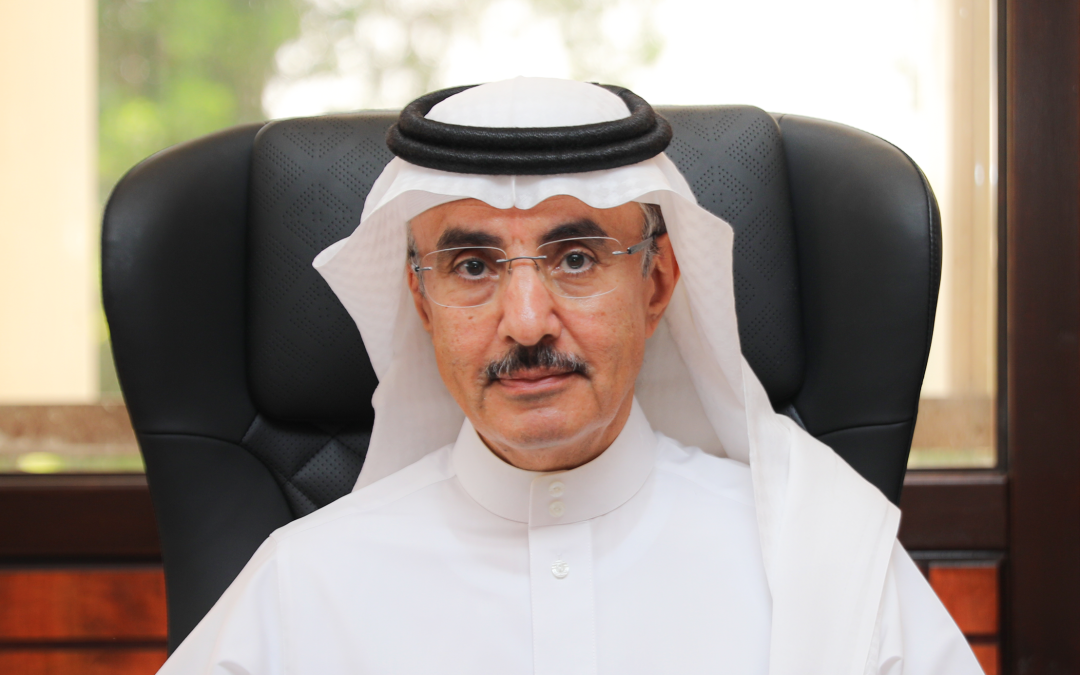
Dr. Saad bin Saud Al- Fahaid, President of Arabian Gulf University (AGU), affirmed that celebrating the 25th anniversary of the founding of the Supreme Council for Women (SCW) in the Kingdom of Bahrain marks an exceptional occasion to commemorate a journey rich in achievements and gains realized by Bahraini women across various fields, while reinforcing their pivotal role in the comprehensive reform and development process witnessed by the Kingdom.
"The Silver Jubilee of the Supreme Council for Women embodies a quarter-century of institutional work that has solidified the status of Bahraini women and enhanced their presence across diverse sectors," the AGU President stated. "It confirms that women's empowerment was—and remains—an integral part of the reform project led by His Majesty King Hamad bin Isa Al Khalifa, the King of the Kingdom of Bahrain, may God protect him."
Dr. Al- Fahaid commended the contributions of Her Royal Highness Princess Sabeeka bint Ibrahim Al Khalifa, Consort of His Majesty the King and President of the Supreme Council for Women, in establishing an integrated national vision that turned women’s empowerment into a sustainable institutional path centered on family stability, economic participation, decision-making, and quality of life. He noted that Bahraini women have become a role model for women across the Gulf Cooperation Council (GCC) nations.
"We are particularly proud of what Bahraini women have accomplished in the education and higher education sectors, as one of the most critical fields that contributed to building their capabilities and expanding their national participation," he added. "Today, Bahraini women maintain a strong presence in universities, educational institutions, and scientific research centers as professors, researchers, and academic leaders—contributing to educating future generations, advancing knowledge creation, and serving the community." He further praised women’s growing presence in science, technology, and innovation, stressing that the coming phase requires broadening their involvement in future-oriented sectors and investing in education, skills, and knowledge to align with the Kingdom’s vision for an innovation- and knowledge-based economy.
"Throughout this journey, Bahraini women have proven that their success is inseparable from the success of their families, communities, and nation," Dr. Al-Fehaid continued. "Hence, the focus on family stability and quality of life serves as two fundamental pillars for genuine, sustainable empowerment, alongside boosting economic participation and access to leadership positions."
He concluded by emphasizing that universities bear a core responsibility to support this trajectory by empowering female students, researchers, and academics, while providing an educational and research environment that fosters equal opportunities, encourages innovation, and prepares Bahraini women to maintain their influential presence in positions of responsibility. "Investing in women is an investment in the family, society, and the nation," he affirmed, noting that Bahrain’s sustainable development journey can only be completed through the equal participation of both its sons and daughters.
by ashokaib | Aug 18, 2026 | Uncategorized
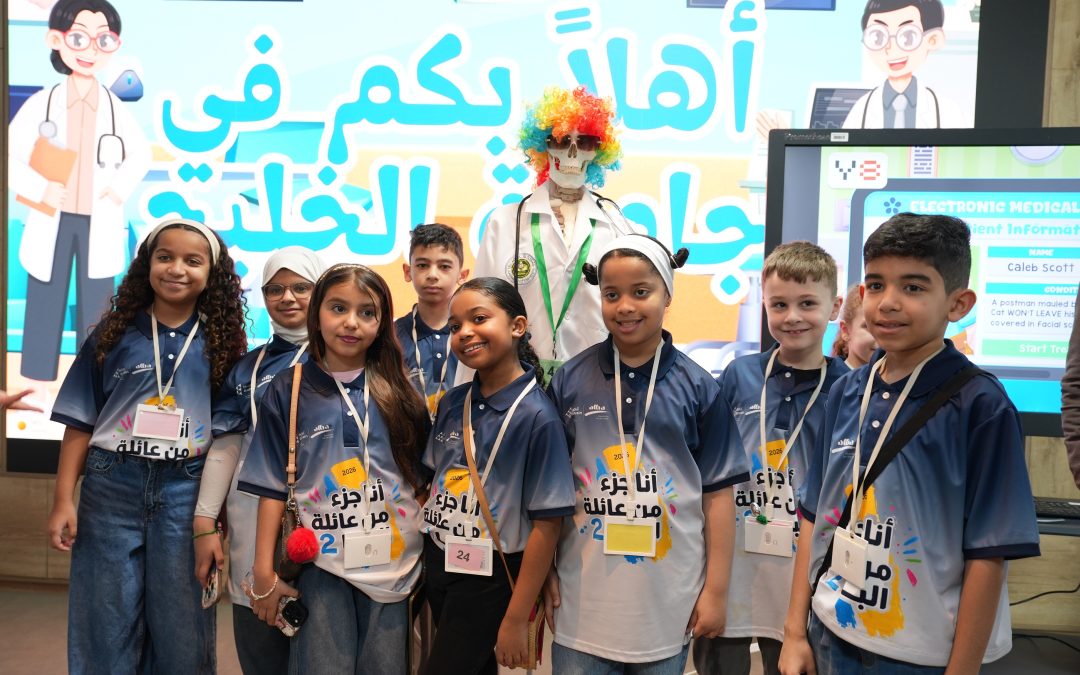
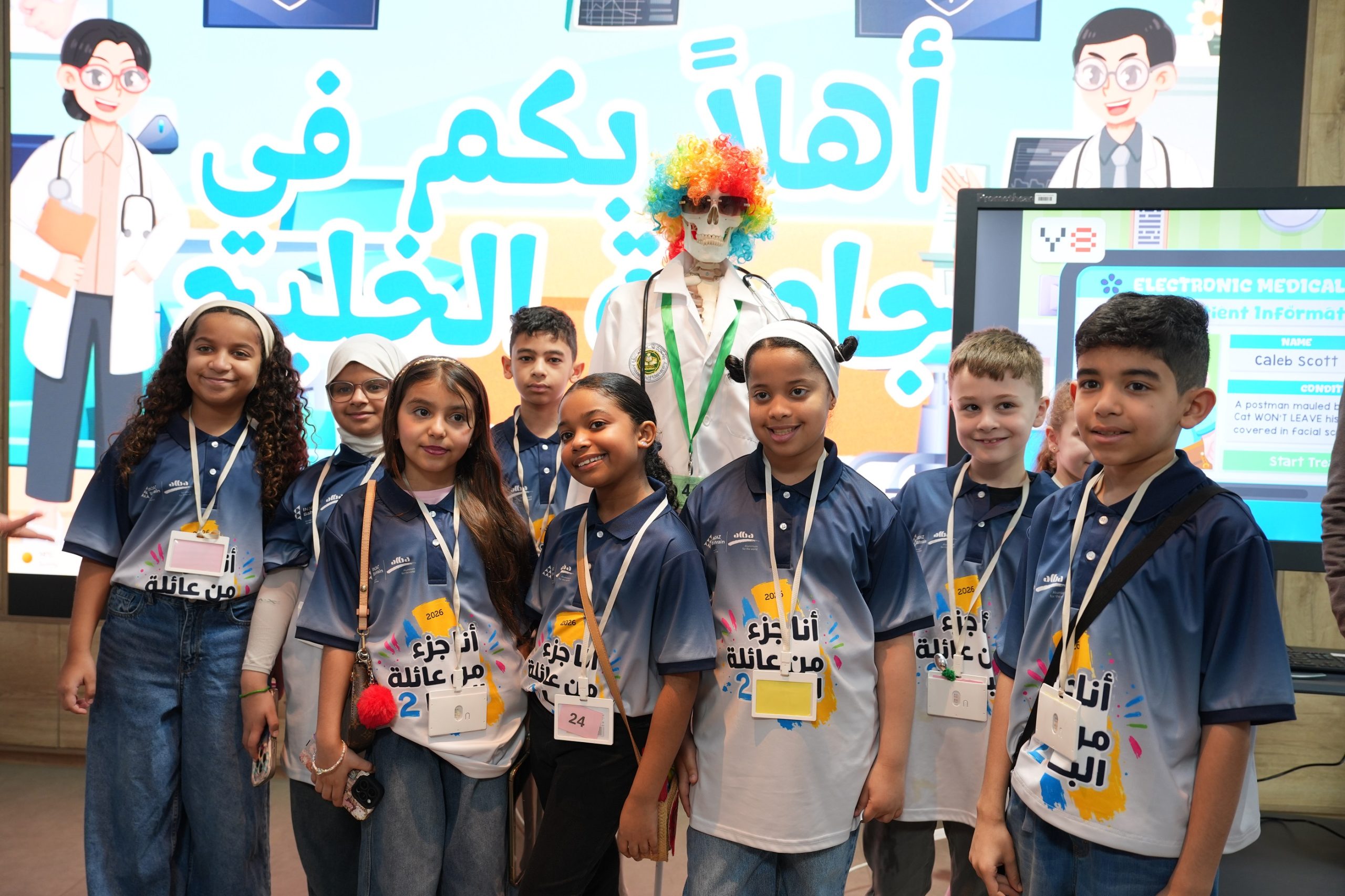
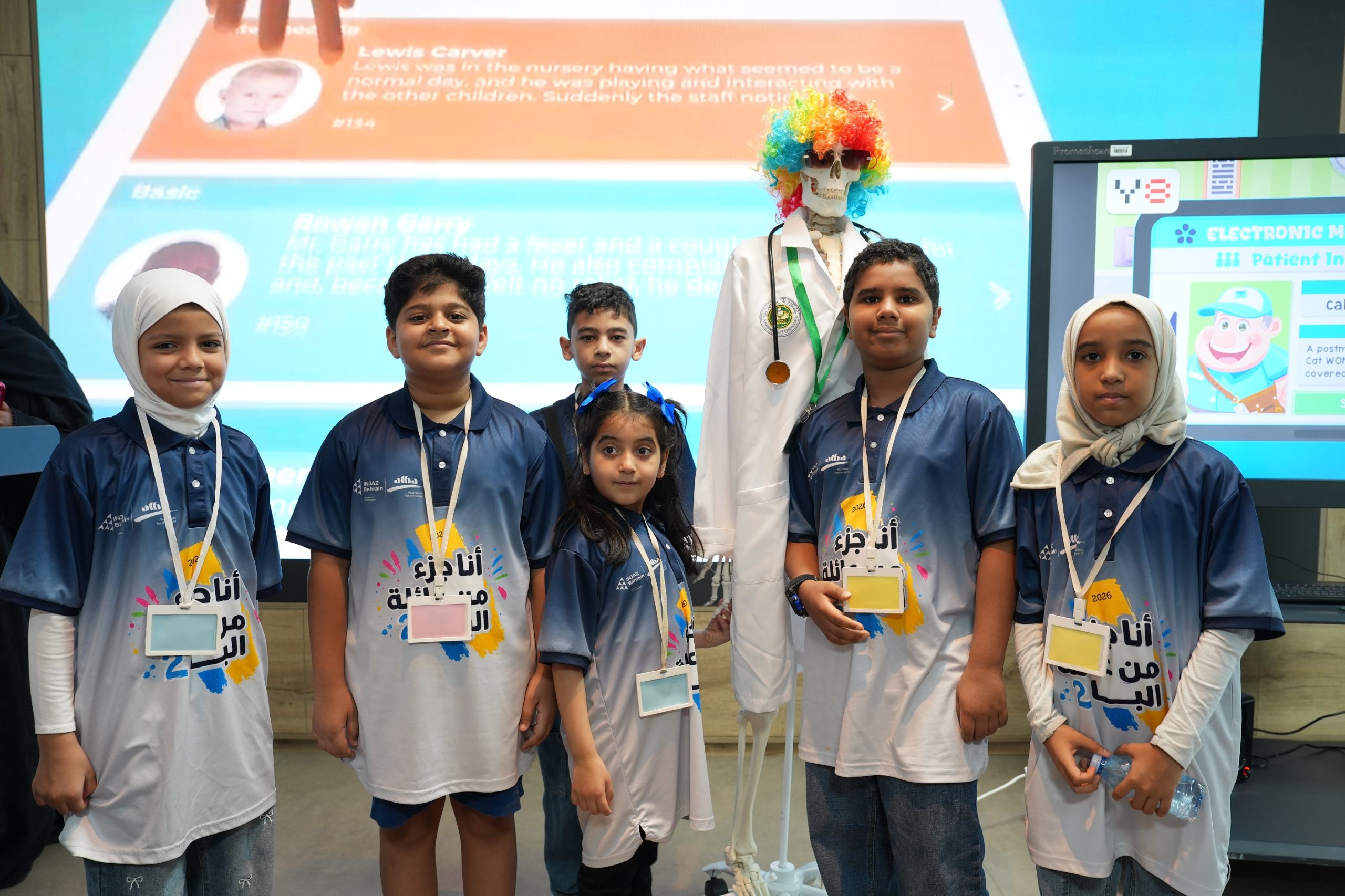
Students participating in the annual summer camp organized by Aluminium Bahrain (Alba) for the children of its employees, in collaboration with INJAZ Bahrain, explored the educational experience at Arabian Gulf University (AGU), gaining insight into its academic programs and innovative degree offerings at the bachelor’s, master’s, and doctoral levels. The visit, held on Monday morning, was designed to broaden the students’ knowledge and develop their skills through engaging, interactive educational experiences. During their visit, the students also met with AGU President H.E. Dr. Saad bin Saud Al Al Fahaid and took commemorative photographs with him.
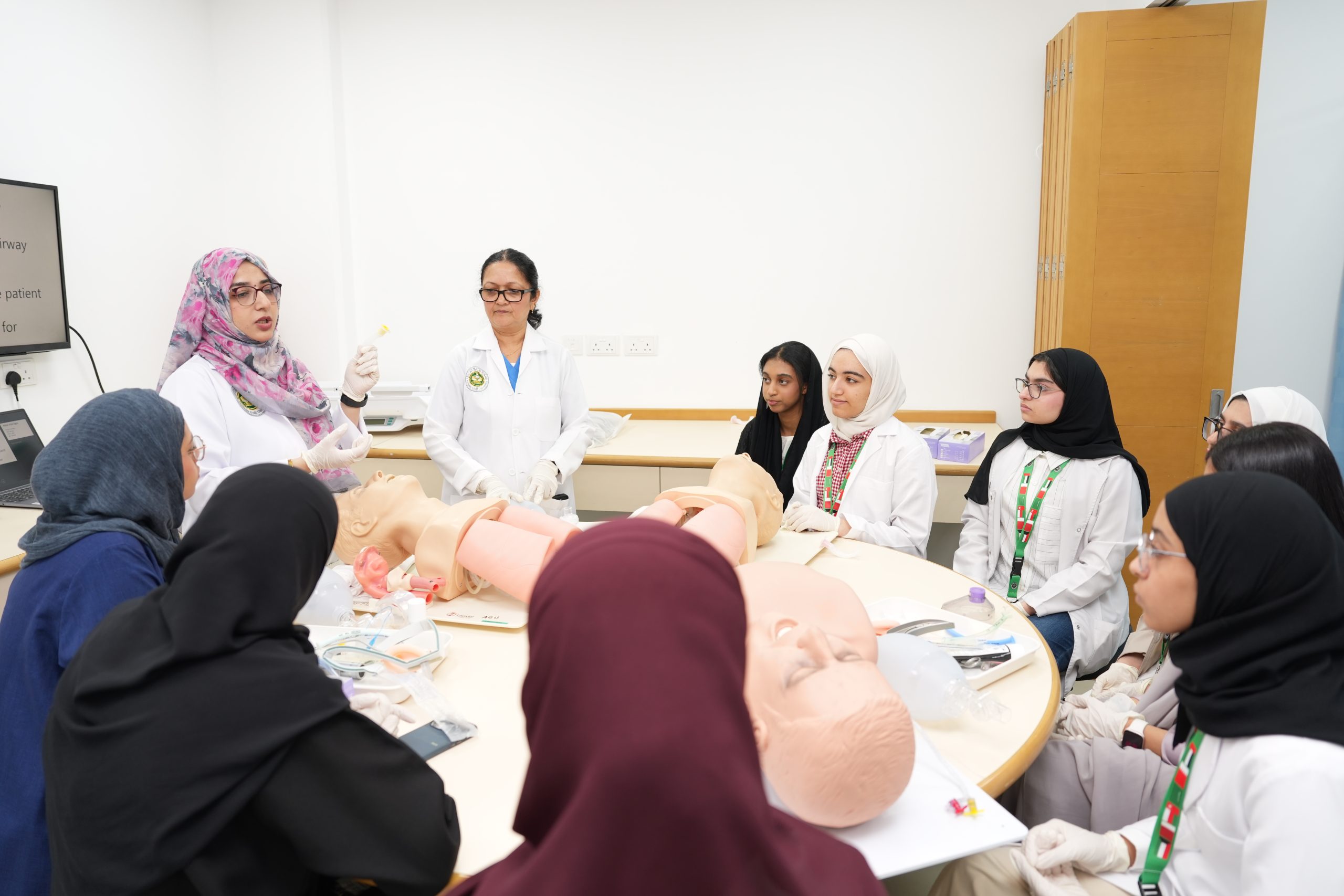
The visit began with a welcome reception and an introduction to the University’s facilities, laboratories, and educational centers. The students then took part in an interactive experience at the Medical Skills and Simulation Center, where they learned about its role in advancing health education and training through the use of state-of-the-art medical simulation technologies. The Center provides a safe and integrated training environment that replicates real-world clinical settings, enabling students and trainees to acquire practical skills and apply them through scenarios that closely mirror actual medical situations.
The students also attended a presentation delivered by Dr. Wadeea Fatmi, Medical Simulation Trainer, who highlighted the Center’s role as a specialized educational facility supporting and advancing medical education and training. She explained how the Center provides an advanced clinical simulation environment that enables students and healthcare professionals to develop their practical and clinical skills in a safe and structured learning setting.
Following a short animated video introducing the concept of simulation, Dr. Fatmi explained that the Center utilizes medical simulation technologies and interactive training scenarios to enhance professional competence and develop decision-making, clinical reasoning, teamwork, and communication skills. These approaches contribute to strengthening the readiness of healthcare professionals and improving the quality of healthcare delivery. The experience also gave the students an opportunity to gain first-hand insight into the importance of simulation in medical education and its role in translating theoretical knowledge into practical, applicable skills.
Following the presentation, the students were divided into five groups and taken to a number of simulation rooms, where they were introduced to a range of medical devices and equipment and received hands-on guidance on their basic use. The interactive experience was designed to enrich their knowledge and give them a closer understanding of the healthcare professional environment.
The visit formed part of a series of activities and programs offered through the Alba x INJAZ Bahrain Summer Camp to equip participants with essential leadership and communication skills, help them explore their academic interests and future career aspirations, strengthen their personal and leadership capabilities, and connect them with inspiring educational and professional environments. Such experiences contribute to preparing a generation capable of adapting to the demands of the future and playing an active role in the Kingdom’s national development journey.
Hosting the visit reflects Arabian Gulf University’s commitment to strengthening its role in serving the community and leveraging its academic and educational expertise to support inspiring community initiatives that invest in the potential of young people and open new horizons for learning and discovery. It also underscores the University’s commitment to its social responsibility and to building meaningful partnerships with national institutions, while contributing to initiatives that promote knowledge, innovation, and skills development. Through these efforts, AGU continues to expand its educational and humanitarian impact and support the development of a generation that is informed, capable, and empowered to contribute to a more innovative and sustainable future.