by ashokaib | Aug 17, 2026 | Uncategorized
The International Conference on Artificial Intelligence in Medicine, organized by Arabian Gulf University in Manama from November 5 to 7, will explore advanced applications of artificial intelligence (AI) in preventing and predicting cardiovascular disease, supporting the care of patients with diabetes and obesity through continuous monitoring and personalized treatment, and advancing medical imaging technologies to improve diagnostic accuracy.
The conference will bring together leading experts, academics and specialists from the region and around the world to examine the latest innovations and practical applications of intelligent technologies across a wide range of medical fields. Sessions will address the use of AI in emergency departments and intensive care units, intelligent patient triage, early detection of critical conditions, and the personalization of treatment plans, helping accelerate medical response and enhance the quality of healthcare delivery.
Discussions will also address the ethical and regulatory considerations surrounding the use of AI in the healthcare sector, with a particular focus on protecting patient privacy and ensuring the safe, responsible and ethical deployment of emerging technologies.
The conference will further explore the role of AI in advancing nursing, medical education and precision medicine through clinical decision-support systems, remote monitoring applications, and the development of a digitally skilled healthcare workforce capable of keeping pace with the rapid technological transformation. A dedicated session for medical students will also highlight applications of AI in medical education.
The conference will additionally examine genomics and bioinformatics, including biomarker discovery, accelerated drug development and the prediction of treatment responses. Other topics will include strengthening primary and virtual healthcare services and improving the management of chronic diseases beyond the traditional boundaries of healthcare facilities.
The conference will conclude with hands-on workshops focusing on the use of AI to interpret electrocardiograms (ECGs), design clinical research studies and analyze health data. These practical sessions reflect the growing momentum behind the integration of intelligent technologies into healthcare systems, while emphasizing the importance of combining technological innovation with human expertise.
The conference comes amid a rapidly accelerating shift toward integrating AI technologies into healthcare systems. By addressing advanced solutions across key areas—including cardiovascular disease, diabetes, medical education and genomics—the event aims to contribute to improving the quality, efficiency and effectiveness of healthcare services.
The organization of the conference reflects the international and pioneering role played by the Arabian Gulf University as a scientific platform that brings together experts, academics, and specialists from across the region and around the world to discuss the rapid transformations taking place in vital fields related to the future of humanity and quality of life. Through such events, the university provides a forum for the exchange of knowledge and expertise and for showcasing the latest trends and innovations in medicine, healthcare, artificial intelligence, genomics, and bioinformatics, as well as medical education and scientific research. These efforts foster multidisciplinary scientific dialogue and support the development of knowledge- and research-based partnerships capable of translating innovation into practical solutions that contribute to advancing healthcare systems and addressing future challenges.
by ashokaib | Aug 17, 2026 | Uncategorized
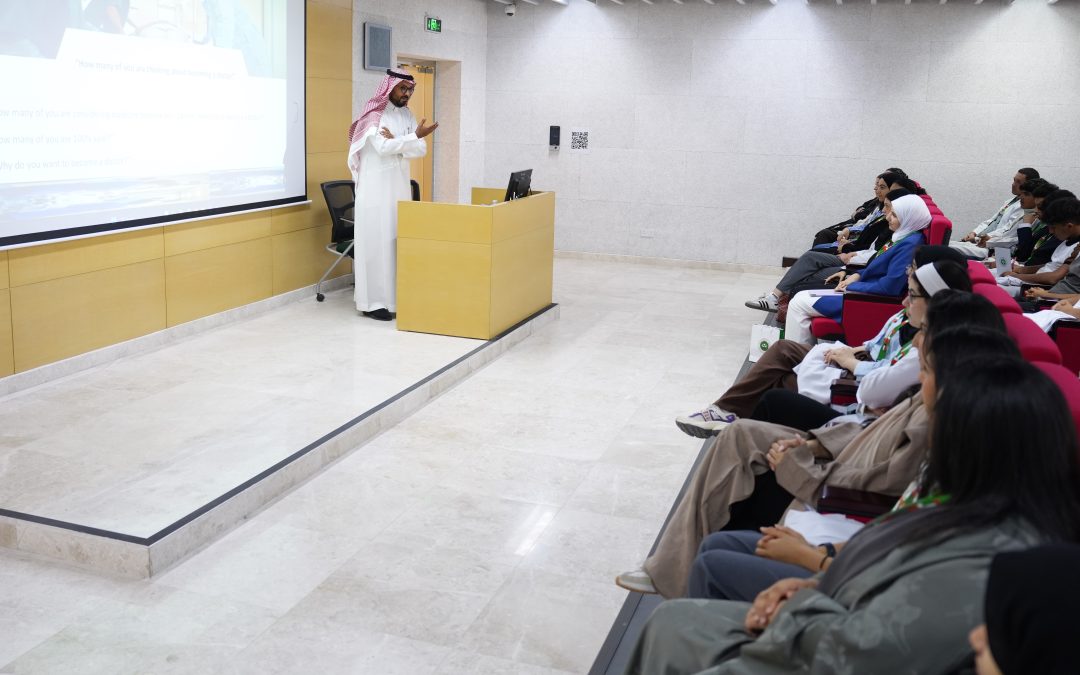
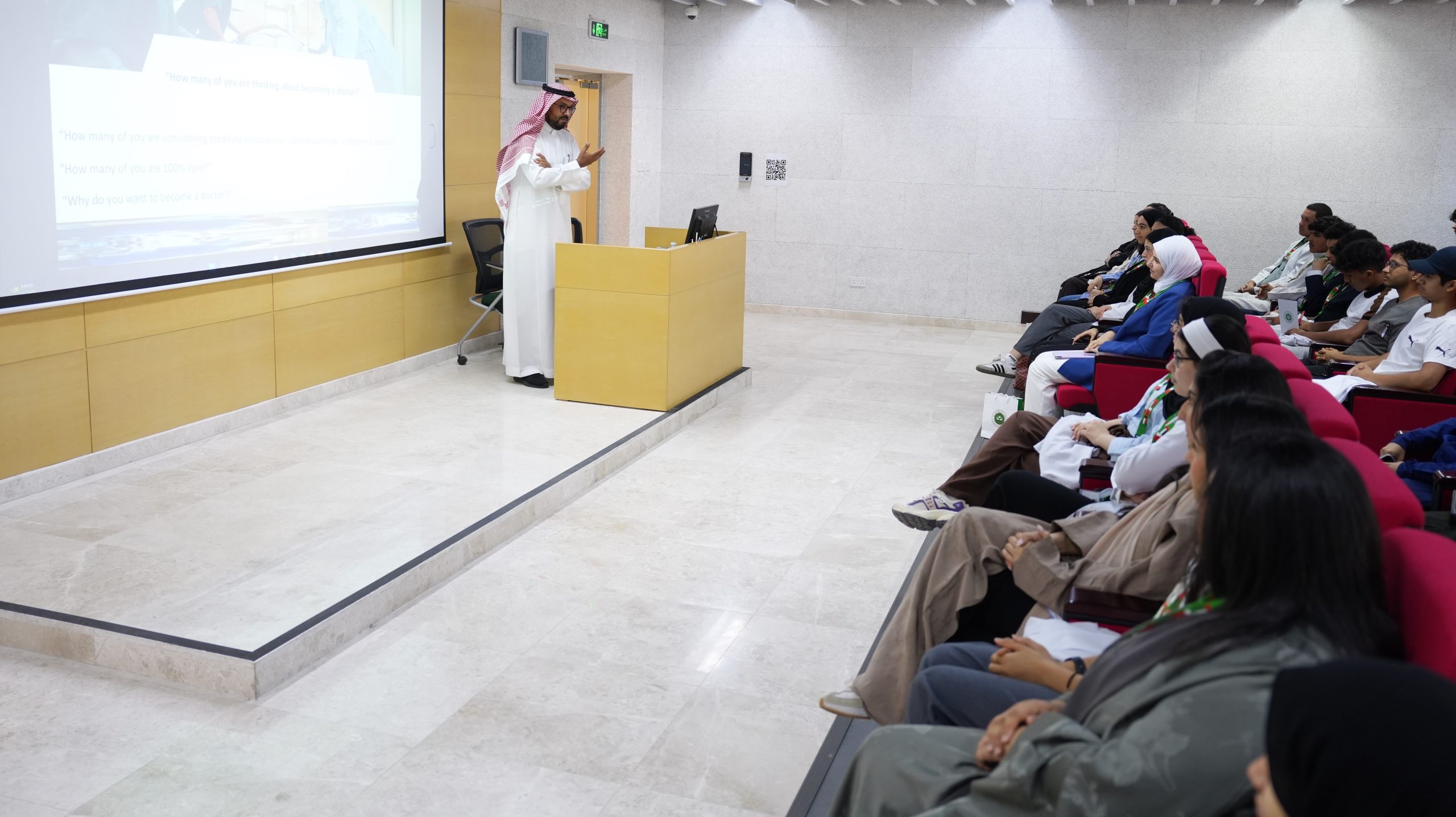
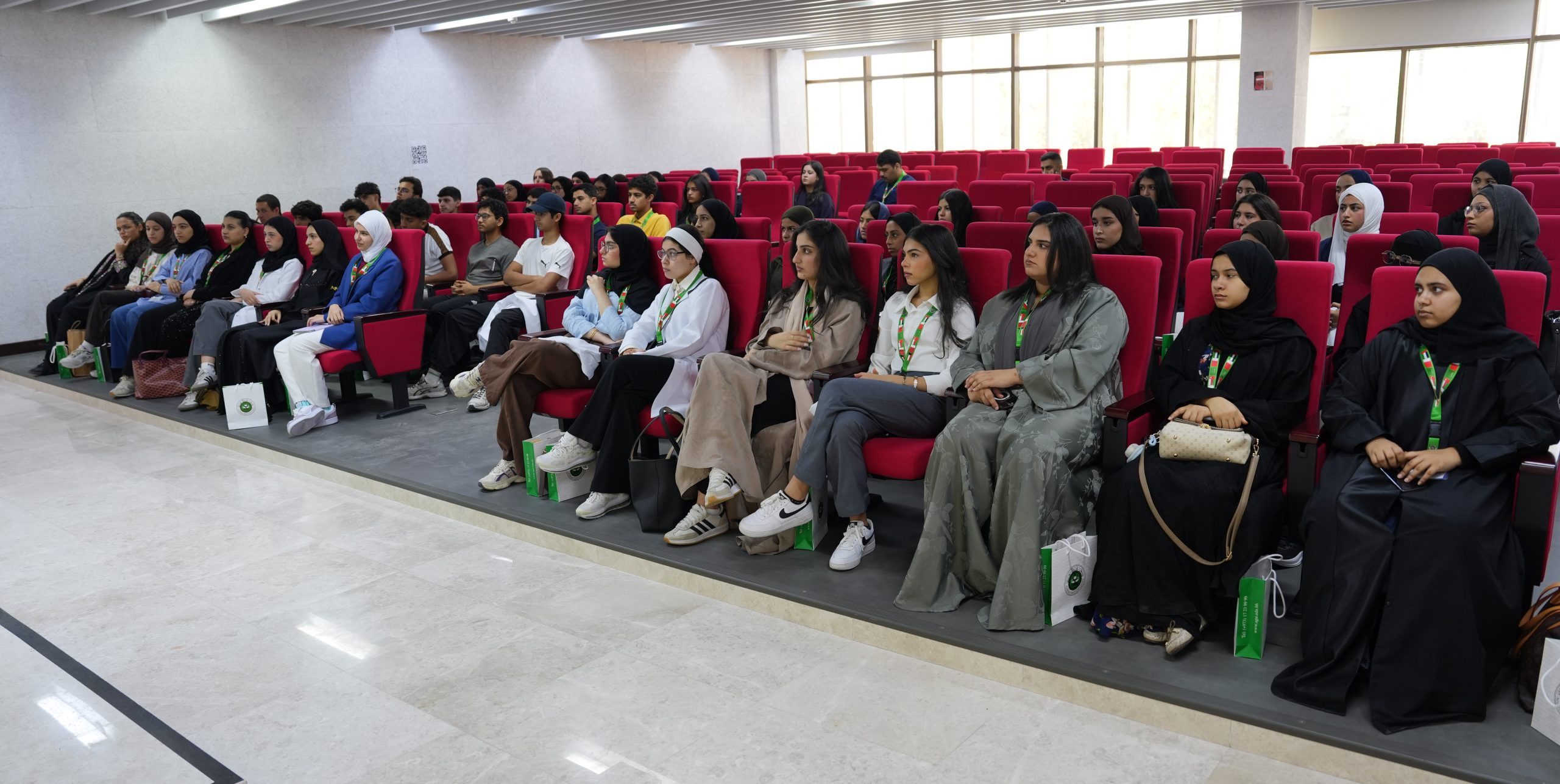
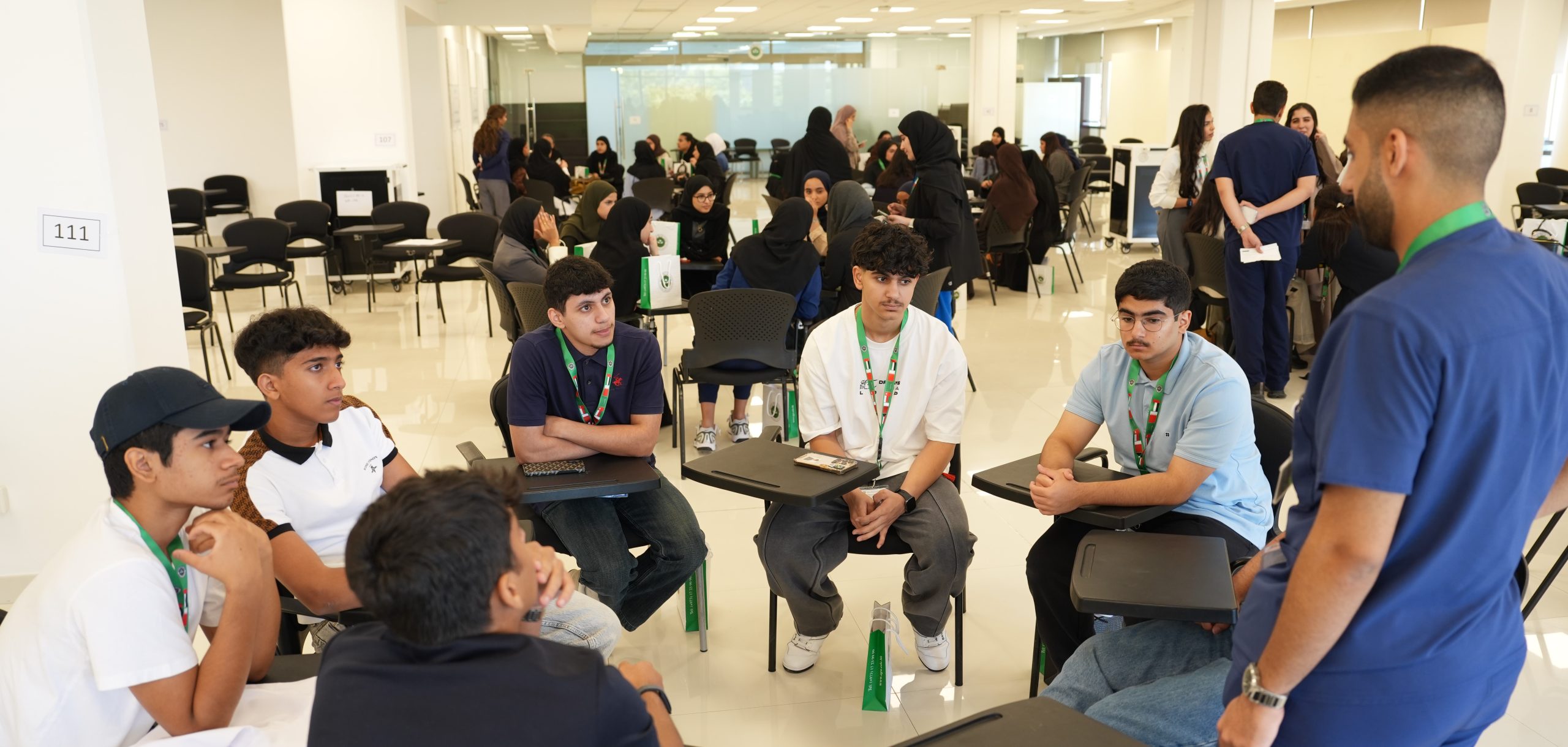
The Arabian Gulf University Medical Summer Camp, “Medical Student Experience,” was launched as part of an integrated educational program aimed at introducing secondary school students from the Kingdom of Bahrain, the Kingdom of Saudi Arabia, and the State of Kuwait to the university environment and medical disciplines, while providing them with the opportunity to engage in academic and practical experiences that simulate the study environment in medical colleges. The camp brought together 60 male and female participants from the Gulf Cooperation Council (GCC) countries.
Running over five days, the program features a diverse range of lectures and educational and hands-on activities. It began with an introduction to the camp, its objectives, and the structure of its program, alongside a series of orientation activities and tours of the university’s facilities. These activities helped prepare participating students to engage with university life and gain a better understanding of the admission and application requirements for the College of Medicine and Health Sciences.
The program includes a number of orientation and guidance sessions, as well as presentations on the requirements for applying to the College of Medicine and Medical Sciences. It also features scientific lectures covering basic medical sciences, academic skills, and communication skills, with the aim of enhancing students’ understanding of university-level study and the skills required to succeed in it. The program is delivered by academics and specialists in various medical fields, providing students with an initial insight into the sciences that form the foundation of medical education.
The camp places particular emphasis on practical learning. Its program includes laboratory sessions and training in clinical skills laboratories, allowing students to gain first-hand exposure to the practical aspects of medical work. It also features a tour of the university-affiliated teaching hospital, where students can explore different aspects of the clinical environment and learn about the role of healthcare institutions in the training of medical students.
Professor Dr. Mohammed Madadin, Dean of the College of Medicine and Health Sciences, said: “We believe that choosing a university major begins when students discover their interests and abilities. This is precisely why we launched the Gulf Medical Camp, ‘Medical Student Experience,’ to give secondary school students a genuine opportunity to come closer to the world of medicine and explore the academic and professional realities of medical student life before making their university decisions. Through this experience, we seek to inspire a passion for knowledge and equip students with the confidence and awareness they need to shape their academic and professional futures with clarity, making the camp a first step toward nurturing a generation of ambitious medical professionals capable of serving their communities.”
The program reflects Arabian Gulf University’s commitment to providing students with a comprehensive educational experience that combines theoretical knowledge, practical application, and early exposure to university and medical life. In doing so, it helps students make more informed decisions about their academic and professional futures in the medical field.
It is worth noting that, for more than four decades, Arabian Gulf University has continued to consolidate its leadership at the Gulf, regional, and international levels in the field of medical education through an advanced academic model that has contributed to preparing generations of highly qualified medical professionals and influential leaders. Throughout its journey, the University has successfully produced leaders who have contributed to the advancement of the health, education, and scientific research sectors and supported development across the Gulf countries, the region, and the wider world. This reflects the University’s standing as a leading academic institution and underscores its enduring role in shaping the future of medical education and preparing leaders capable of making a meaningful and lasting impact at both the regional and international levels.
by ashokaib | Aug 12, 2026 | Uncategorized
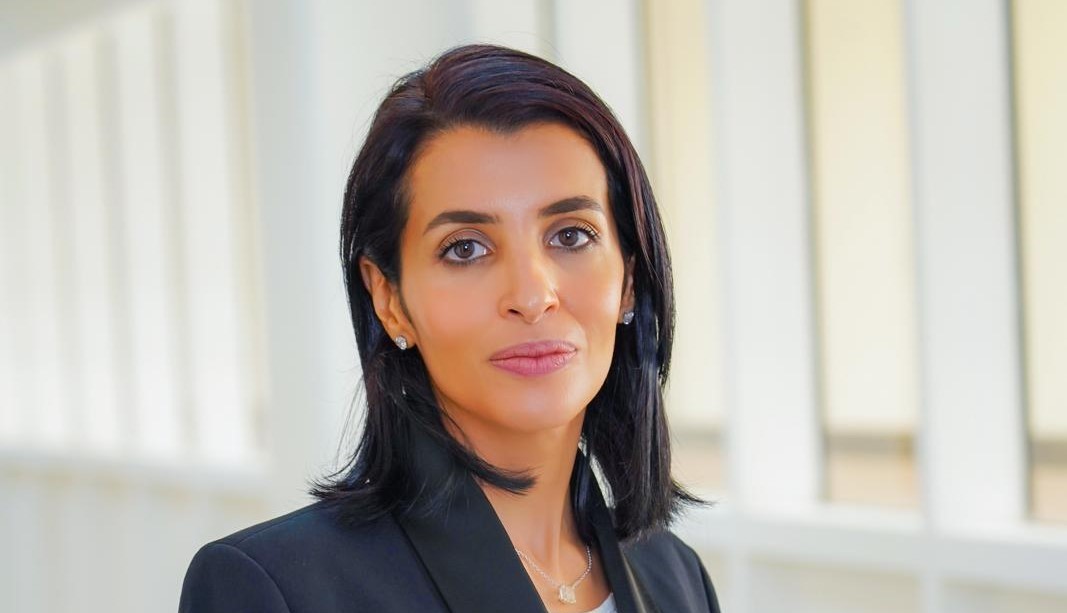
Dr. Aseel Fuad Al Saleh, Dean of Student Affairs at Arabian Gulf University (AGU), affirmed that International Youth Day represents an important occasion to celebrate the talents, energies, and creativity of young people, while highlighting their pivotal role in shaping the future of the Kingdom of Bahrain and the Gulf states and advancing comprehensive development across various fields.
Dr. Al Saleh commended the significant care and attention afforded to Bahraini and Gulf youth by the wise leaderships of the GCC countries. She noted that this support has contributed to empowering young people and creating opportunities for them to actively participate in development, innovation, and future-making, while strengthening their presence across diverse fields that serve their communities and support the aspirations of their countries.
She explained that youth constitute a fundamental pillar of progress and advancement, given their energy and creative capabilities, which equip them to contribute to addressing challenges and capitalising on opportunities. She affirmed AGU’s commitment to providing an inspiring educational, research, and student environment that contributes to preparing a distinguished generation of scientific talent and young leaders capable of shouldering responsibility and playing an active role in the development process.
Dr. Al Saleh noted that student activities and programmes at AGU provide an important platform for translating young people’s energy and potential into impactful community initiatives. Through their participation in volunteer activities, community initiatives, and awareness programmes aimed at promoting knowledge and raising awareness of social issues, students develop a strong sense of social responsibility, volunteerism, and initiative.
She added that students’ participation in community service and public awareness initiatives contributes to shaping their personalities and developing their leadership, communication, and teamwork skills. It also provides them with an opportunity to translate their academic knowledge into practical initiatives and activities with a tangible impact. She stressed that the University views students as active partners in society, rather than merely recipients of knowledge.
Arabian Gulf University reaffirmed its commitment to supporting initiatives and programmes that enhance young people’s capabilities and develop their leadership and innovation skills, while encouraging them to engage in community and volunteer work. These efforts align with the aspirations of the Gulf states to build knowledge-based economies driven by education, research, and innovation, as well as informed and empowered societies capable of shaping their own future.
Dr. Al Saleh expressed her confidence in the vital role young people will continue to play in advancing progress and development. She emphasised that investing in their potential and empowering them to participate in development and community service represents a genuine investment in the future, strengthening their ability to contribute to building societies that are more informed, innovative, and sustainable.
by ashokaib | Aug 11, 2026 | Uncategorized
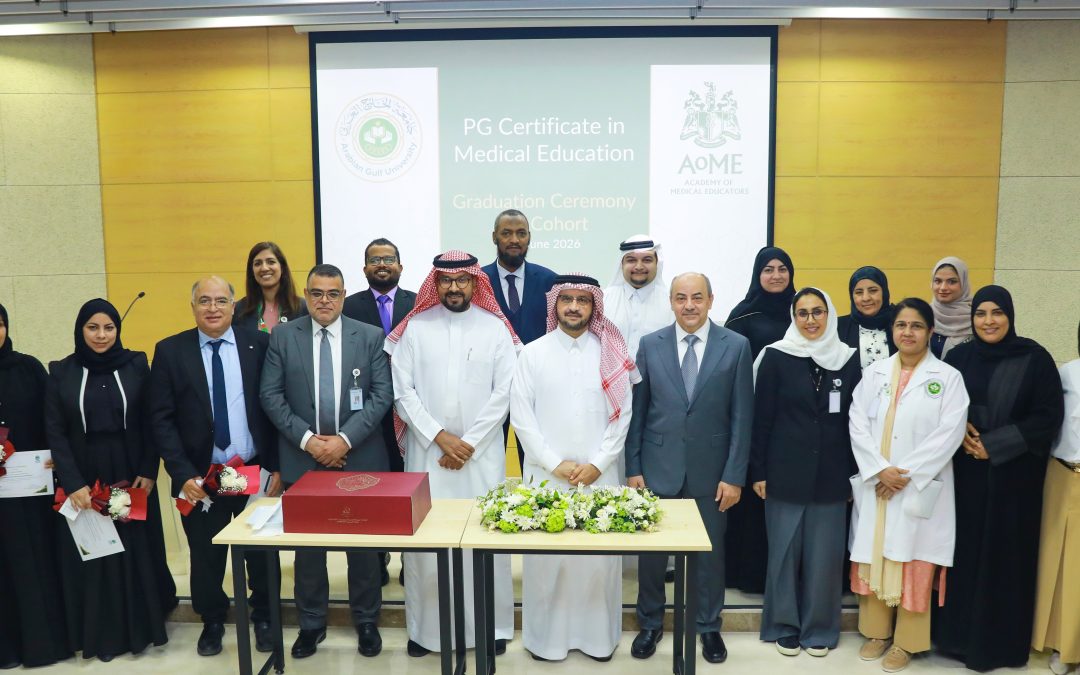
The Department of Medical Education at College of Medicine and Health Sciences at Arabian Gulf University (AGU) celebrated the graduation of the first cohort of academics who successfully completed the Core Competencies in Fundamental Abilities in Medical Education (FAME), accredited by the Academy of Medical Educators (AoME) in the United Kingdom.
The graduation ceremony was attended by AGU Vice President for Academic Affairs and Scientific Research, Dr. Ghazi bin Abdulrahman Al-Otaibi, and Dean of College of Medicine and Health Sciences, Prof. Mohammed Saleh Madadin.
The program forms part of Arabian Gulf University’s vision to support the continuous professional development of academic staff and strengthen medical education practices in line with international standards.
Dr. Al-Otaibi and Prof. Madadin commended the efforts made in implementing the program and praised the high professional standard of the intensive training workshops delivered by the Department of Medical Education. They emphasized the importance of such initiatives in strengthening the capabilities of academic staff and advancing the quality of medical education at the university.
During the ceremony, Head of the Department of Medical Education, Dr. Mohammed Al- Eraky, outlined the various stages the participants underwent throughout the program. He explained that the faculty development program, “Fundamental Abilities in Medical Education” (FAME), was launched in December and continued through February of the 2025–2026 academic year, as part of the department’s efforts to enhance faculty competencies in contemporary medical education.
Dr. Al-Eraky noted that the program achieved considerable success and attracted strong participation from academic staff at AGU and other institutions. A total of 78 participants benefited from the program across three main tracks: 34 participants enrolled in the Teaching and Learning track, 24 in the Curriculum Design track, and 20 in the Student Assessment track.
He further noted that the Department of Medical Education’s accreditation of the FAME program by the National Health Regulatory Authority (NHRA) and the Academy of Medical Educators (AoME) in the United Kingdom has enhanced the program’s standing and attracted the interest of a number of healthcare institutions both within and outside Bahrain, establishing it as a prominent specialized program in the field of medical education development.
The program forms part of Arabian Gulf University’s vision to support the continuous professional development of academic staff and strengthen medical education practices in line with international standards.
by ashokaib | Aug 9, 2026 | Uncategorized
Arabian Gulf University continues to welcome applications from physicians wishing to join the sixth cohort of its Clinical Master’s Program in Family Medicine, following the launch of admissions by the College of Medicine and Medical Sciences for the 2026–2027 academic year.
Applications will remain open until August 31, reflecting the University’s commitment to preparing specialized family physicians equipped with the clinical and leadership competencies needed to support and advance primary healthcare services across the Gulf Cooperation Council (GCC) countries.
The program responds to the growing demand for qualified family physicians in the region. It is regarded as one of the region's leading advanced professional programs, holding international accreditation from the World Organization of Family Doctors (WONCA) as well as recognition from Bahrain's National Health Regulatory Authority (NHRA) — granting graduates an academic and professional qualification that allows them to practice family medicine according to the highest professional standards.
Over the past years, the program has successfully graduated five cohorts of family physicians who have gone on to join various healthcare institutions and contribute to improving the quality of primary healthcare services, reflecting the program's quality and the stability of its academic and training outcomes.
The two-year program is clinically intensive, with trainees receiving hands-on training at accredited primary healthcare centers and government hospitals across the Kingdom of Bahrain. It offers an integrated educational framework combining direct clinical supervision, continuous workplace-based assessment, academic mentorship, a quality-improvement research project, and a weekly academic day on campus dedicated to the latest scientific developments and evidence-based medical practice.
The program is built on the Canadian Medical Education Directions for Specialists (CanMEDS) competency framework and comprises a curriculum of 75.5 credit hours, delivered by a distinguished faculty of professors and consultants specializing in family medicine — ensuring the preparation of physicians capable of providing comprehensive, integrated healthcare that meets community needs.
As part of its vision for continuous development, the College of Medicine and Health Sciences at Arabian Gulf University announced plans to introduce specialized subspecialty fellowships in family medicine in the coming period, aimed at expanding professional development opportunities for program graduates and strengthening Bahrain's healthcare sector — and the wider region's — with specialized consultant-level expertise to support the healthcare system's readiness for future needs.
The program accepts applications from citizens of GCC states, as well as Arab nationals residing in these countries, who hold a Bachelor of Medicine and Bachelor of Surgery (MBBS) degree or its equivalent from a university recognized by Arabian Gulf University. Applicants must also meet medical licensing requirements, pass the admission process and personal interview, and achieve the minimum required score on an English language proficiency test.
The program offers students a range of academic and professional benefits, including an internationally accredited clinical master's degree, hands-on training in accredited clinical settings, a competency-based curriculum aligned with the CanMEDS framework, a system of academic mentorship and continuous assessment, and future pathways into subspecialty fellowships — qualifying graduates to work as specialized family physicians in both the public and private sectors.
Physicians who meet the admission requirements may submit their applications electronically through the university's admissions portal, joining a program that helps prepare a new generation of family physicians capable of leading the future of primary healthcare in the region.
With the arrival of its sixth cohort, the program continues a track record of success that has established it as an advanced educational and training model in family medicine at the regional level — built on a strong record of academic and clinical achievements and outcomes that have proven their effectiveness in the healthcare field. This success underscores Arabian Gulf University's commitment to its mission of preparing family physicians who possess the knowledge, skill, and ability to lead the development of primary healthcare and contribute effectively to achieving the health development goals of the GCC states