by ashokaib | Oct 12, 2025 | Uncategorized
Arabian Gulf University (AGU) is taking part in the eighth Cairo Water Week, a high-level regional platform that brings together experts to discuss water, climate, and shared water sector challenges in the Arab world. The event begins Sunday morning and runs through 16 October in Cairo, under the patronage of President Abdel Fattah El-Sisi.
Prof Waleed Zubari, Professor of Water Management at the College of Education, Administrative and Technical Sciences, is representing the university at the invitation of UNESCO, in line with the ongoing partnership between the two on regional water issues. During the high-level dialogue session commemorating the 50th anniversary of UNESCO’s Intergovernmental Hydrological Programme (IHP), Prof Zubari will highlight milestones in the programme’s history and its future aspirations. He will also participate in two additional sessions addressing global scientific progress in the water sector and the challenges of sustainable groundwater management in the Arab region.
Cairo Water Week has become a premier scientific and dialogue platform that brings together officials, experts, and decision-makers from around the world to exchange knowledge and strengthen cooperation for global water security and sustainable development. The event supports knowledge exchange, advances scientific research, and enhances participation in the accompanying exhibition, which showcases the latest innovations and technologies in the water sector.
The week hosts 95 international and regional organisations and features 125 sessions, including the meeting of the Board of Governors of the World Water Council, the 37th General Assembly, the Executive Meeting of the Inter-Islamic Network on Water Resources Development and Management, the meeting of the High-Level Joint Water-Agriculture Technical Committee of the League of Arab States, UNESCO’s IHP Golden Jubilee, the Sixth Annual European Union Conference on Water Financing and Investment, the EU–Egypt Water Investment Forum, and the Egyptian–Dutch Water Forum.
by ashokaib | Oct 12, 2025 | Uncategorized
Arabian Gulf University (AGU), represented by its College of Medicine and Medical Sciences, participated in the International Medical Education Conference (ICME–IMEC) 2025, one of the most prominent global conferences in the field of medical education and healthcare professions.
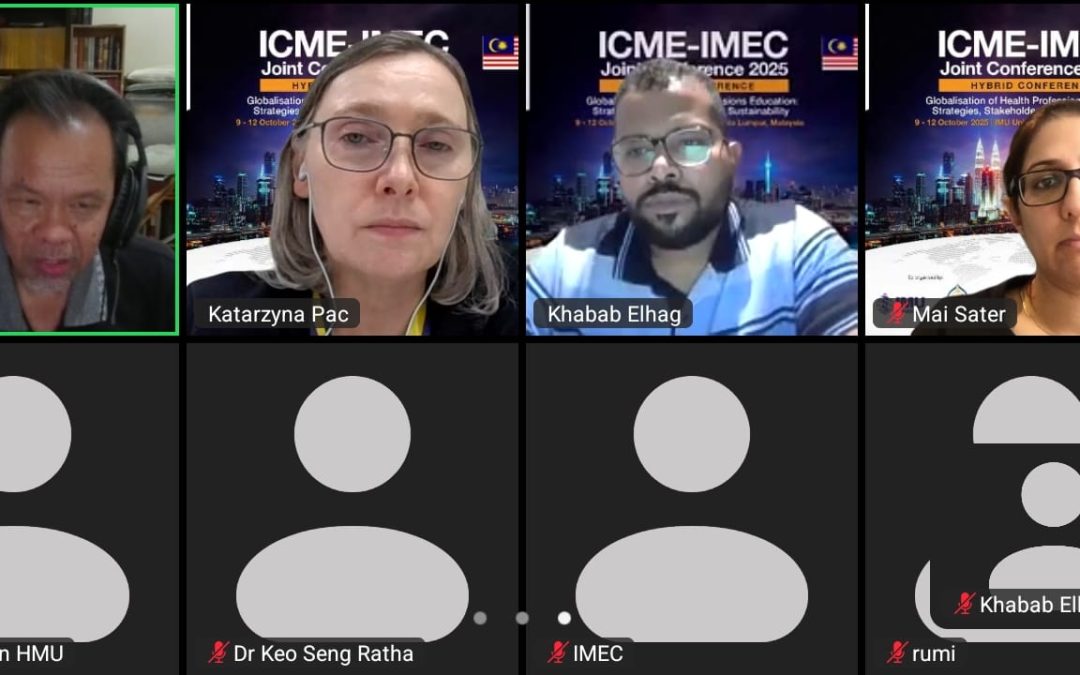
As part of the pre-conference activities, Dr Mai Salah Yousuf Sater, Associate Professor of Biochemistry, and Mr Khabab Abdelmoneim Elsaid Elhag, Head of the Quality Assurance and Accreditation Unit at the College of Medicine and Medical Sciences, presented an interactive online workshop titled: "Fostering Student Engagement in Health Education through Quality Circles."
The workshop highlighted the concept of Quality Circles as an effective tool to enhance student participation in the processes of continuous improvement and academic decision-making, based on the Japanese "Kaizen" philosophy of sustainable development.
Participants from various countries discussed the main obstacles to student engagement, such as limited feedback channels, academic pressure, and institutional culture, using interactive tools like Slido polls, Zoom breakout rooms, and AI-supported thinking activities.
It is noteworthy that conference this year was held under the theme, "Globalisation of Health Professions Education: Strategies, Stakeholders, and Sustainability." The conference featured participation from leading global universities and institutions, including the International Medical University (IMU) in Malaysia and Riphah International University in Pakistan, in collaboration with the World Federation for Medical Education (WFME) and several other international academic bodies.
Commenting on their participation, Mr Elhag explained that Quality Circles represent a paradigm shift in student engagement, as they give students an influential voice in improving the educational process. He pointed to the "Quality Voices" initiative launched by AGU, which has contributed to increasing student participation rates in academic evaluations and enhancing two-way transparency between students and faculty members.
For her part, Dr Sater stressed that genuine engagement is not limited to attendance or classroom interaction, but also includes fostering scientific curiosity, reflective thinking, and a sense of shared responsibility for the learning process.
She said: "When students feel that their voices make a real difference in the development of programmes and curricula, their engagement transforms from a formal obligation into a substantive participation driven by conviction and a desire to contribute."
She added that the Quality Circles model creates a safe and structured environment for constructive dialogue between students and faculty members, aligning with the standards of the WFME and ISO 21001:2018, both of which underscore participatory governance and a learner-centred approach.
The workshop witnessed broad international participation, reflecting the growing pioneering role of AGU in disseminating a culture of quality and innovation in medical education. Participants praised the workshop's evidence-based design, innovative interactive approach, and the use of AI technologies for analysis and reflection, describing the experience as "an inspiring model for international collaboration and enhancing student engagement." The workshop's outcomes aligned with the United Nations' fourth Sustainable Development Goal (SDG 4: Quality Education), which focuses on ensuring inclusive and equitable quality education and promoting lifelong learning opportunities for all.
At the conclusion of the workshop, AGU announced the establishment of the "Community of Practice for Quality Circles in Health Education" supervised by the university's Quality Assurance and Strategic Planning Centre. This community will serve as a global platform for the exchange of knowledge and experiences among academics and students, with the aim of developing sustainable initiatives to enhance engagement and continuous development in health education institutions.
by ashokaib | Oct 12, 2025 | Uncategorized
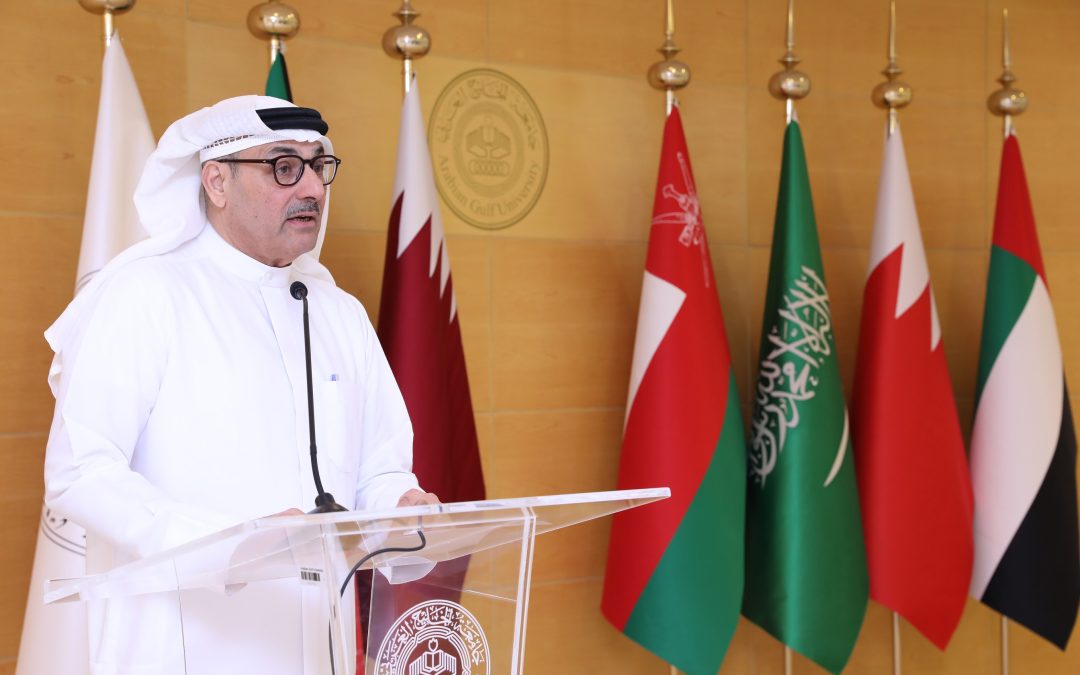
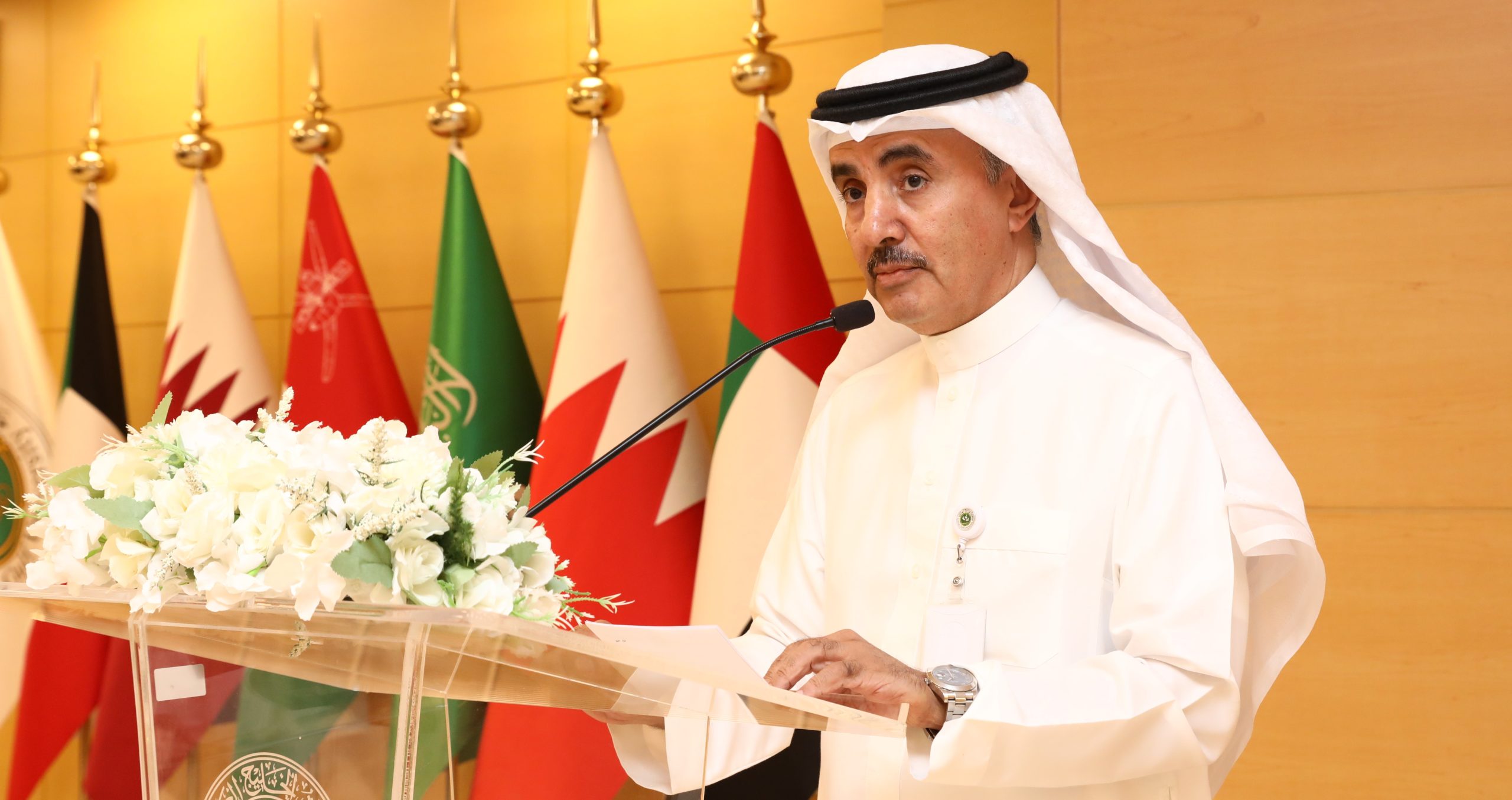
His Excellency Dr Saad bin Saud Al Fuhaid, President of the Arabian Gulf University (AGU), underscored the vital importance of water for social and economic development and the role of Arab youth in confronting water challenges in the Arab world. He pointed out that the Arab region is one of the most drought-prone areas globally, with increasing water challenges due to population growth and economic expansion, which threaten water security and hinder the achievement of sustainable development goals.
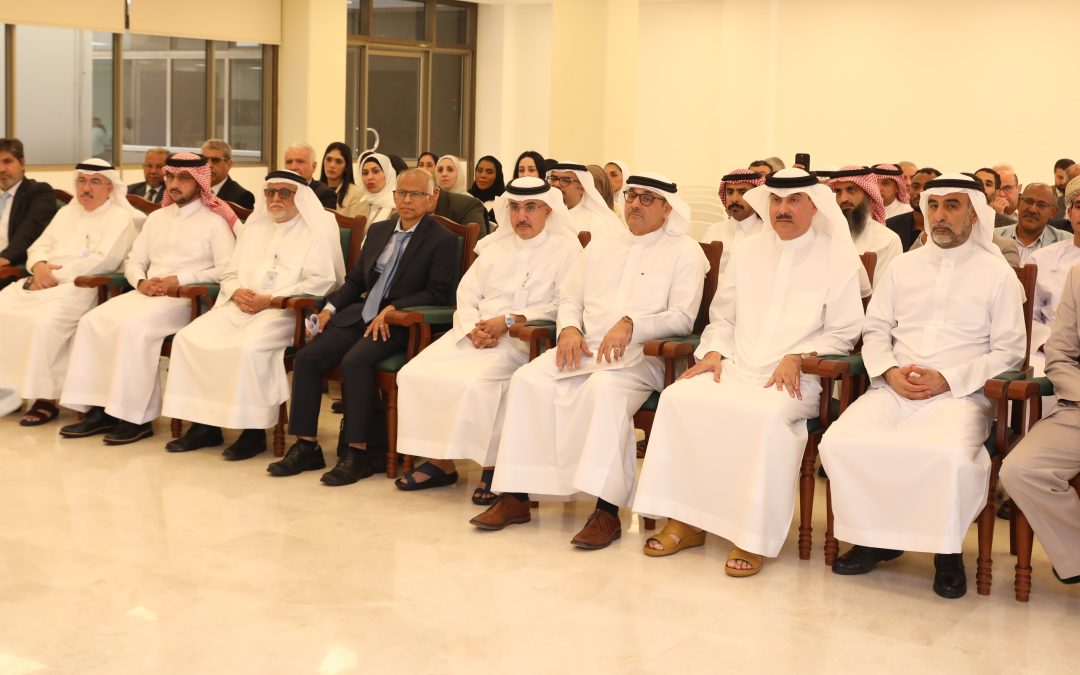
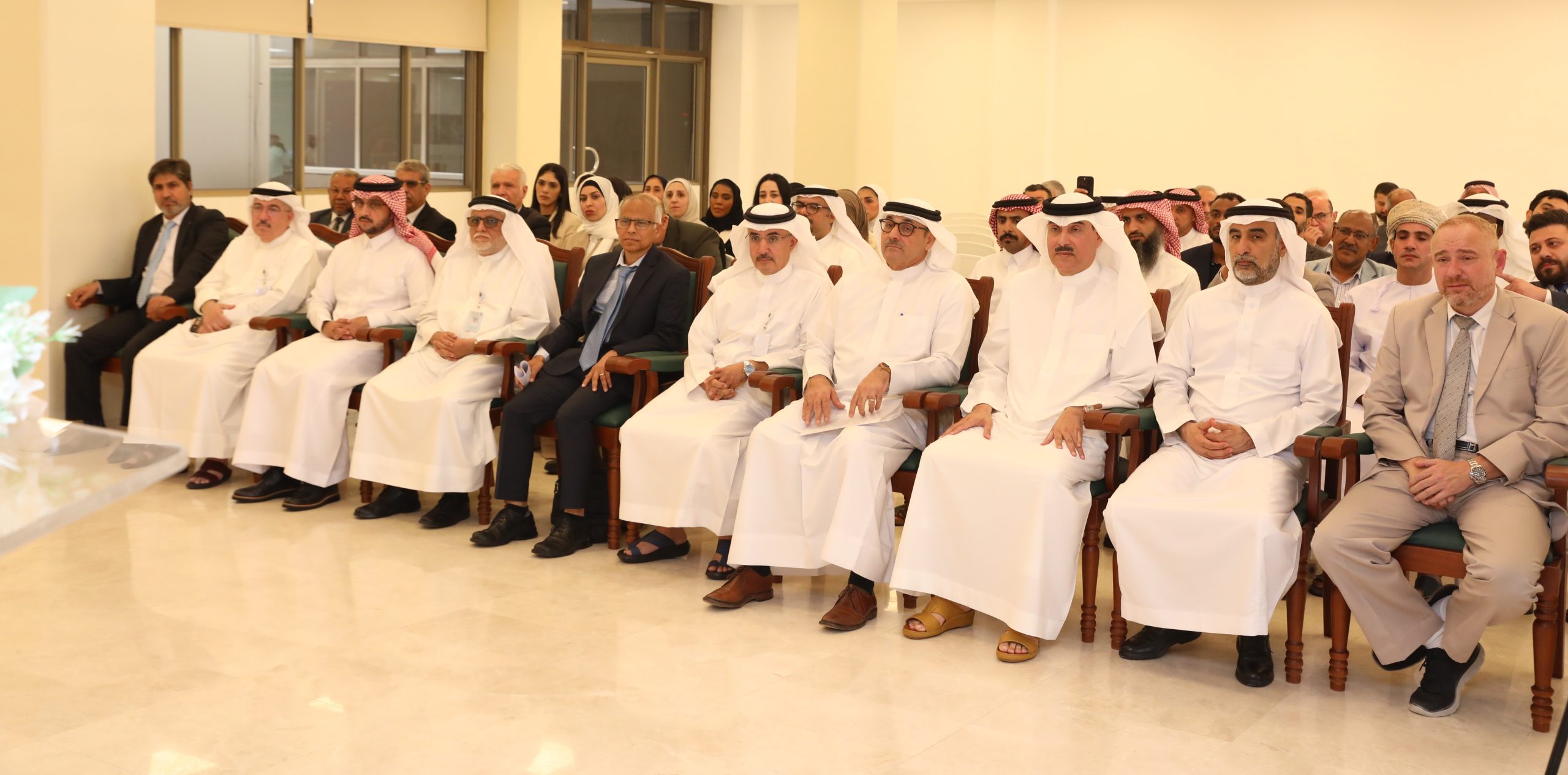
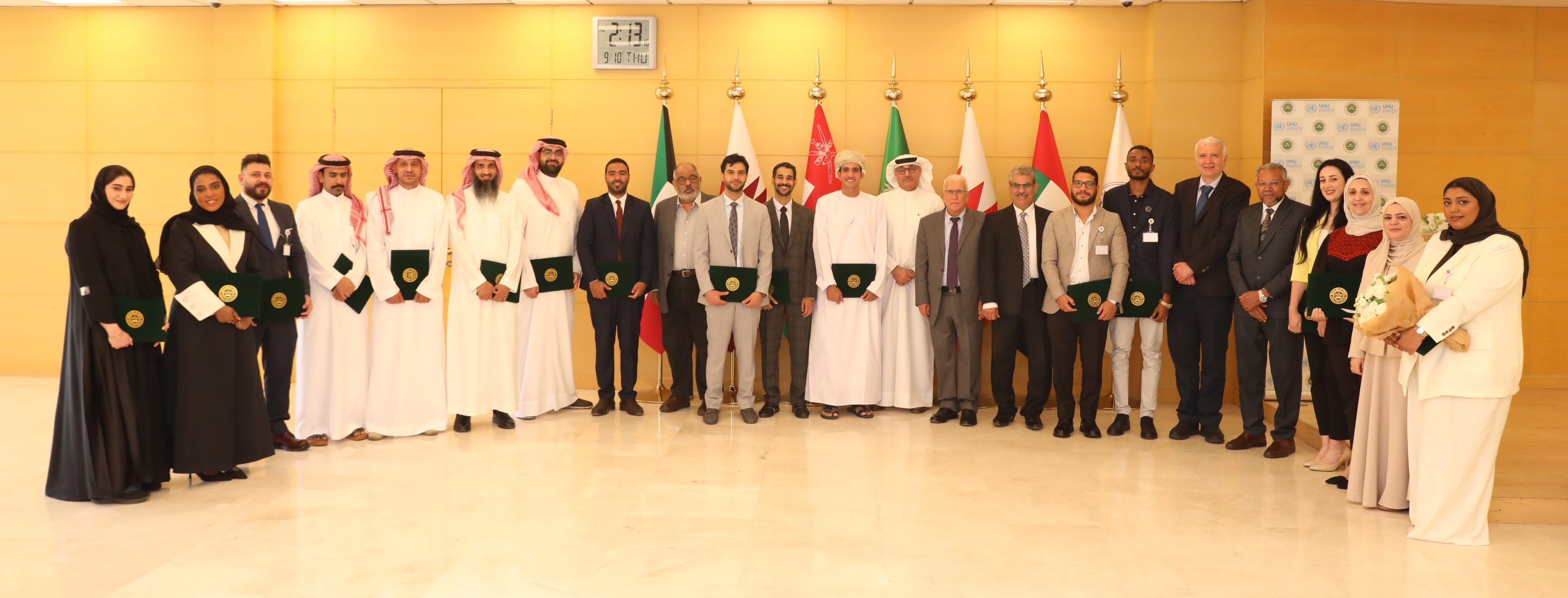
This statement was made during AGU's celebration, represented by the UN Water Learning Centre for the Arab Region, for the graduation of the tenth batch of the Integrated Water Resources Management Diploma programme.
The programme is implemented in cooperation with the United Nations (UN) University Institute for Water, Environment and Health (UNU-INWEH) in Canada. The ceremony was attended by a number of officials, experts, and representatives of donor and supporting bodies, in addition to the graduates who are from various Arab countries.
During his speech, His Excellency Dr Al Fuhaid stressed that the conservation and sustainability of water are a shared responsibility among governments, institutions, and individuals. "This requires measures such as rationalising consumption, treating and reusing wastewater, protecting resources from pollution, investing in desalination projects, and enhancing regional and international cooperation." His Excellency stated.
He explained that the Integrated Water Resources Management Diploma programme aims to develop the participants' capacities in the technical, economic, social, and legal aspects of water, while changing the traditional perspective on water resources management in the region.
He further added: "Since its establishment in the early 1980s, the Arabian Gulf University has paid great attention to the issue of water, launching one of the first master's programmes in this field. This qualified it to be selected by the United Nations University to host the Regional Centre of the United Nations-Water Learning Centre (UN-WLC) for the Arab Region since 2007."
It’s worth citing that the number of graduates from the programme has reached 141 (male and female) from various Arab countries. They have received continuous support from the Arab Fund for Economic and Social Development, the Supreme Council for Environment in Bahrain, the Saudi Irrigation Organisation, the Electricity and Water Authority, the Kuwait Foundation for the Advancement of Sciences, and UNESCO, in addition to the backing from the governments of the Gulf Cooperation Council (GCC) countries.
For his part, Dr Mir Matin, Manager of Geospatial, Climate, and Infrastructure Analytics Programme at the UNU-INWEH in Canada, underlined the importance of this certificate, which he considered not just a document, but "a mandate for leadership in a complex and challenging world." He praised the ongoing cooperation between the UNU Institute and the AGU, which has spanned nearly two decades.
He highlighted the significance of the Water Learning Centre at the university, which is considered a major achievement in supporting integrated water resources management in the Arab region, especially in light of the severe environmental and water challenges it faces. He mentioned five key areas the United Nations is working on in the fields of water, environment, and health: governance and justice, energy and critical minerals, food security and biodiversity conservation, health and gender equality, as well as geographic and environmental analysis using modern technologies.
He noted that this year's graduation projects were distinguished by their diversity and innovation in applying the principles of integrated water resources management. "They addressed vital topics such as water safety plans in Sudan, the efficiency of wastewater treatment in Kuwait, economic assessments of artificial wetlands in Egypt, and the sustainable management of brine in Bahrain, among other projects that represent practical contributions to facing water challenges in the region. He called on the graduates to apply the knowledge they have gained in practical and community-based projects and to participate actively in the UNU-INWEH network to achieve a sustainable positive impact in the fields of water, environment, and health at the regional and global levels.
During the ceremony, Professor Waleed Zubari, Dean of the College of Education, Administrative and Technical Sciences, Professor of Water Resources at AGU, and Programme Coordinator, stated that the graduates today represent the programme's ambassadors and bearers of its vision to adopt an integrated approach to water resources management. He wished them success in facing the water challenges in the Arab world with innovative and sustainable methods.
He emphasised that this certificate is not an end, but the beginning of a new journey of giving and responsibility towards their communities and nations. He expressed his pride in the programme's outcomes and his confidence in the graduates' ability to contribute effectively to promoting sustainable water management in the Arab world and facing the increasing challenges in this vital sector.
He concluded his speech by saying: "Conserving water resources is a collective responsibility that requires the combined efforts of governments, international institutions, and individuals, through a package of solutions and measures such as rationalising consumption, reusing treated water, protecting resources from pollution, investing in desalination projects, and enhancing regional cooperation to exchange experiences and develop water technologies."
Furthermore, in a speech delivered on behalf of the Arab students, a number of graduates described this educational journey as exceptional. It provided them with a rich academic and professional experience, during which they engaged with important issues and topics in management, economics, policy, and the environment, such as wastewater reuse, good water governance, the efficiency of desalination plants, adapting to the impacts of climate change, and protecting natural habitats.
They expressed their deep gratitude to AGU, the UNU-INWEH, the professors, and the supporting bodies, including: the Arab Fund for Economic and Social Development, the UNESCO office in Cairo, the Kuwait Foundation for the Advancement of Sciences, the Supreme Council for Environment in Bahrain, and other institutions that believed in the importance of building the capacities of Arab youth.
They said the programme was a milestone in strengthening their scientific and practical abilities, moving them from traditional sectoral management to a holistic vision based on integration among the elements of the water system.
They added that the programme equipped them with analytical and planning skills that enable them to deal with water management challenges in their countries from an integrated perspective, reflecting the spirit of cooperation and shared responsibility upon which the Centre's mission is based.
They affirmed that the programme helped raise their readiness and capabilities as individuals to face the complex challenges posed by water resources management in the Arab region. It also contributed to strengthening the institutional capacities of the participating entities by providing them with trained competencies capable of introducing integrated management concepts into daily policies and practices, thereby multiplying its developmental and regional impact.
by ashokaib | Oct 9, 2025 | Uncategorized
Arabian Gulf University (AGU) has scored a new global achievement by advancing in the 2026 Times Higher Education (THE) World University Rankings for the second consecutive year. The university joined the list of top 20% universities, having advanced to the 401-500 category out of 2,191 ranked universities, in comparison to its position among the 501-600 category out of 2,092 universities last year. This confirms the progress of its development journey towards realising its vision and strategic objectives.
THE World University Rankings is one of the most prominent global rankings based on precise criteria for evaluating university performance. It is based on five pillars: quality of education, scientific research environment, quality of published research, openness to international cooperation, and industry links.
AGU was evaluated based on the excellence of the learning environment, the staff-to-student ratio, its level of academic qualifications, the availability of human and financial resources, the infrastructure supporting scientific research, the impact of published research, and the extent of international research collaboration. The university has also demonstrated a high capacity for transforming knowledge into practical application through partnerships with the industrial sector, strengthening its position as a leading institution in innovation.
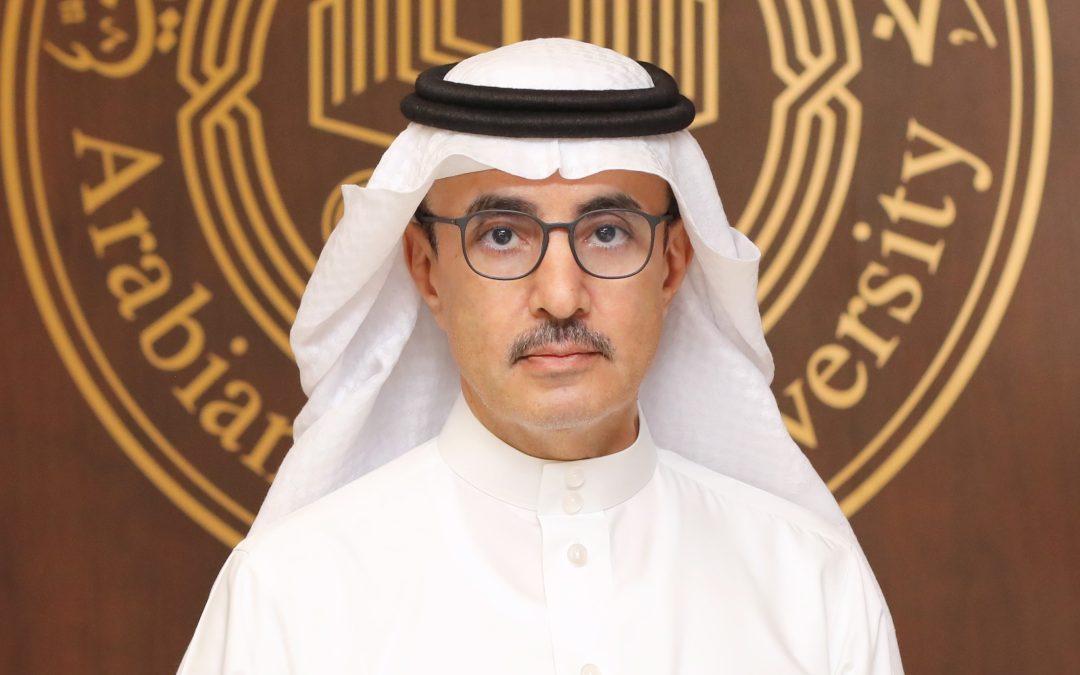
His Excellency Dr Saad bin Saud Al Fuhaid, President of AGU, confirmed the university's progress in international rankings as the result of an ambitious institutional journey founded on academic and research excellence. The university is committed to offering innovative educational programmes, employing high-level educational and research capabilities, and building a solid international reputation through effective partnerships with prestigious universities around the world.
His Excellency added that this achievement affirms the university's dedication to its strategic vision, demonstrating its ability to maintain its leading position among the world's top universities in terms of educational quality, programme reliability, and the efficiency of its outcomes, reaffirming its regional standing and the academic community's confidence in its mission.
For his part, Dr Adel Kamal, Director of the Quality and Excellence Centre at AGU, stated that this achievement tails successive previous achievements by the university, placing it on the global stage. This follows the expansion of its academic influence by graduating highly trained cadres according to international standards, which has strengthened its ability to maintain a leading position in global rankings. He noted AGU’s commitment to meeting global market requirements and the strategic development goals of the Gulf Cooperation Council.
It is worth noting that AGU is the first educational institution in the Kingdom of Bahrain to be included in THE World University Rankings, an achievement that reflects its quality of education, bolsters the confidence of international institutions in its graduates, and consolidates its standing with local, regional, and international stakeholders.
by ashokaib | Oct 8, 2025 | Uncategorized
Under the auspices of His Excellency Dr Saad bin Saud Al Fuahaid, President of Arabian Gulf University (AGU), the graduation ceremony for the tenth cohort of Integrated Water Resources Management Diploma students will be held tomorrow, Thursday evening. The programme is implemented by the UN Water Learning Centre for the Arab Region (UN-WLC) at AGU. The ceremony will graduate 19 young Arab participants working in various water sectors, representing ten Arab countries: Bahrain, Saudi Arabia, Kuwait, Oman, Jordan, Palestine, Syria, Sudan, Egypt, and Yemen.
Dr Waleed Zubari, Dean of the College of Education, Administrative and Technical Sciences, Professor of Water Resources at AGU, and Programme Coordinator, stated that the tenth cohort’s research projects address a range of regionally important topics while taking into account the social, economic, and environmental dimensions of water resource management, such as: developing a drinking water safety plan in Sudan; characterising and evaluating the performance of the Sulaibiya Wastewater Treatment Plant in Kuwait; evaluating household water auditing techniques to enhance water and energy efficiency in Jordan; conducting an integrated environmental assessment of a water basin in Syria; evaluating the effectiveness of water loss reduction programs in Oman; using solar power to extract groundwater for displaced persons in Yemen.
Other projects include optimal design for the disposal of desalination wastewater in Bahrain; developing key performance indicators related to the reuse of renewable water in Saudi Arabia; analysing the agricultural characteristics of palm cultivation using treated wastewater; evaluating the economic and environmental impact of water-saving devices in Bahrain; evaluating the potential and barriers to reusing treated wastewater for firefighting in Bahrain; integrated emergency planning for the water sector in Gaza; assessing drinking water quality using the Water Quality Index in the West Bank; water modelling in Salman City, Bahrain, among other projects.
The research projects were supervised by a select group of AGU professors and collaborating specialists from outside the university in the fields of water, environment, social sciences, and economics. The programme employs a “dual system” approach: regular in-person study for short periods totalling four weeks, complemented by distance learning. The delivery method emphasises self-study, assignments, and remote dialogue with professors, including the submission of a practical project and a final examination, upon which the certificate is awarded.
The UN-WLC was established in 2007 under a cooperation agreement between AGU and the International Institute for Water, Environment and Health, Canada. The programme enjoys the support of key funding bodies. The Arab Fund for Economic and Social Development offers five scholarships to candidates from lower-income Arab states; the Supreme Council for the Environment offers five scholarships to Bahraini students; the Saudi General Irrigation Authority offers three slots; the Electricity and Water Authority offers three slots; the Kuwait Foundation for the Advancement of Sciences offers one scholarship to a Kuwaiti participant; and UNESCO offers two scholarships to Arab students. Nine previous cohorts have graduated the programme while today marks the tenth cohort, bringing the total number of graduates to 141 from various Arab countries.
Delivered by AGU in cooperation with United Nations University, this multidisciplinary programme aims to build the capacities of water professionals in integrated water-resources management and to foster comprehensive administrative thinking on all aspects of water resources and related challenges in the Arab region. Participants complete graduation projects that apply integrated management principles to water-sector problems in their home countries. Graduates achieving an overall mark of 80% or above may proceed directly to the Master’s programme in Water Resources Management, offered by AGU, subject to standard admission requirements.