by ashokaib | Sep 21, 2025 | Uncategorized
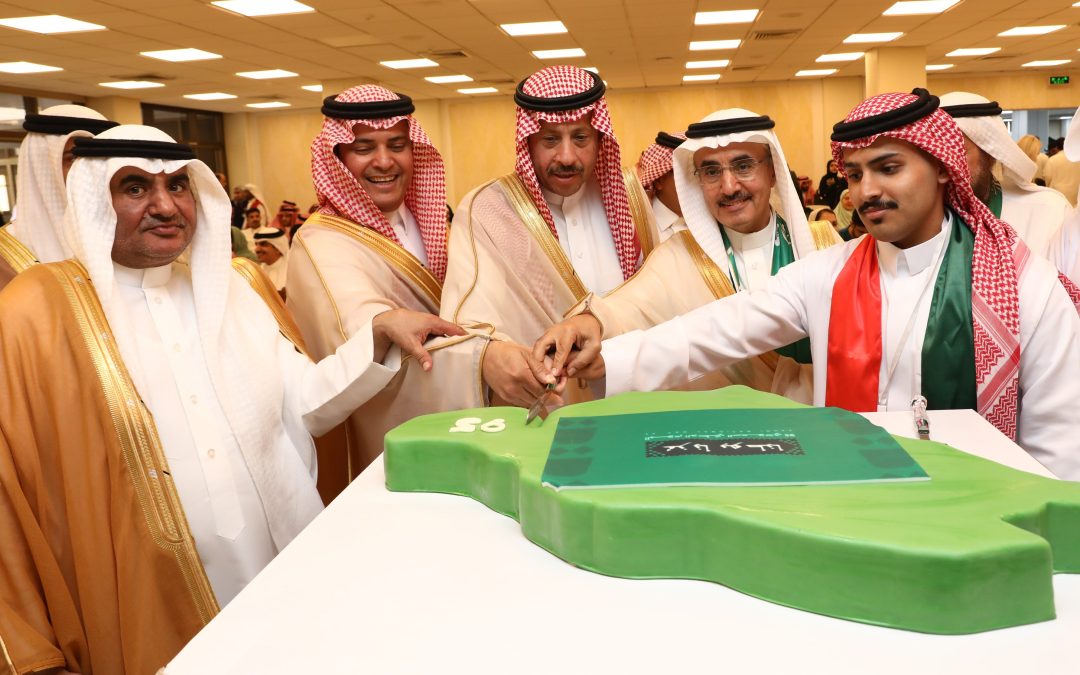
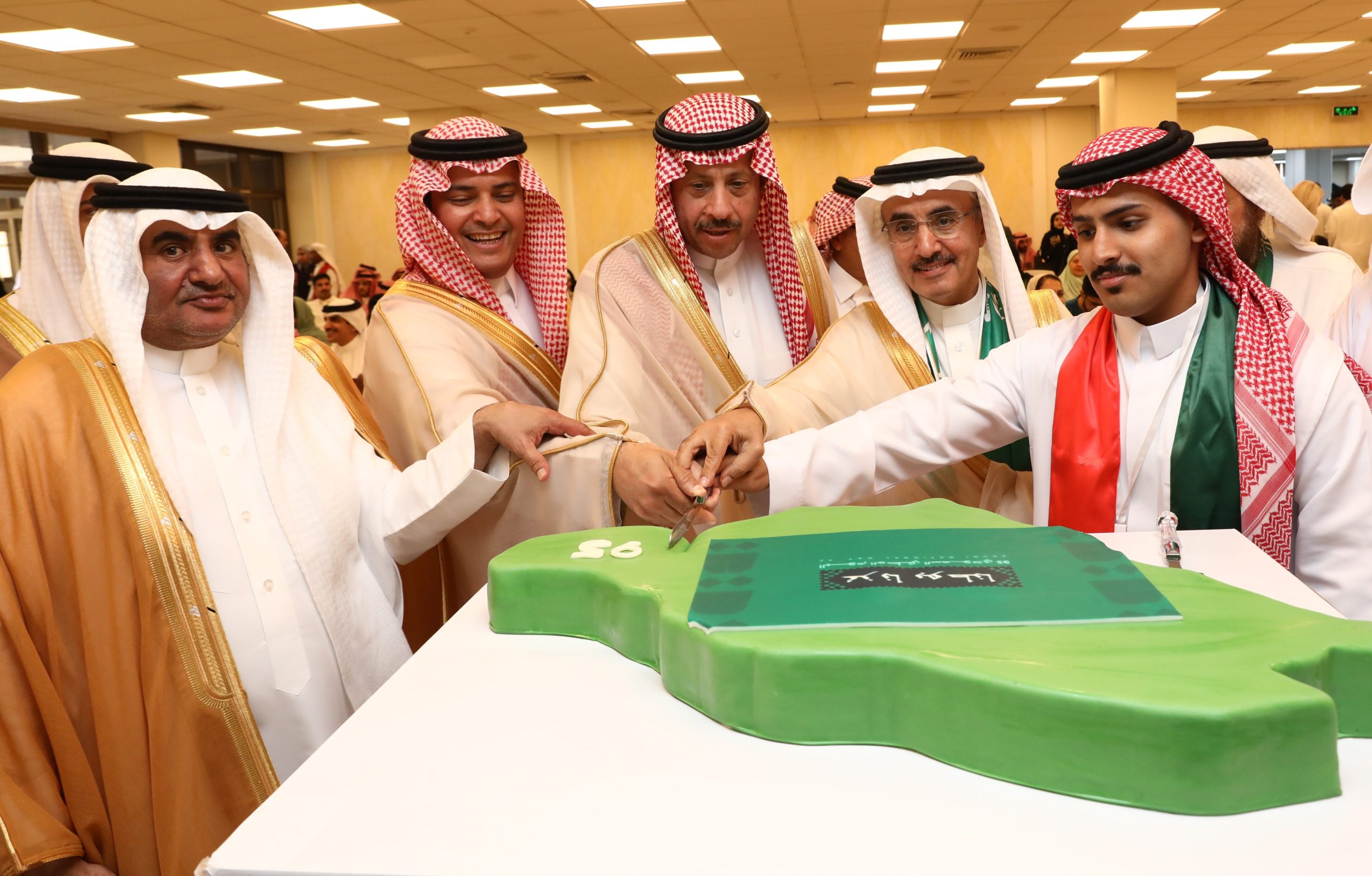
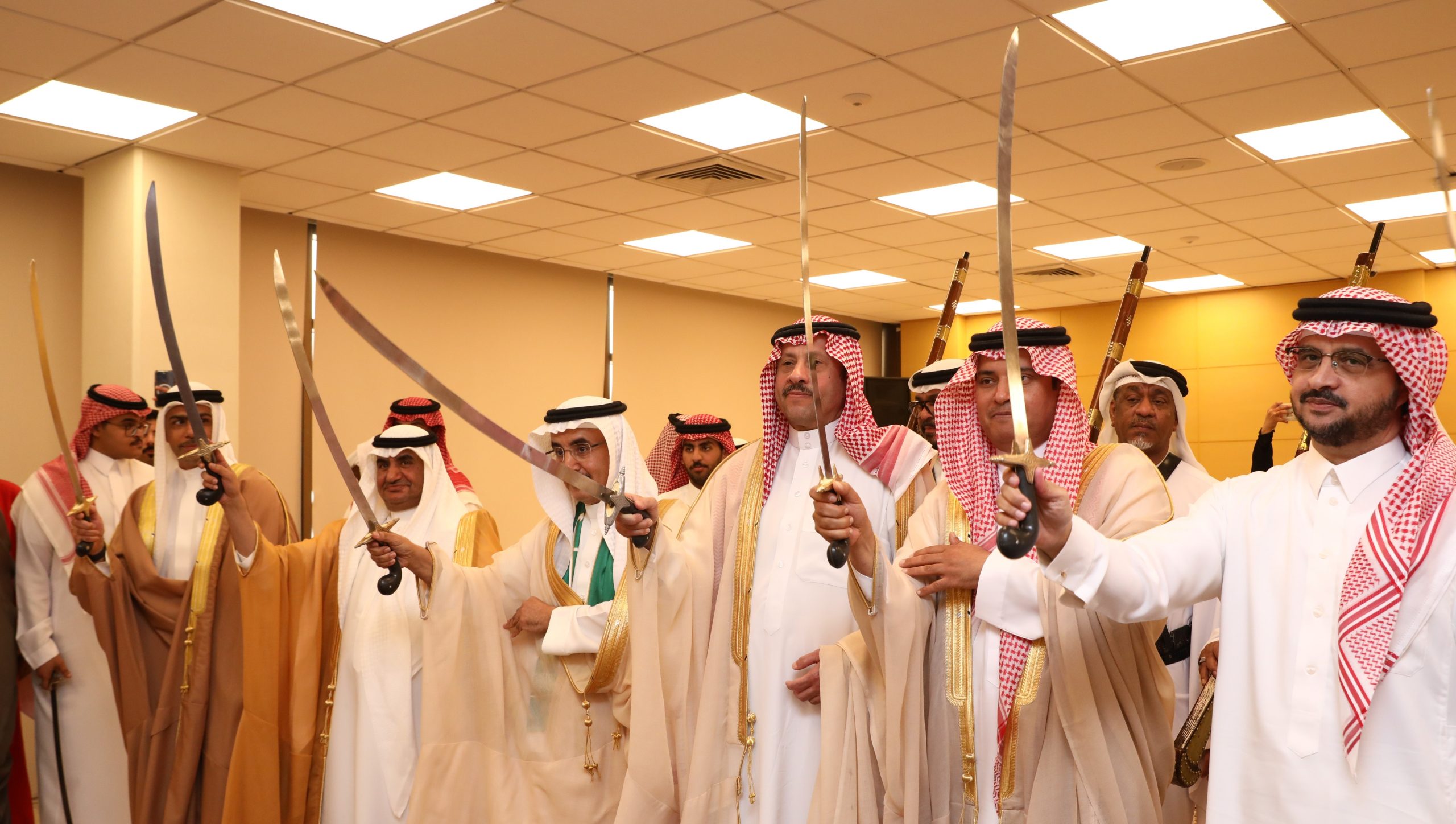
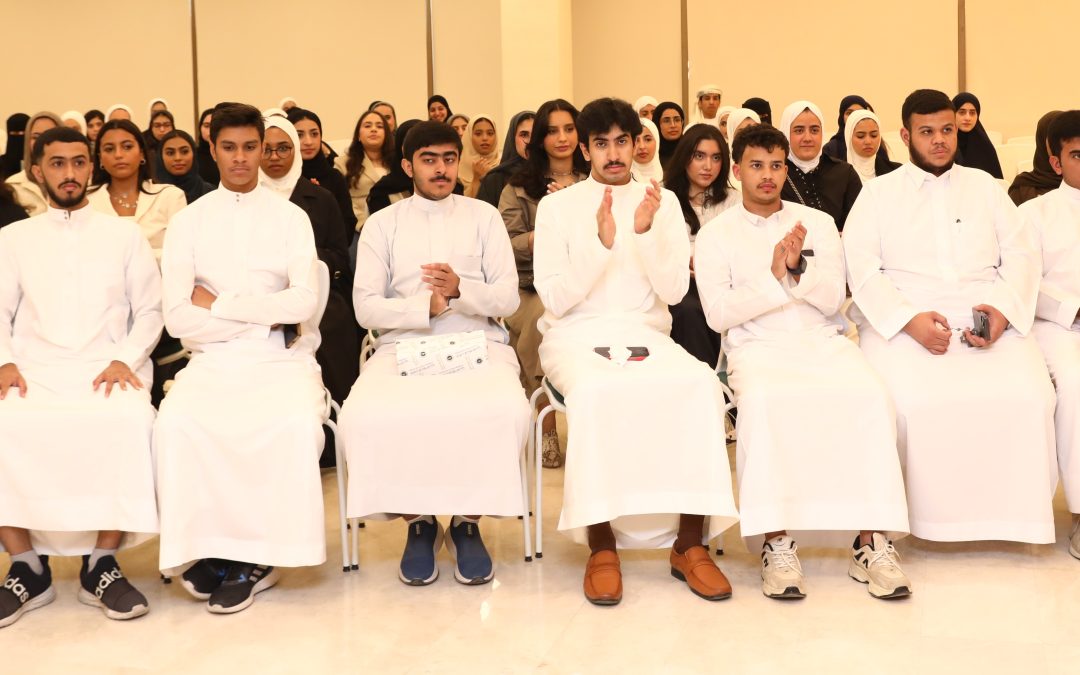
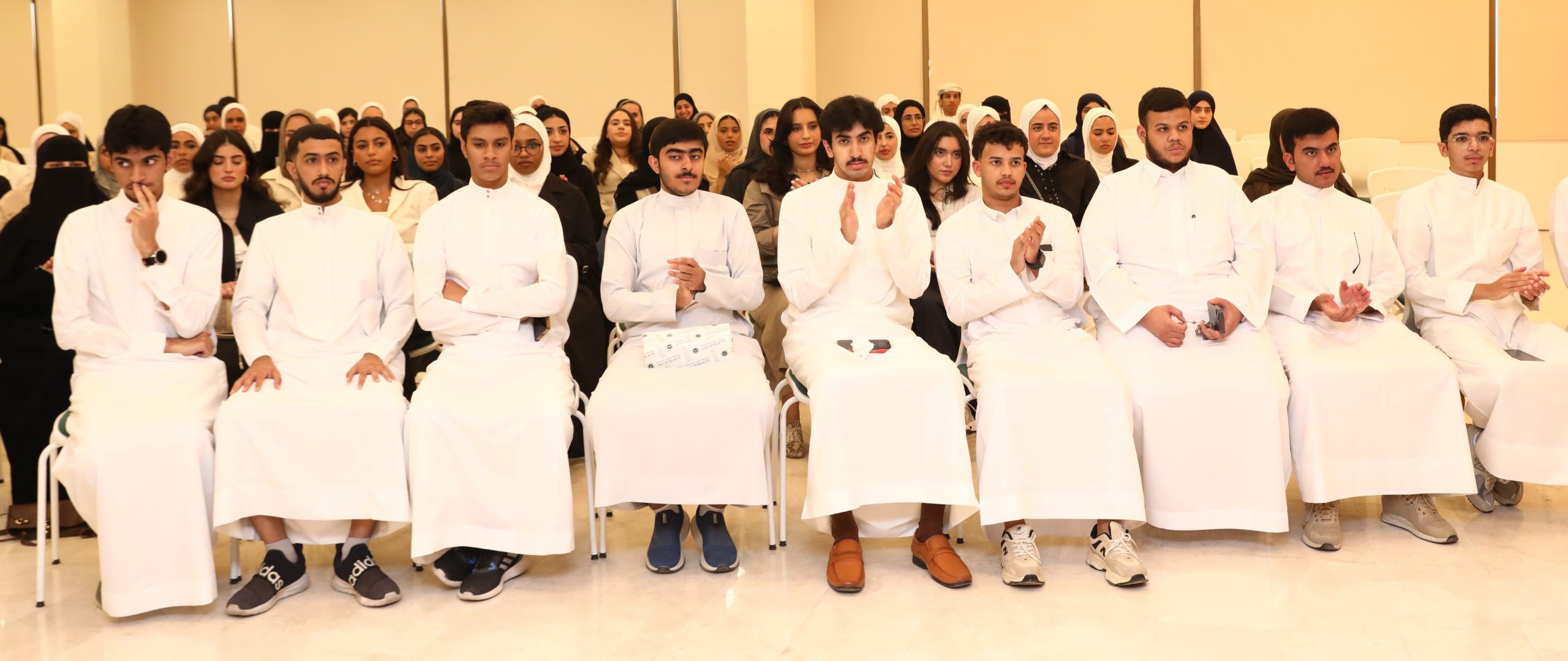
The Arabian Gulf University (AGU) celebrated the 95th Saudi National Day in an event held on the university campus, attended by His Excellency Mr Nayef bin Bandar Al Sudairi, Ambassador of the Kingdom of Saudi Arabia to the Kingdom of Bahrain, His Excellency Dr Mubarak bin Khalaf Aldosari, the Saudi Cultural Attaché, a number of diplomatic, academic, and administrative figures, as well as university students from various GCC countries who expressed the unity of the Gulf identity and contributed to embodying the deep-rooted fraternal relations among the Gulf Cooperation Council (GCC) states.
On this occasion, His Excellency Dr Saad bin Saud Al Fuhaid, President of AGU, extended his highest congratulations and sincerest expressions of loyalty to the Custodian of the Two Holy Mosques, King Salman bin Abdulaziz Al Saud, and to His Royal Highness Prince Mohammed bin Salman bin Abdulaziz Al Saud, the Crown Prince and Prime Minister of the Kingdom of Saudi Arabia. He affirmed that this national occasion embodies feelings of pride and loyalty in the hearts of the people of the GCC, as it symbolises the journey of a great nation that began at the hands of the late King Abdulaziz bin Abdulrahman Al Saud and continued under the leadership of his loyal sons until the era of the Custodian of the Two Holy Mosques, King Salman bin Abdulaziz, and his trustworthy Crown Prince, where the Kingdom has become a global model in development and leadership.
He pointed out that this anniversary represents a stand of pride in the Kingdom's history and an appreciation for the efforts of its leadership and citizens, who have brought about qualitative transformations through "Saudi Vision 2030," which is leading the Kingdom towards a bright future and a prosperous economy that keeps pace with global changes and enhances the Kingdom's regional and international standing.
His Excellency also valued the generous support provided by the Kingdom to AGU since its establishment, praising its abundant contributions to supporting the university's budget, research chairs, academic initiatives, and the establishment of the King Abdullah bin Abdulaziz Medical City, which will constitute a qualitative leap in medical education, scientific research, and healthcare at the Gulf and regional levels.
Moreover, His Excellency Dr Al Fuhaid expressed the university's pride in its Saudi students, who contribute effectively to the academic programmes and embody the spirit of GCC. At the same time, he praised the university's alumni from the Kingdom, who have gone on to serve their nation and communities, carrying with them the values of science and knowledge.
During the opening of the ceremony, student Nayef Al Muflehi recited blessed verses from the Holy Quran. Then, student Khalid Al Shammari delivered a speech on behalf of the students, expressing love and loyalty to the homeland.
Ziyad Al Osaimi, housing supervisor, recited a poem for the occasion, followed by student Reda Al Nuwaisar who read another Nabati poem. Students Faisal Al Abdullah and Yazan Al Qahtani served as the masters of ceremonies.
Furthermore, the Saudi students and their colleagues from the GCC countries expressed their joy for the National Day by chanting national anthems. They also organised an exhibition under the theme "Our Pride", highlighting the Kingdom's values and national identity. The exhibition featured diverse sections for entertainment and knowledge, including games and interactive activities, a pottery and traditional handicrafts corner, and other sections that showcased Saudi Vision 2030 and exhibited the major projects associated with it. Through the exhibition, the students personified the central tenets of Saudi culture: generosity, hospitality, communal solidarity, ambition, heritage, and foresight.
The celebration witnessed a large turnout of students and academics, during which the common Gulf identity was unified. It demonstrated the connection of the younger generations to the Kingdom's rich heritage and its established values, reflecting pride in Saudi Arabia's history and its ambitious future.
by ashokaib | Sep 21, 2025 | Uncategorized
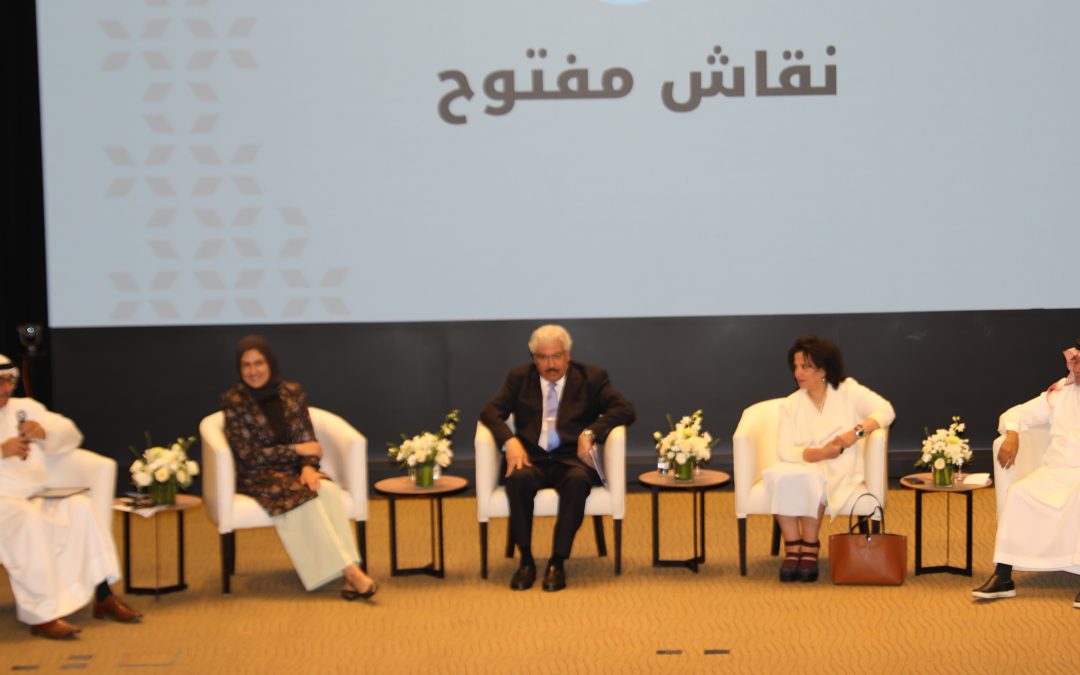
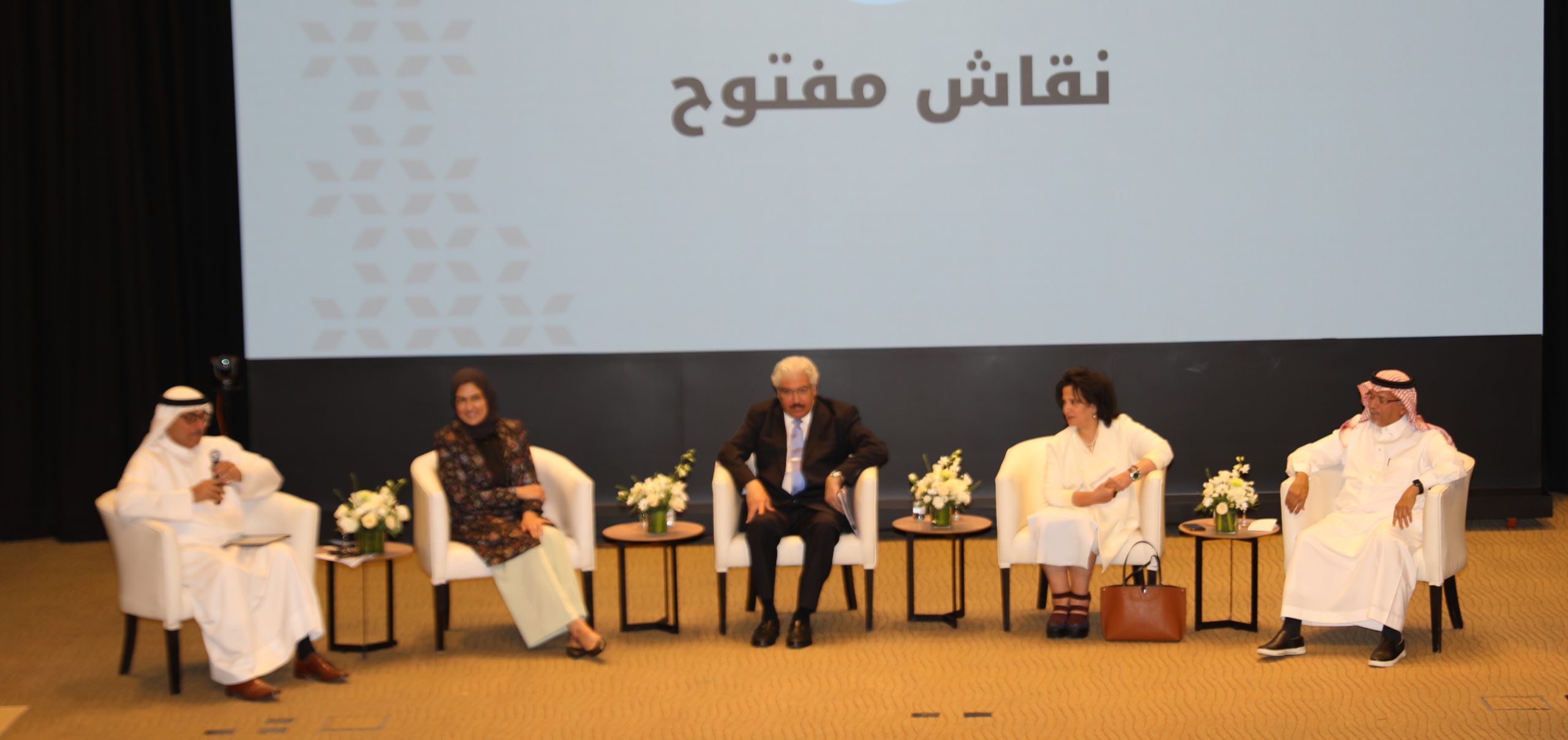
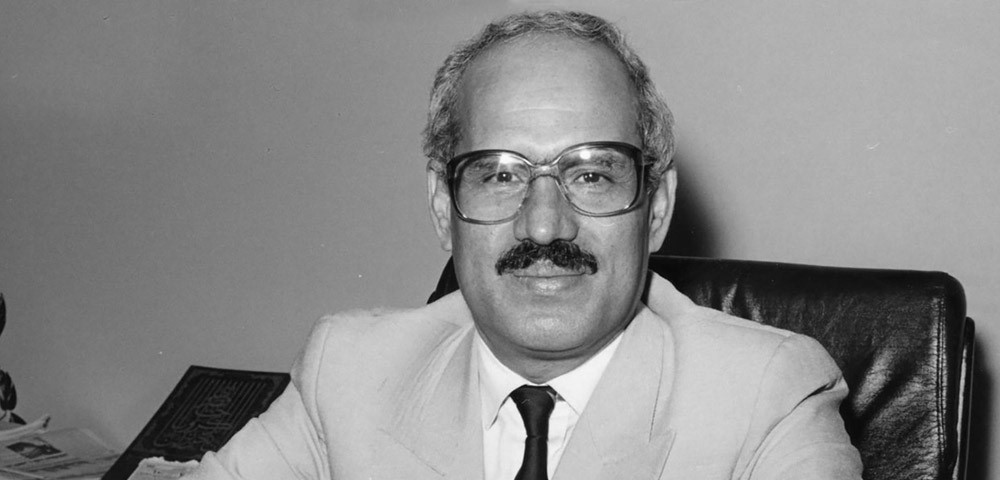
The Arabian Gulf University (AGU) organised an intellectual symposium celebrating the scholarly, intellectual and cultural contributions of the late Arab thinker Dr Mohammed Jaber Al Ansari, who, through his thought and writings, became a prominent figure in the trajectory of the modern Arab renaissance.
The symposium was held on Thursday morning at the Prince Abdulaziz bin Fahad Hall at the Princess Al Jawhara bint Ibrahim Al Ibrahim Centre for Molecular Medicine, Genetics and Inherited Disorders.
The event was attended by His Excellency Mr Naif bin Bandar Al Sudairi, Ambassador of the Kingdom of Saudi Arabia to the Kingdom of Bahrain, His Excellency Mr Ali bin Saleh Al Saleh, Chairman of the Shura Council, along with a distinguished group of intellectuals, media figures and interested attendees.
His Excellency Dr Saad bin Saud Al Fuhaid, President of the Arabian Gulf University, praised the distinguished scholarly standing of Dr Al Ansari, who was known for his rigorous critical approach and insightful analytical vision rooted in reality yet forward-looking. He commended his contributions during his tenure as Dean of the College of Graduate Studies at the university, stressing that his intellectual legacy remains a rich source for modern Arab thought and a reference for researchers across many fields of knowledge.
Dr Al Fuhaid emphasised that this symposium comes as part of the university’s ongoing mission to promote intellectual awareness and entrench culture within Gulf society, while renewing AGU’s commitment to honouring its pioneers who contributed to shaping its academic and cultural path.
For his part, the symposium moderator, Prof. Waleed Zubari, Dean of the College of Education, Administrative and Technical Sciences at AGU, stated that celebrating the journey of such a major Arab intellectual and esteemed professor as Dr Mohammed Jaber Al Ansari cannot be done justice in just a few hours. He noted that revisiting his intellectual and human legacy and hearing first-hand testimonies from those who knew him from different perspectives is not an easy task.
He further said: “Dr Al Ansari was not merely a thinker or an academic; he was a beacon that illuminated the paths of Arab thought for decades. A son of proud Muharraq and the founder of critical culture in the Gulf, he carried the name of Bahrain and the cause of the Arab nation together, leaving behind an intellectual and human legacy that will not be forgotten.”
The first speaker was Ms Hala Al Ansari, Advisor to His Majesty the King for Cultural and Scientific Affairs, who highlighted his human and familial side in a talk titled “In the Presence of Mohammed Jaber Al Ansari: A Journey of a Father, Academic and Intellectual”. She shared glimpses from her memories accompanying her father through various stages of his family and intellectual life, pointing to the values he embodied as a natural extension of what he expressed in his writings and intellectual positions.
She said: “Speaking about a father is very different from speaking about a thinker, but Dr Al Ansari was able to harmonise these two traits in his personality, blending the educational dimension with the cultural one. He instilled the same values he believed in within the family as he did in classrooms,” affirming that his intellectual legacy will remain alive in the cultural memory for representing an enlightening vision that contributed to shaping Gulf unity and modern Arab consciousness.
This was followed by a talk from Prof. Riyad Yousif Hamzah, President of the Royal University for Women, titled “The Long Road with Dr Mohammed Jaber Al Ansari”. He reviewed the friendship and collegial bond he had with the late Dr Al Ansari for over a quarter of a century, highlighting his efforts to translate a significant part of Dr Al Ansari’s intellectual works into English, enabling non-Arabic readers to access this humanistic thought and to understand the nature of Arab identity and perspectives on events, history and interrelations.
He also shed light on Dr Al Ansari’s relationship with his students at the Arabian Gulf University and how they were influenced by his teaching approach, which presented Arab-Islamic culture and civilisation in an open manner not confined to a single book or a single instructor, thereby enriching the material and encouraging continuous reflection on issues and linking the humanities with applied sciences in their lives.
Her Excellency Shaikha Mai bint Mohammed Al Khalifa, Chairperson of the Board of Trustees of the Shaikh Ebrahim bin Mohammed Al Khalifa Centre for Culture and Research, then delivered a talk titled “A Tale of Thought and Memory: Dr Al Ansari as I Knew Him and as My Father and Grandfather Knew Him”. She recounted the relationship that connected her father and grandfather with Dr Al Ansari and his efforts in helping to establish the Shaikh Ebrahim bin Mohammed Al Khalifa Centre for Culture and Research.
She stressed that Dr Al Ansari was among the first to write, compile and edit works on Bahraini and Arab history, and that he played an active role in spreading knowledge with dedication and sincerity. She also shared excerpts from an old draft letter she found in her father’s library that reflected the personal and human aspect of his close relationship with her family, serving as clear evidence of his commitment to knowledge and scholarship.
The symposium concluded with a critical reflective address by Saudi critic and intellectual Prof. Dr Saad Al Bazei, titled “Dr Al Ansari’s Pan-Arab Thought: A Reading of His Journey and Role as an Arab Intellectual”. He presented the late Dr Al Ansari’s journey as a man who illuminated the paths of knowledge and wisdom for many in the context of contemporary Arab intellectual movements, citing milestones of his intellectual contributions and civilisational dialogue that transcended borders, and pointing to the distinctive features that set his approach apart from other Arab nationalist intellectuals.
by ashokaib | Sep 18, 2025 | Uncategorized
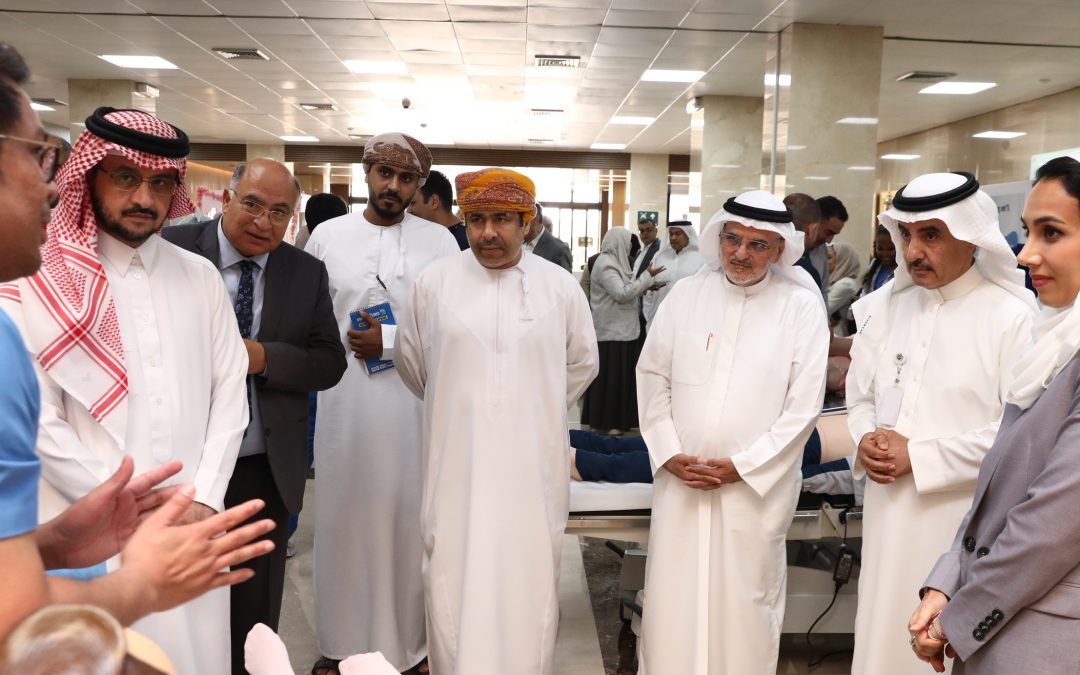
The Medical Skills and Simulation Centre at Arabian Gulf University (AGU) organised its Medical Simulation Day exhibition in conjunction with Healthcare Simulation Week, which is annually celebrated in September. This year's theme "United Through Simulation" draws awareness to the vital role of simulation in enhancing healthcare safety and efficiency through innovative education and training methods.
Academic staff, medical and nursing students, and healthcare professionals engaged with interactive booths displaying the latest simulation devices, medical education techniques, and live demonstrations of realistic clinical scenarios within a safe environment. Participants explored advanced simulation equipment, information systems, and the educational theories underpinning simulation-based learning, aimed at refining their clinical skills and supporting sound decision-making in various medical situations.
Dr Ghazi bin Abdulrahman Al Otaibi, Vice President for Academic Affairs and Scientific Research, highlighted the significance of the event, stating, "Medical simulation is a nascent and continually evolving science that leverages technology and simulation devices, such as mannequins, to enhance the competence of students and healthcare workers in performing complex procedures. These mannequins replicate human interventions without risking patient safety, allowing learners to practice and perfect their skills through repeated trials. This risk-free environment is a cornerstone of effective medical education."
Dr Reem Al Ansari, Head of the Medical Skills and Simulation Centre, explained that Healthcare Simulation Week is an international initiative to raise awareness regarding the growing role of simulation in improving healthcare quality and provider performance through continuous, realistic training. She noted that the event featured extensive student participation in simulations covering various medical scenarios, including emergency situations, cardiopulmonary resuscitation, and the usage of high-resolution models. The event also stressed the importance of effective communication among medical teams and students outside traditional lecture settings.
The exhibition underscored the critical role of medical simulation as a multifunctional tool for enhancing healthcare quality and safety, reducing medical errors, and integrating advanced technology into medical education. It also acknowledged the collaborative efforts of biomedical engineers, nurses, educators, coordinators, and support staff, highlighting teamwork as the key to excellence at the Simulation Centre.
Medical Simulation Day included three interactive training workshops: “Simulation Escape Room” a fun and interactive experience for medical students; an interdisciplinary educational workshop featuring collaborative problem-solving on simulated medical cases, marking the first such joint activity for medical and nursing students in Bahrain; and “Professionalism and Communication” targeting non-medical staff such as administrative, HR, and finance personnel, demonstrating how simulation enhances teamwork and communication skills.
These workshops utilised virtual reality and smart models to provide practical scenarios, share the best practices, and foster innovation in healthcare delivery and collaboration. The initiatives aimed to expand participants' understanding of healthcare processes and improve their skills through immersive, technology-driven experiences.
by ashokaib | Sep 17, 2025 | Uncategorized
Orientation has commenced for new students at the College of Medicine and Health Sciences at Arabian Gulf University (AGU) for the academic year 2025-2026. This comprehensive program aims to equip Gulf students accepted into the preparatory and first-year Doctor of Medicine program with the necessary knowledge and confidence e to begin their academic and medical journeys. Academic activities are set to start next Sunday.
His Excellency Dr Saad bin Saud Al Fuhaid, President of AGU, expressed pride in attracting a distinguished cohort of Gulf students who will play vital roles in advancing healthcare services and development sectors across the GCC. Since its founding, the university has been driven by a vision to serve as a unifying platform for Gulf students, fostering shared identity and strengthening academic, medical, and research collaboration within the region.
Dr Al Fuhaid encouraged the new students to represent their countries with honour, stressing the importance of camaraderie which defines the university's spirit, stating: "During the orientation period, you will learn about all academic and support services offered by the university. It is essential that you remain committed to your studies while actively participating in scientific research and student activities. These elements are crucial in shaping doctors capable of leading change and making a meaningful impact."
The orientation and guidance program included a series of introductory sessions, starting with a welcome speech by the Dean of Student Affairs, Dr Aseel Al Saleh. She underscored the Deanship's commitment to supporting students through a conducive university environment that promotes knowledge, growth, and service.
Students also engaged in presentations by Mr Ahmed Al Saei, Head of the Student Activities Unit, and Ms Aisha Al Subaie, Head of the Student Welfare and Housing Unit. They received information about the Deanship’s supportive role, conduct regulations, and the variety of activities and services available to students.
Dr Somaya Yousif, Head of the Institutional Communications Unit, outlined the university's vision, mission, and strategic goals, sharing upcoming initiatives aimed at supporting student academic journeys. She reminded students that, upon enrolling at AGU, they become ambassadors of their home countries, responsible for reflecting and upholding its core values.
Mr Hussam Abu Rahma, Systems Administrator at the Information Technology and Cybersecurity Centre, demonstrated the electronic services available to students. Meanwhile, Ms Fatima Shukri, Quality Specialist at the Quality and Excellence Centre, discussed the importance of quality assurance and continuous assessment in fostering the university’s development.
In the same vein, Mr Hussain Al Fardan, Library Specialist, introduced students to the array of educational resources and services offered by the library. Essa Al Kaabi, an administrator in the Services Department discussed the services designed to facilitate students’ integration into university life and promote an enriching learning environment. The university’s ongoing efforts to improve facilities, including housing, parking, and safe transportation, were also highlighted.
On the second day, Professor Masooma Al Aali, Student Counsellor at the Deanship of Student Affairs, delivered a lecture titled “Challenges Facing New Students and the Role of Academic Counselling” which addressed the academic and psychological challenges students may face early in their university life. Dr Amina Abdulrahman Yousif, Head of the Department of Pathology, spoke about the significance of academic counselling throughout their studies.
Students then met with Mr Abdulhamid Marhoon, Director of Admissions and Registration, who reiterated the university’s commitment to providing a stimulating learning environment that promotes academic excellence and prepares students to contribute to regional healthcare. He explained academic regulations, course structures, and assessment methods.
The orientation also included a session with members of the Student Council to familiarise students with their roles in representing peers and organising campus events. They were introduced to the preparatory year program and its objectives. Furthermore, Mr Anthony Martinez from the e-Learning Unit discussed modern digital education technologies and initiatives aimed at enhancing interactive learning and ensuring high-quality e-learning experiences.
The program will conclude with meetings involving cultural attachés and representatives from GCC offices in the Kingdom of Bahrain, providing students with insights into the services and support available through their respective diplomatic channels.
by ashokaib | Sep 16, 2025 | Uncategorized
The Arabian Gulf University (AGU), in partnership with the Embassy of the Kingdom of Saudi Arabia in the Kingdom of Bahrain, is organising an intellectual symposium celebrating the late Arab thinker Dr Mohammed Jaber Al Ansari. The event will take place on Thursday from 10:00 am to 12:00 noon at the Prince Abdulaziz bin Fahd bin Abdulaziz Al Saud Hall at the Princess Al Jawhara Al Ibrahim Centre on the AGU campus.
The symposium comes as a tribute to Dr Al Ansari’s scholarly, intellectual and cultural contributions, and in honour of his academic legacy at AGU as one of the most prominent Arab intellectuals in modern times. It aims to highlight Dr Al Ansari’s role in developing academic programmes at the university, as well as his wide-ranging contributions to enriching intellectual and cultural movements in the Arab world.
His Excellency Dr Saad bin Saud Al Fuhaid, President of the Arabian Gulf University, stated: “This symposium, organised by AGU in collaboration with the Embassy of the Kingdom of Saudi Arabia in Bahrain and the Mohammed Jaber Al Ansari Centre, marks an important milestone in honouring pioneering Gulf and Arab intellectuals. It reflects AGU’s loyalty to the pioneers who left an enduring impact on its journey and reaffirms its role in supporting intellectual and cultural endeavours across the Arab world.”
He added that the symposium represents an opportunity to revisit the legacy of the late Dr Al Ansari, who helped shape an advanced cultural discourse through his thought.
The symposium will be moderated by Prof. Waleed Zubari, Dean of the College of Education, Administrative and Technical Sciences at AGU, and will feature a select group of speakers who were personally and professionally connected with Dr Al Ansari. The first speaker will be his daughter, Ms Hala Al Ansari, Advisor to His Majesty the King for Cultural and Scientific Affairs, who will deliver an address titled “In the Presence of Mohammed Jaber Al Ansari: A Journey of a Father, Academic and Intellectual” focusing on his human and familial side.
This will be followed by Prof. Riyad Yousif Hamzah, President of the Royal University for Women, with a talk titled “When Thought Becomes a Civilisational Bridge: A Professional and Human Journey from Collegial Work to the Echo of the Translation Project”.
Her Excellency Shaikha Mai bint Mohammed Al Khalifa, Chairperson of the Board of Trustees of the Shaikh Ebrahim bin Mohammed Al Khalifa Centre for Culture and Research, will then present an address titled “A Tale of Thought and Memory: Dr Al Ansari as I Knew Him and as My Father and Grandfather Knew Him”.
Concluding the panel, Saudi critic and intellectual Professor Dr Saad Al Bazei will deliver remarks on “Dr Al Ansari’s Pan-Arab Thought: A Reading of His Journey and Role as an Arab Intellectual”. The symposium will end with an open discussion with the audience to exchange views and ideas on Dr Al Ansari’s intellectual legacy and the topics presented during the session.