by ashokaib | Sep 16, 2025 | Uncategorized
The Arabian Gulf University (AGU) is implementing a capacity-building programme targeting young Saudi professionals working in the water sector. The programme comprises eight training courses focused on integrated water resources planning and management, as well as the applications of emerging technologies and artificial intelligence (AI) for water management, aiming to train 150 participants from various Saudi water authorities. The training programme seeks to contribute to the sustainability of water resources and ensure a secure water future by investing in national talents and enhancing institutional empowerment efforts.
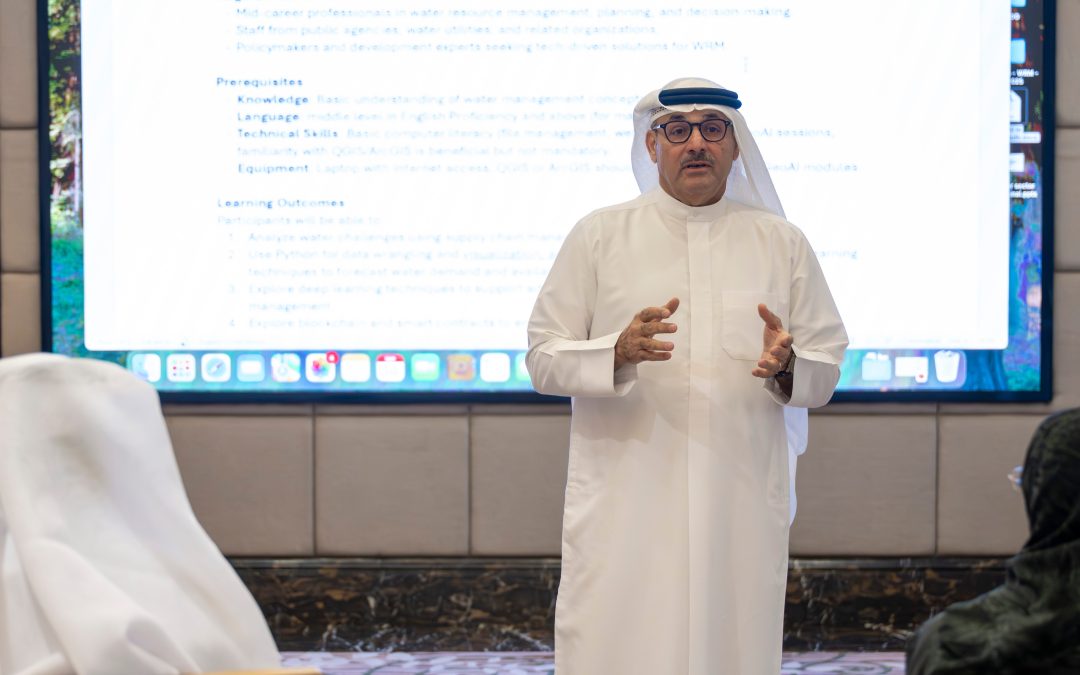
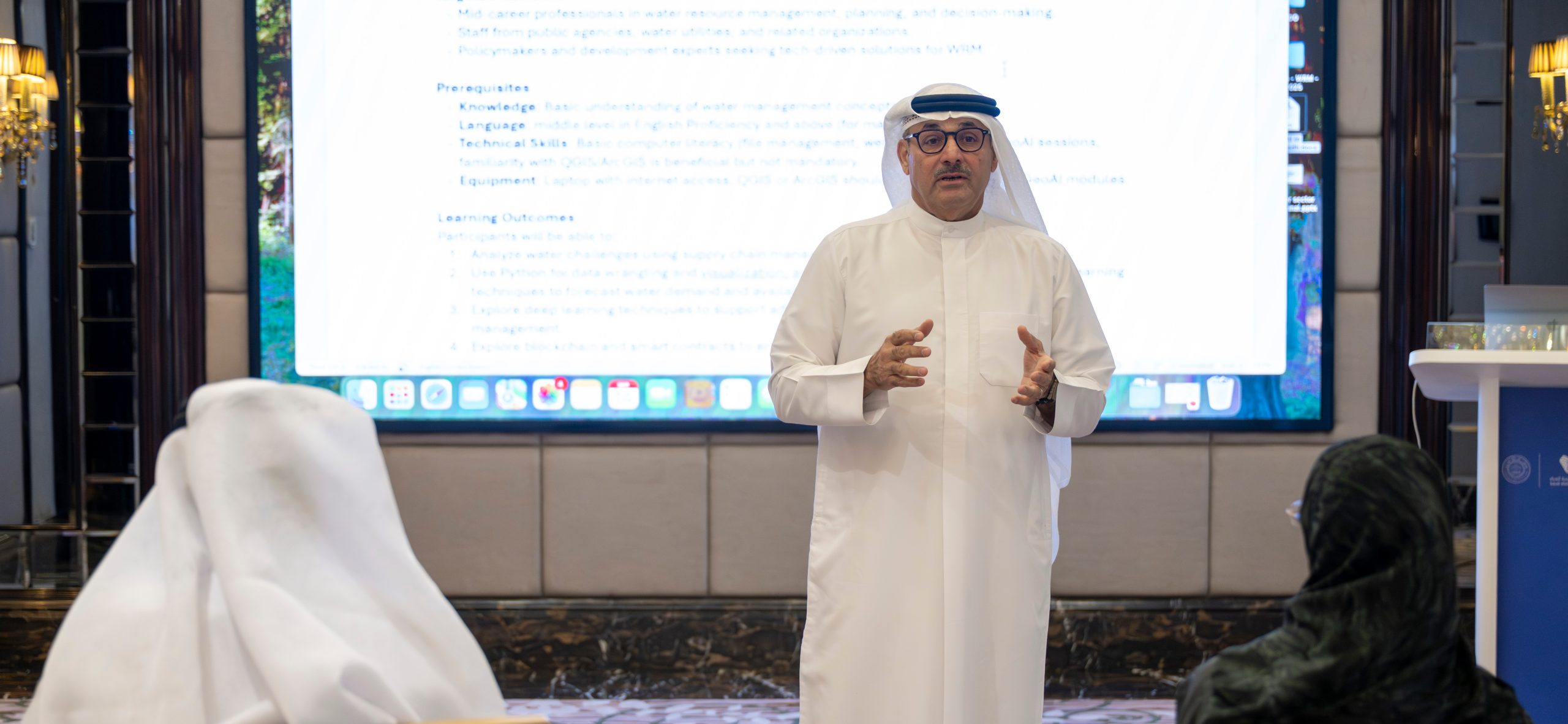
As part of this programme, an academic team from AGU’s Environmental and Life Sciences Centre and the Department of Computing delivered the first training course entitled “Applications of Emerging Technologies and Artificial Intelligence for Sustainable Water Resources Management” from September14–17, 2025, with the participation of 20 young Saudi professionals from different water-related sectors.
The academic team delivered the course in an interactive format combining theoretical knowledge with practical applications. The training covered key issues and challenges facing the water sector in the Kingdom of Saudi Arabia and explored potential solutions. It highlighted the role of emerging technologies, such as AI, the Internet of Things (IoT), blockchain, quantum computing and smart geographic information systems, in contributing to these solutions, while showcasing best regional and global practices in this field and explaining the data requirements and sound methodologies needed for effective implementation.
Prof. Waleed Khalil Zubari, Professor of Water Resources at AGU and the course coordinator and trainer, stated: “This partnership and the associated training workshops represent a scientific collaboration to qualify cadres capable of ensuring a sustainable water future. It is an important practical step towards building the capacities of professionals from Saudi Arabia and other GCC states in emerging technologies, particularly AI and its various applications, which enhance the efficiency and sustainability of the water sector. These technologies are increasingly and rapidly being integrated into the sector for analysis, optimisation, forecasting and guidance.”
He added: “In this and upcoming workshops, we are moving from theory to practical implementation, equipping the participants, who represent the future leaders of the water sector, with the necessary tools to implement smart, sustainable and resilient water resources management systems, thereby contributing to securing our future water safety.”
This collaboration comes as part of AGU’s partnership with Gulf governmental agencies to support sustainable development, facilitate knowledge transfer and enhance the efficiency of national cadres in alignment with Saudi Vision 2030. The training was delivered by Prof. Zubari, Professor of Water Resources and Dean of the College of Graduate Studies, Education and Administrative and Technical Sciences at AGU, Prof. Adel Bouhoula, Head of the Department of Computing and Professor of Computer Science, Cybersecurity and Artificial Intelligence at AGU, Dr Al Shibani, Associate Professor in Digital Manufacturing and Artificial Intelligence in the United Kingdom, and Dr Manaf Al Khuzaai, Postdoctoral Researcher specialising in GIS applications, Artificial Intelligence and Modelling.
The training workshop was designed to address the unique water challenges of the region by equipping participants with advanced skills in emerging technologies. It included hands-on sessions led by experts from AGU and global specialists in water and computing, with a focus on the practical application of AI, GeoAI (geospatial artificial intelligence), IoT, blockchain and quantum computing. The workshop concluded with a strategic forum during which participants developed applicable proposals and action plans to address water challenges in their workplaces using emerging technologies.
by ashokaib | Sep 14, 2025 | Uncategorized
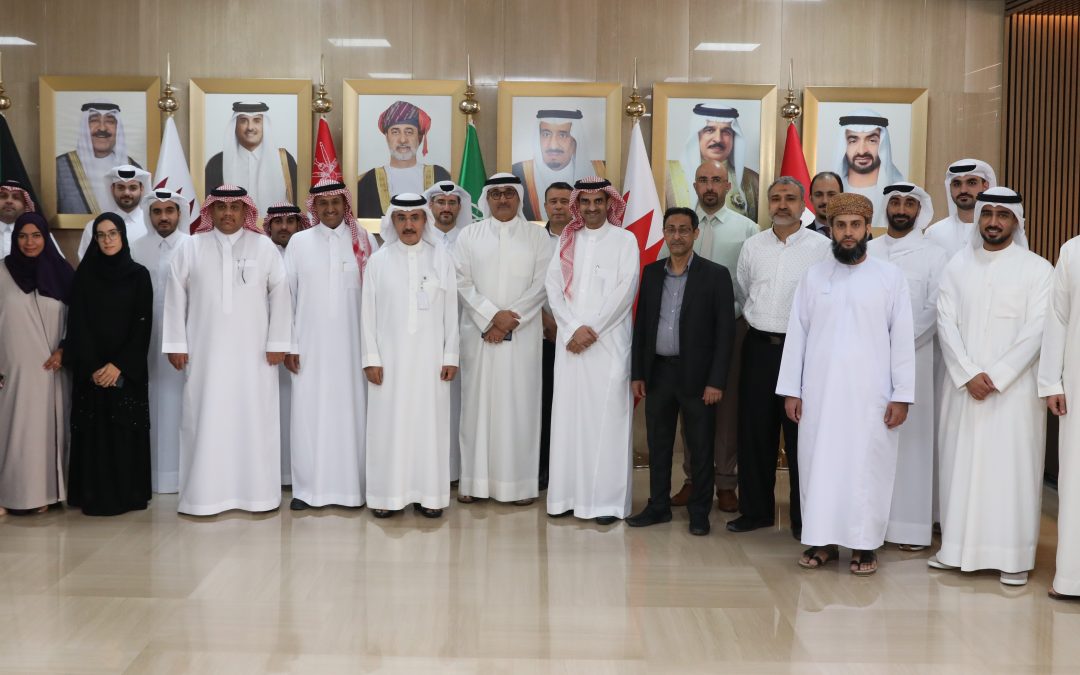
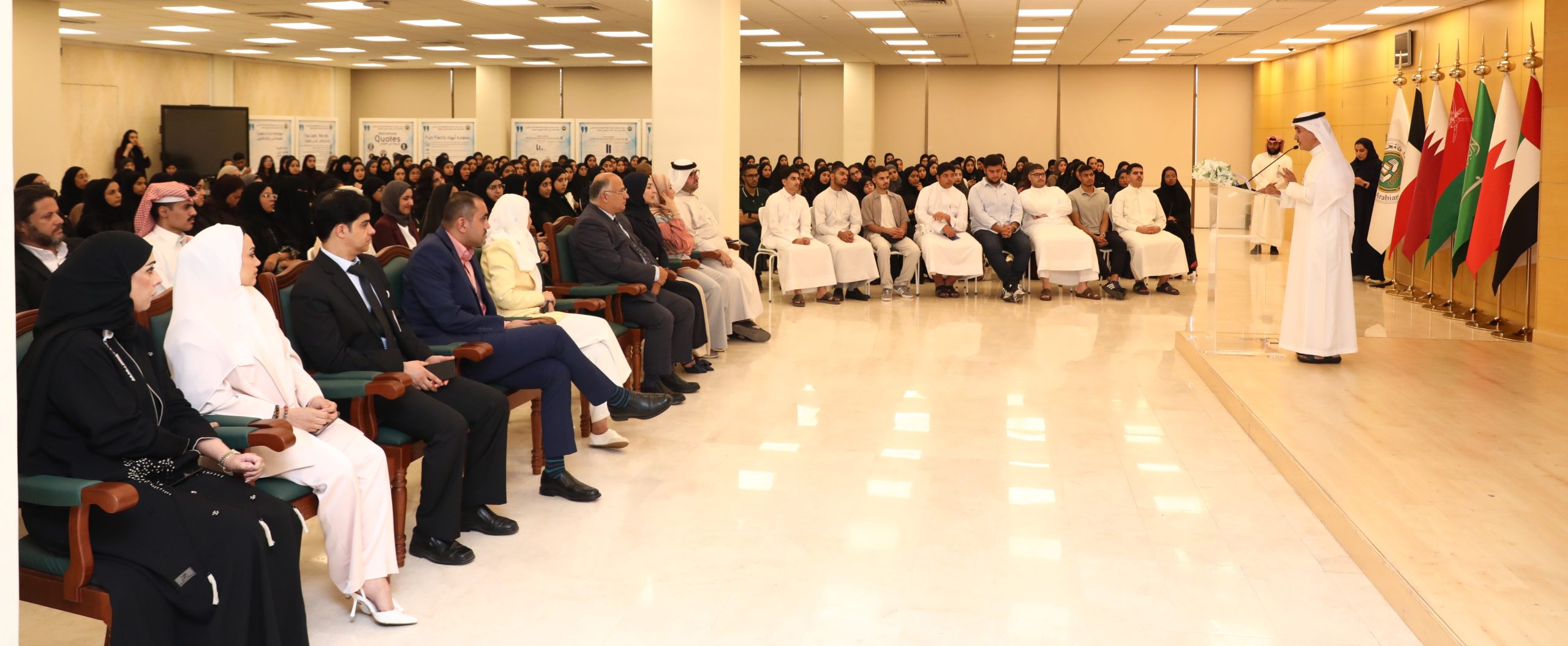
The Arabian Gulf University (AGU) has concluded a training workshop organised in partnership with the General Secretariat of the Gulf Cooperation Council (GCC) under the title “Emerging Technologies for the Sustainable Management of Water Resources in the GCC Countries”, which saw the participation of 22 specialists working in the water sector across the GCC.
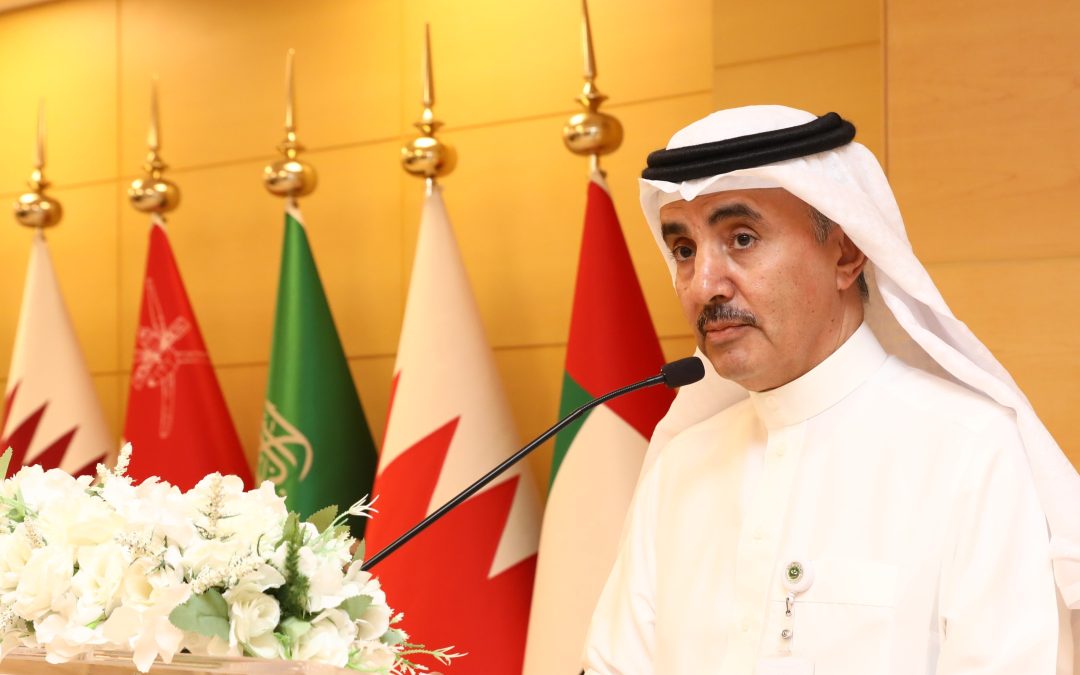
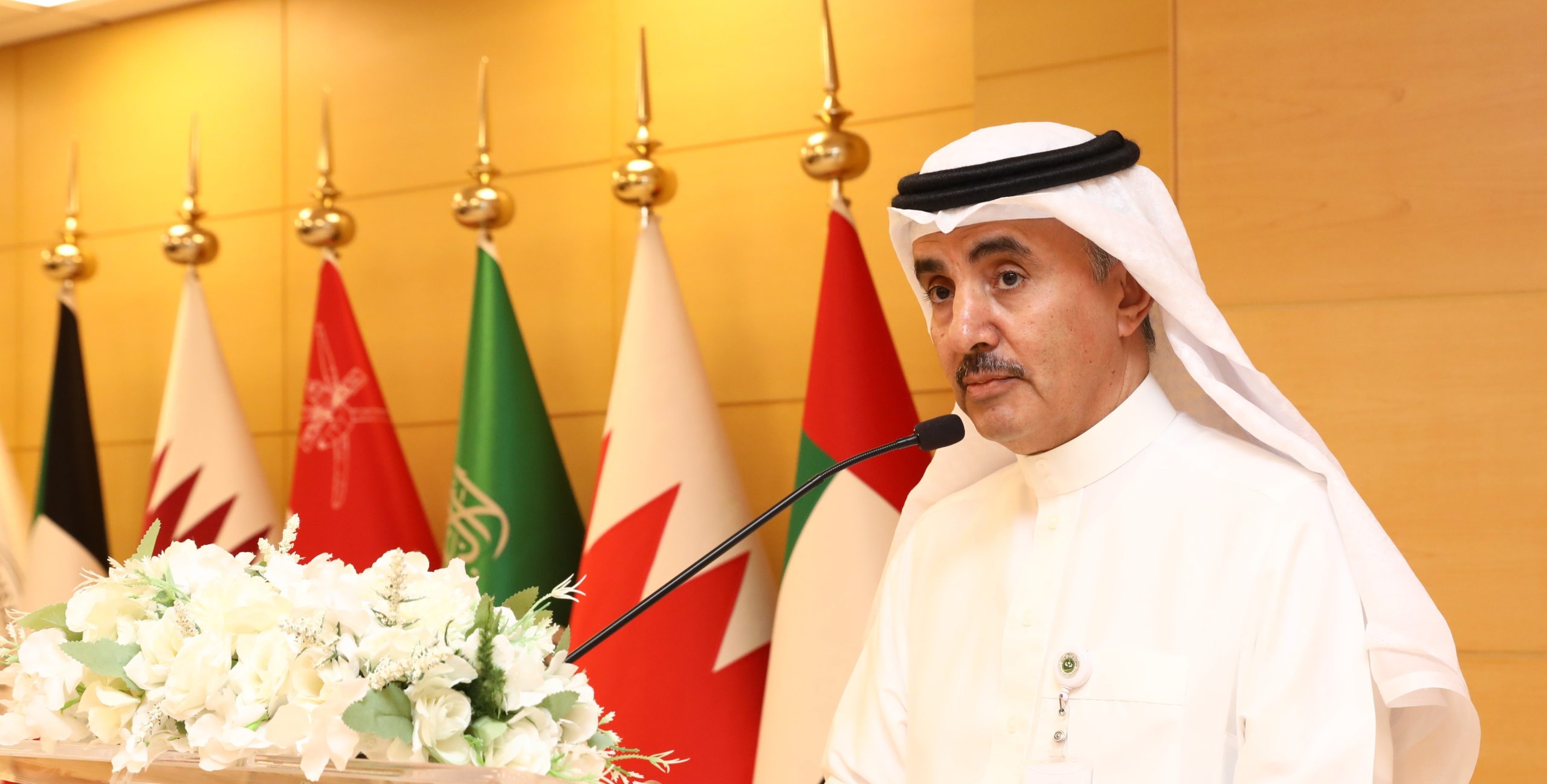
During his meeting with the workshop participants, His Excellency Dr Saad bin Saud Al Fuhaid, President of the Arabian Gulf University, stated: “The Arabian Gulf University serves as a Gulf centre of expertise that brings together a distinguished group of scientific talents, and stands as a successful model of regional cooperation. Through its partnerships and initiatives, the university contributes to steering the energy and creativity of young talents towards innovation, fostering critical thinking as a driving force for sustainable development, especially in vital sectors such as water. This workshop is a practical example of this approach, which combines science and technology to serve the future of the region.”
The workshop formed part of the joint training programme between the GCC General Secretariat and AGU aimed at enhancing the capacities of specialists in the water sector. It was the third workshop within this programme, which includes a series of specialised courses designed to support water security across the GCC.
The workshop featured intensive training sessions that explored the applications of AI, GeoAI (Geospatial Artificial Intelligence), the Internet of Things (IoT), blockchain technology, and quantum computing in the field of water resources management. These sessions were delivered by a group of prominent local and international experts in water and technology.
At the conclusion of the workshop, participants presented practical proposals and preliminary plans for applying emerging technologies to address the water challenges facing their countries, focusing on achieving efficiency, enhancing sustainability and building resilient smart water management systems. These included encouraging investment in emerging technologies related to water management, especially AI and IoT, to develop smart solutions for consumption forecasting and improving distribution efficiency.
They also called for bolstering regional cooperation among GCC countries to exchange expertise and best practices in applying modern technologies in the water sector, and for launching ongoing training programmes to build the capacities of national workforces in mathematical modelling, AI, and geographic information systems (GIS) related to water.
In addition, they emphasised the importance of supporting joint scientific research in the field of emerging water technologies, establishing open research platforms to develop solutions tailored to the region’s needs, and integrating smart technologies into national water policies and strategies across the GCC to ensure alignment between technology and long-term planning.
by ashokaib | Sep 14, 2025 | Uncategorized
The Arabian Gulf University (AGU) has concluded its orientation and induction programme for new students enrolled in the Bachelor of Science in Nursing offered by the College of Medicine and Health Sciences, now in its second consecutive year. The two-day orientation wrapped up ahead of the official start of classes, which commenced this Sunday morning.
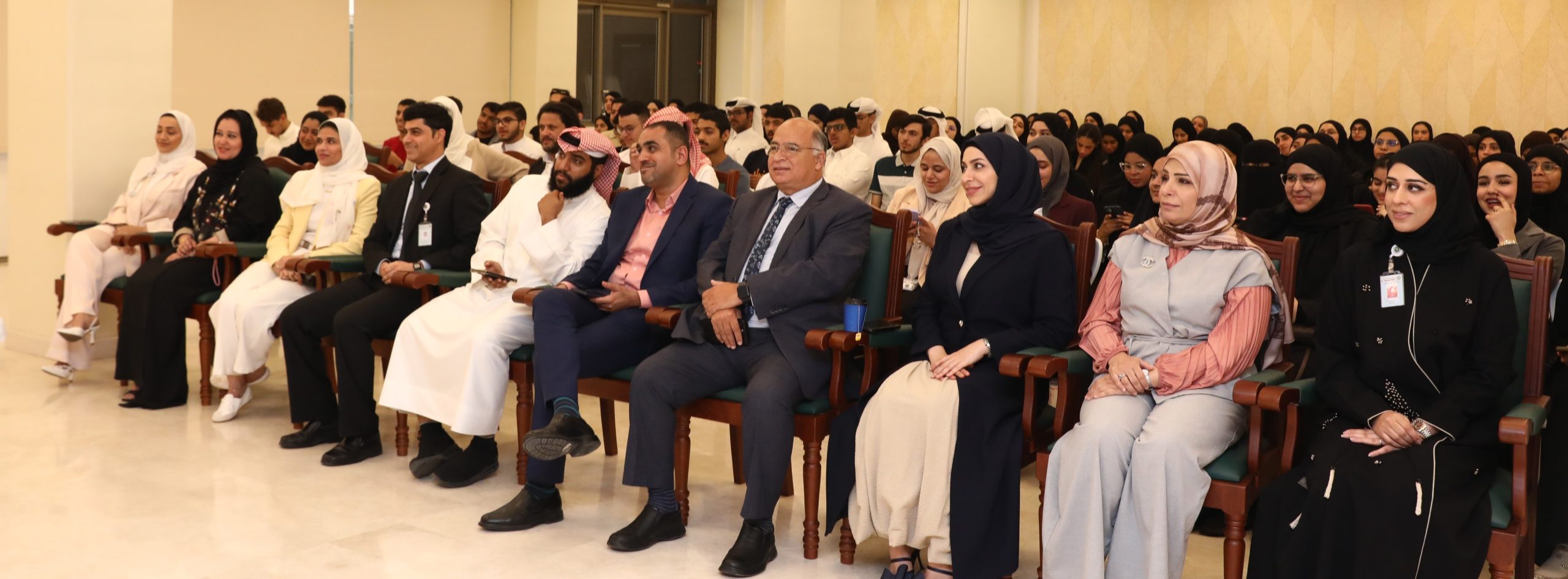
During the orientation days, the new students met with His Excellency Dr Saad bin Saud Al Fuhaid, President of AGU, who welcomed the incoming students from the Kingdom of Bahrain and the Kingdom of Saudi Arabia. He affirmed that the success of this academic programme reflects the University’s commitment to advancing the healthcare education sector and meeting the growing demands of the labour market in the field of healthcare.
In his remarks, Dr Al Fuhaid stated: “AGU takes great pride in our new students who will go on to contribute to raising the standards of nursing and medical services across the Kingdom and the wider region. The success of this programme, which was launched last year, marks a prominent milestone in the University’s journey, which has enjoyed the trust of the Kingdom of Bahrain’s wise leadership for over four decades, contributing to its strong academic and regional standing. We welcome all proposals, initiatives and ideas from our students.”
The first day of orientation included introductory sessions during which Prof. Abdelhalim Deifallah, Dean of the College of Medicine and Health Sciences, stressed that the curriculum aligns with the latest international standards and focuses on person-centred care, which enhances the quality of healthcare in Bahrain and the Gulf region.
Dr Hawazen Al Rawas, Head of the Programme, outlined the academic requirements for completing the four-year course, emphasising the importance of commitment and discipline for academic success. She praised the students’ enthusiasm and readiness to embark on their university journey in the field of nursing, describing the programme as a valuable addition to the healthcare education system in the GCC region that will prepare its graduates to play key roles in advancing healthcare services.
The new students were also introduced to the various services and support units available to them, including the Deanship of Student Affairs. They met Dr Aseel Al Saleh, Dean of Student Affairs, and listened to presentations by Mr Ahmed Al Saei, Head of the Student Activities Unit and Student Council, and Ms Aisha Al Subaie, Head of the Student Welfare and University Housing Unit, who highlighted the role of the Deanship in supporting students, the University’s conduct regulations, and the range of activities and services offered.
Meanwhile, Dr Somaya Yousif, Head of the Institutional Communication Unit, then presented the University’s vision, mission and strategic objectives, providing an overview of the Unit’s aspirations and future initiatives in partnership with students. This was followed by a briefing by Ms Athraa Al Alawi, Library Director, and Mr Hussain Al Fardan, Library Specialist, on the services offered by the library.
Mr Hussam Abu Rahma, Systems Administrator at the Information Technology and Cybersecurity Centre, also outlined the digital services available to students and how to utilise them effectively, while Ms Fatima Shukri, Quality Specialist at the Centre for Quality and Excellence, discussed the importance of quality in higher education institutions and its impact on students’ academic and professional futures, highlighting the role of continuous evaluation in advancing the University’s journey.
On the second day, Ms Masooma Al Aali, Student Counsellor at the Deanship of Student Affairs, delivered a lecture titled “Challenges Facing First-Year Students and the Role of Academic Counselling”, which addressed the academic and psychological challenges students may face early in their university life, and emphasised the role of guidance and counselling in overcoming these challenges and achieving academic success.
Dr Amina Abdulrahman Yousif, Head of the Department of Pathology, then spoke about the importance of academic counselling throughout the years of study, followed by Mr Abdulhamid Marhoon, Director of Admissions and Registration, who confirmed that the Bachelor of Nursing is a four-year programme aimed at graduating national cadres equipped with strong leadership, research and clinical competencies. He affirmed AGU’s commitment to providing a stimulating and comprehensive learning environment that ensures student success and excellence, while enhancing their opportunities to contribute effectively to the future of healthcare in the region.
by ashokaib | Sep 11, 2025 | Uncategorized
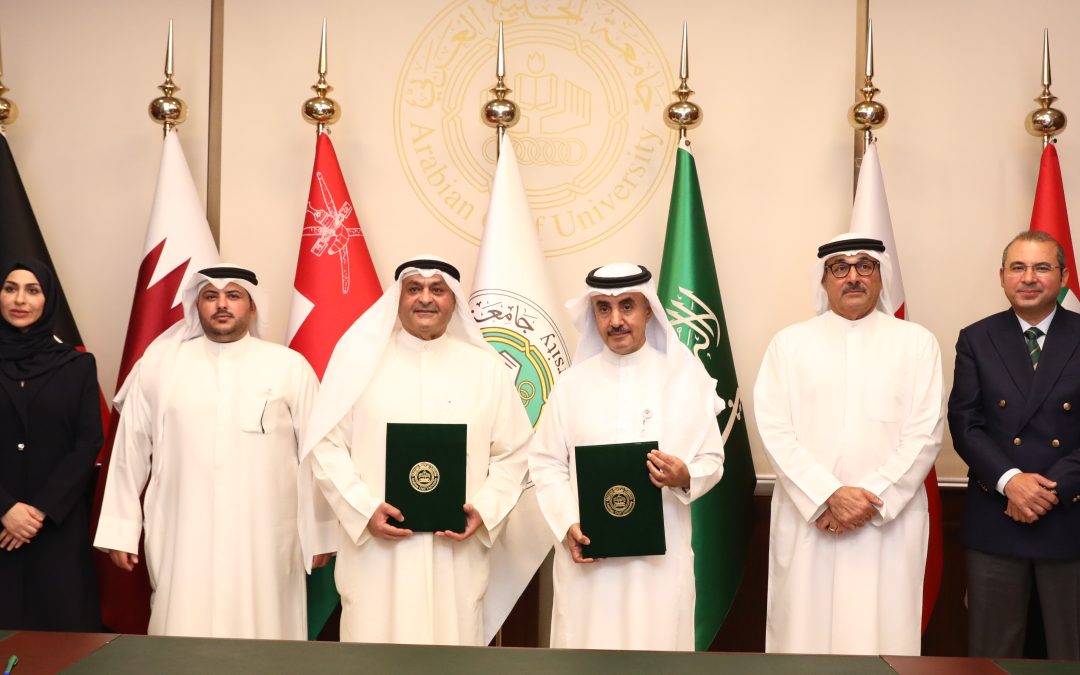
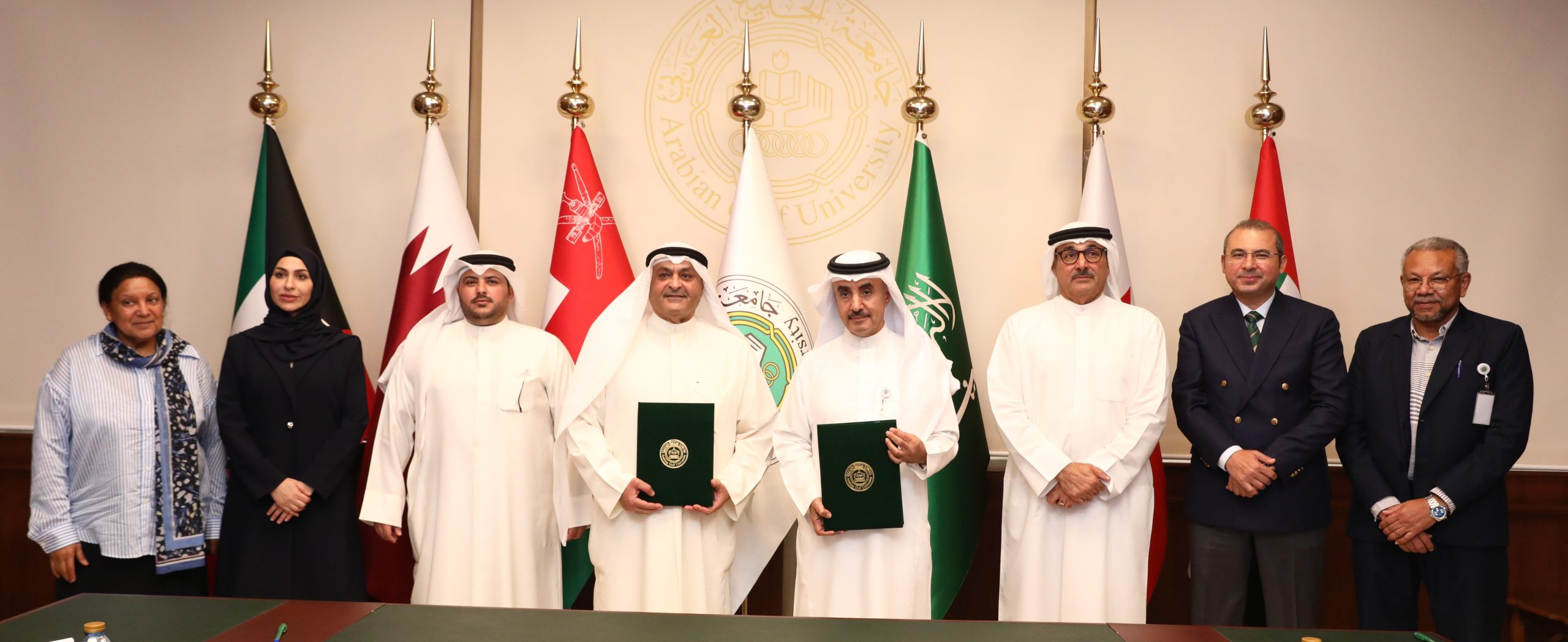
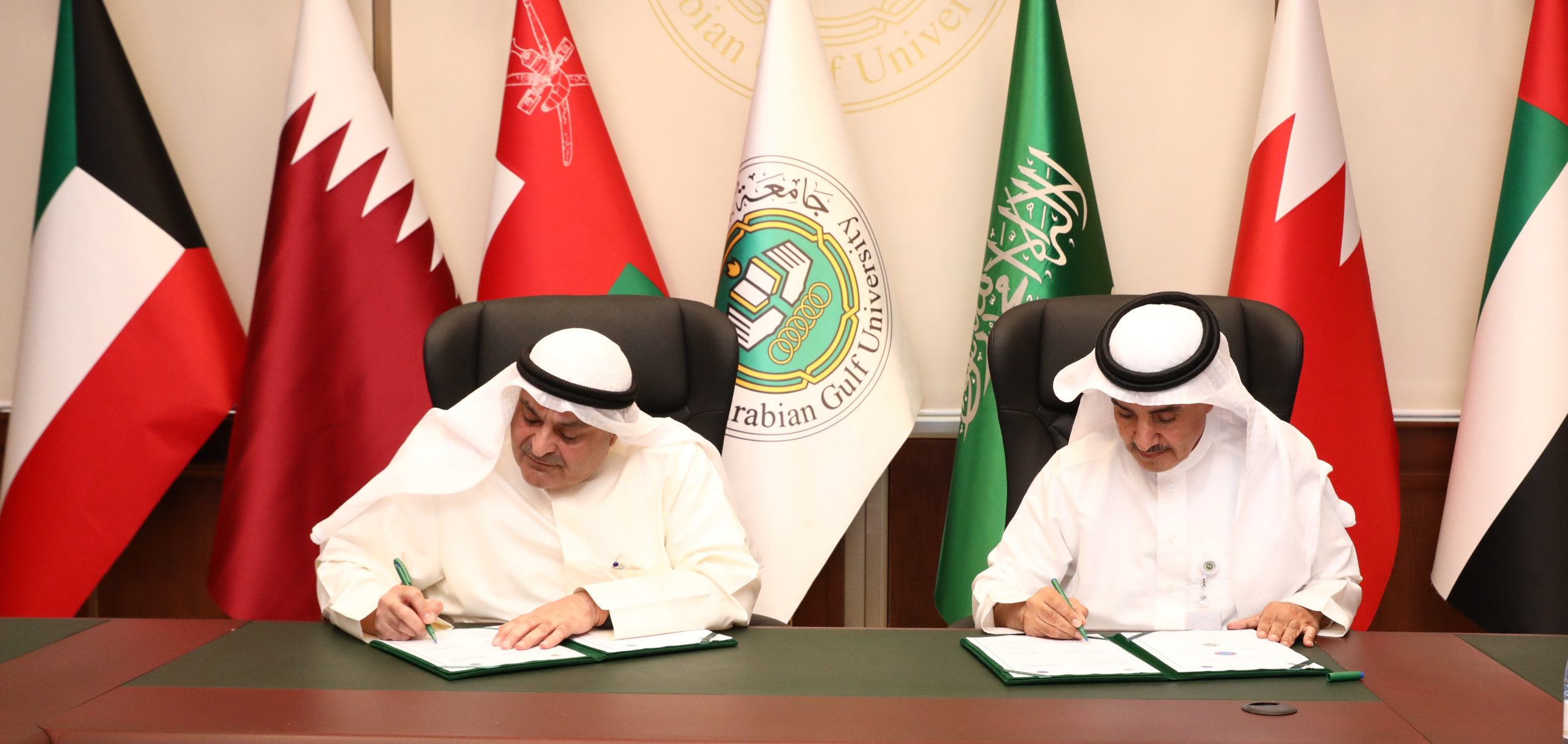
The Organisation of Arab Petroleum Exporting Countries (OAPEC) and the Arabian Gulf University (AGU) have signed a Memorandum of Understanding (MoU) aimed at strengthening joint cooperation in the fields of education, scientific research and technical development within the energy sector. The agreement reflects the commitment of both parties to support sustainable development and build scientific and technical capacities across member states.
The MoU was signed by His Excellency Engineer Jamal Issa Al Loughani, Secretary General of OAPEC, and His Excellency Dr Saad bin Saud Al Fuhaid, President of AGU, at the Dr Abdullah Al Rifaie Hall on the University campus.
The MoU seeks to establish a framework for collaboration between the two parties in various areas, including scientific research, the organisation of conferences, seminars, and workshops, exchange of expertise and information, implementation of specialised training programmes, and the provision of technical consultations. Particular focus will be given to environmental issues, innovation, and green technologies in the petroleum industry.
Areas of cooperation also include preparing joint studies and research projects in the fields of energy, environment, and development; supporting innovative and outstanding initiatives through scientific competitions and awards; exchanging scientific and technical publications and information; collaboration in executive education and postgraduate studies; and promoting events and activities of mutual interest through the media platforms of both parties. Furthermore, the agreement encompasses mutual access to digital libraries and the exchange of modern knowledge resources.
Commenting on the signing, Dr Al Fuhaid said: “This MoU represents a qualitative step towards strengthening partnerships between higher education institutions and regional entities specialising in the energy sector. Collaboration with a distinguished organisation such as OAPEC will help guide scientific research towards advancing sustainable energy and environmental development in the Arab world, while creating promising opportunities for capacity-building and knowledge exchange with leading experts and specialists in this vital field.”
For his part, Eng. Al Loughani noted that this step reflects the commitment of both OAPEC and AGU to building strategic partnerships that serve the development priorities of Arab countries, by leveraging knowledge and modern technologies to enhance energy sector efficiency and safeguard the environment.
by ashokaib | Sep 10, 2025 | Uncategorized
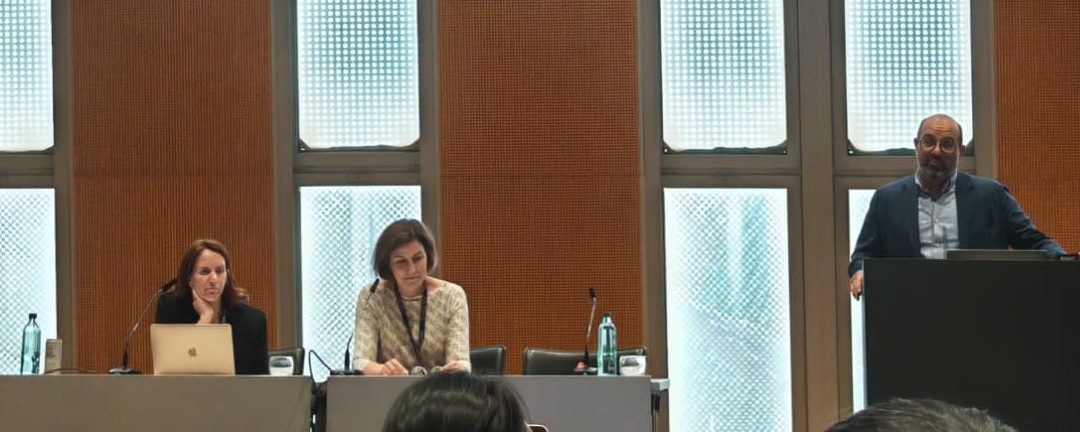
The Clinical Master’s Programme in Family Medicine at the Arabian Gulf University (AGU) has received international recognition after presenting its innovative mentorship model at the Association for Medical Education in Europe (AMEE) International Conference on Medical Education, recently held in Barcelona.
Prof. Mohamed Hany Shehata, Professor of Family Medicine at the College of Medicine and Health Sciences, presented a scientific paper on the programme’s research, for which the primary author was Dr Fatima Habbash, Assistant Professor of Family and Community Medicine at the College, Senior Consultant in Family Medicine, and Lifestyle Medicine Specialist.
Launched in April 2020, the programme was designed with a system based on regular data collection and analysis to ensure long-term success and sustainability. It features a multi-level mentorship system, with a ratio of one academic mentor to every five trainees. This component, which has won international acclaim, has become a cornerstone of the Master’s programme and a model for providing academic guidance and psychological support to trainees.
Among the programme’s key innovations highlighted at the conference was the use of an organised electronic dashboard to track multiple key performance indicators for each trainee. This enabled the immediate collection and analysis of data, the early identification of challenges faced by trainees, and the delivery of timely and personalised interventions.
The study’s findings revealed that the programme was effective in identifying several challenges, the most prominent being time management, alongside other psychological, social and health-related issues. Thanks to the system, the academic committee was able to provide tailored interventions, such as psychological support and the use of high-fidelity simulation techniques to strengthen training. A A total of 12 trainees (15% of the total cohort) were identified as being at risk. Through carefully designed interventions, 50% of them were able to graduate on time, while the others successfully completed the programme thereafter.
The study confirmed that data-driven mentorship and monitoring programmes are essential to ensuring the success of medical postgraduate trainees. It also demonstrated the importance of sound governance, effective leadership and teamwork in sustaining excellence across medical education programmes.
The programme continues to implement this system for new cohorts through its academic committee and a team of mentors and trainers drawn from Family Medicine consultants in primary healthcare centres across the Kingdom of Bahrain.