by ashokaib | Jul 15, 2026 | Uncategorized
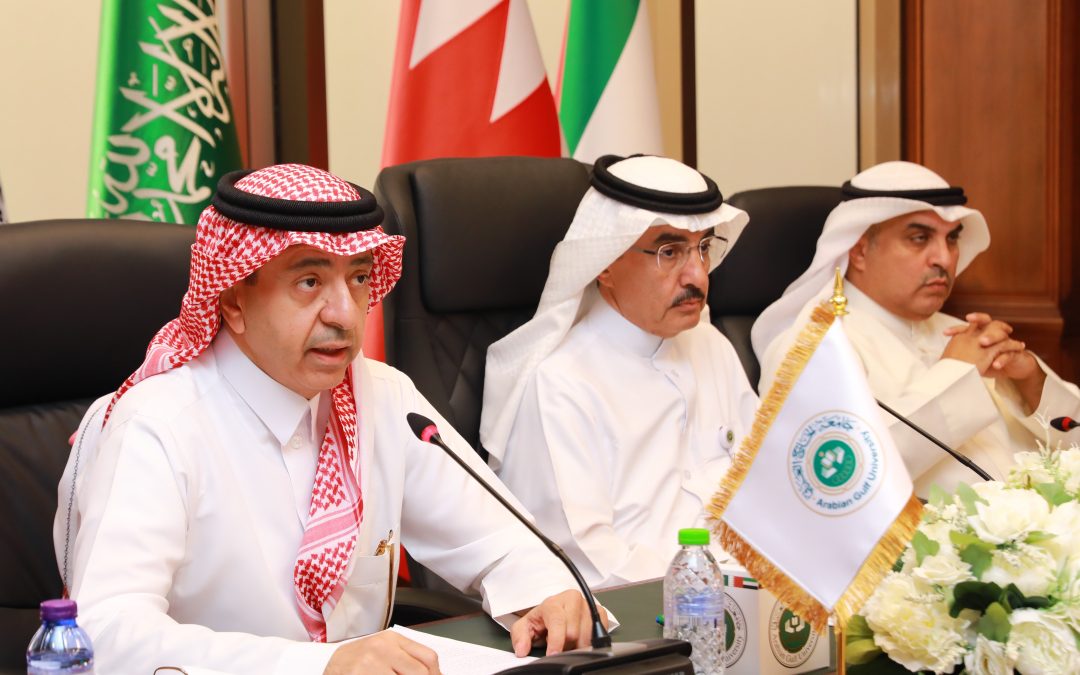
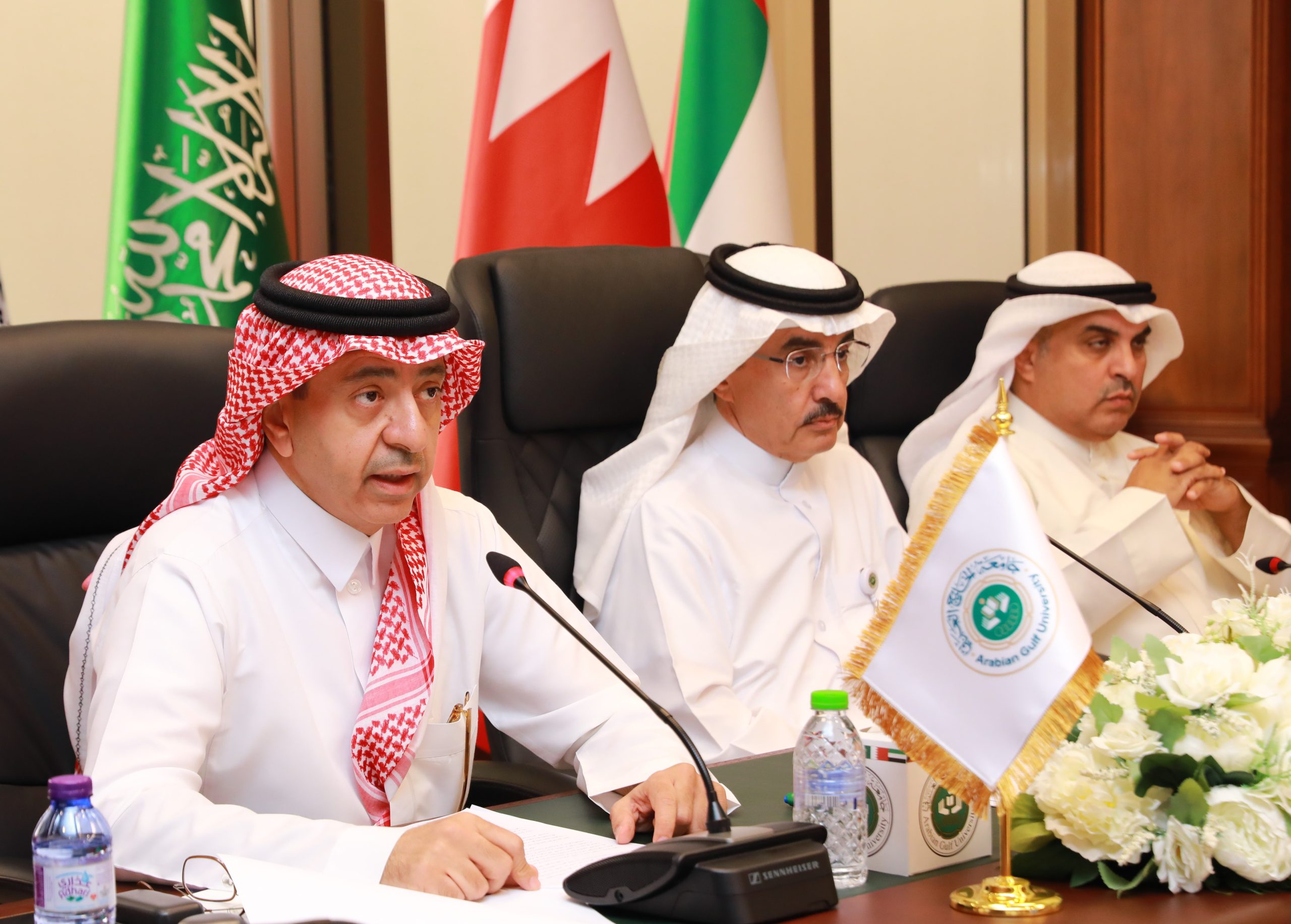
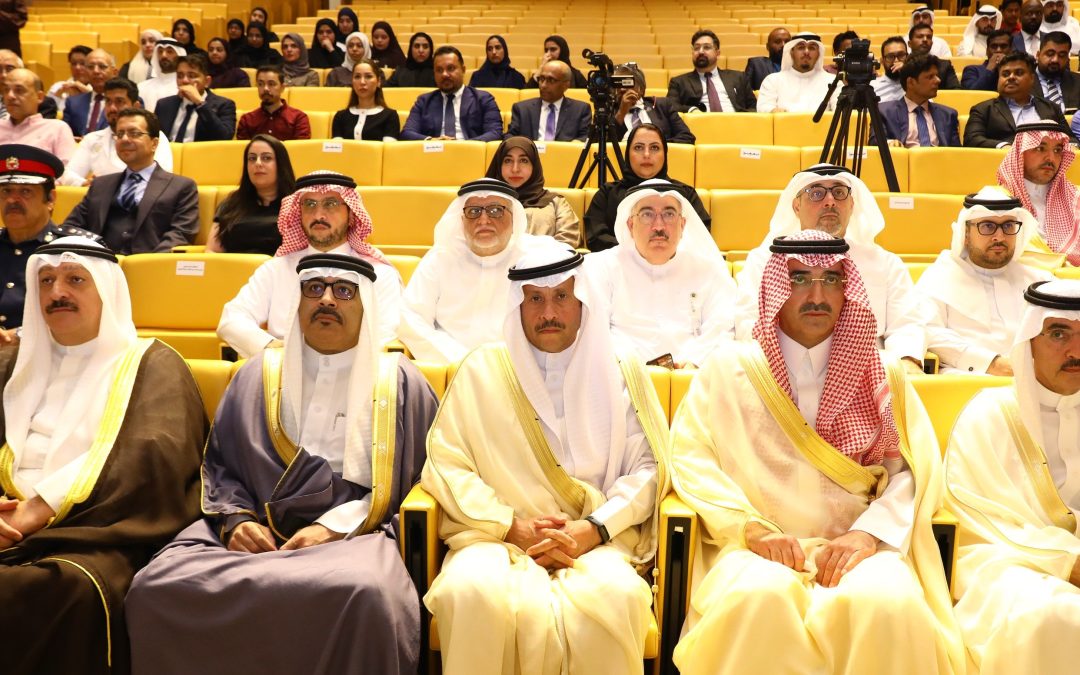
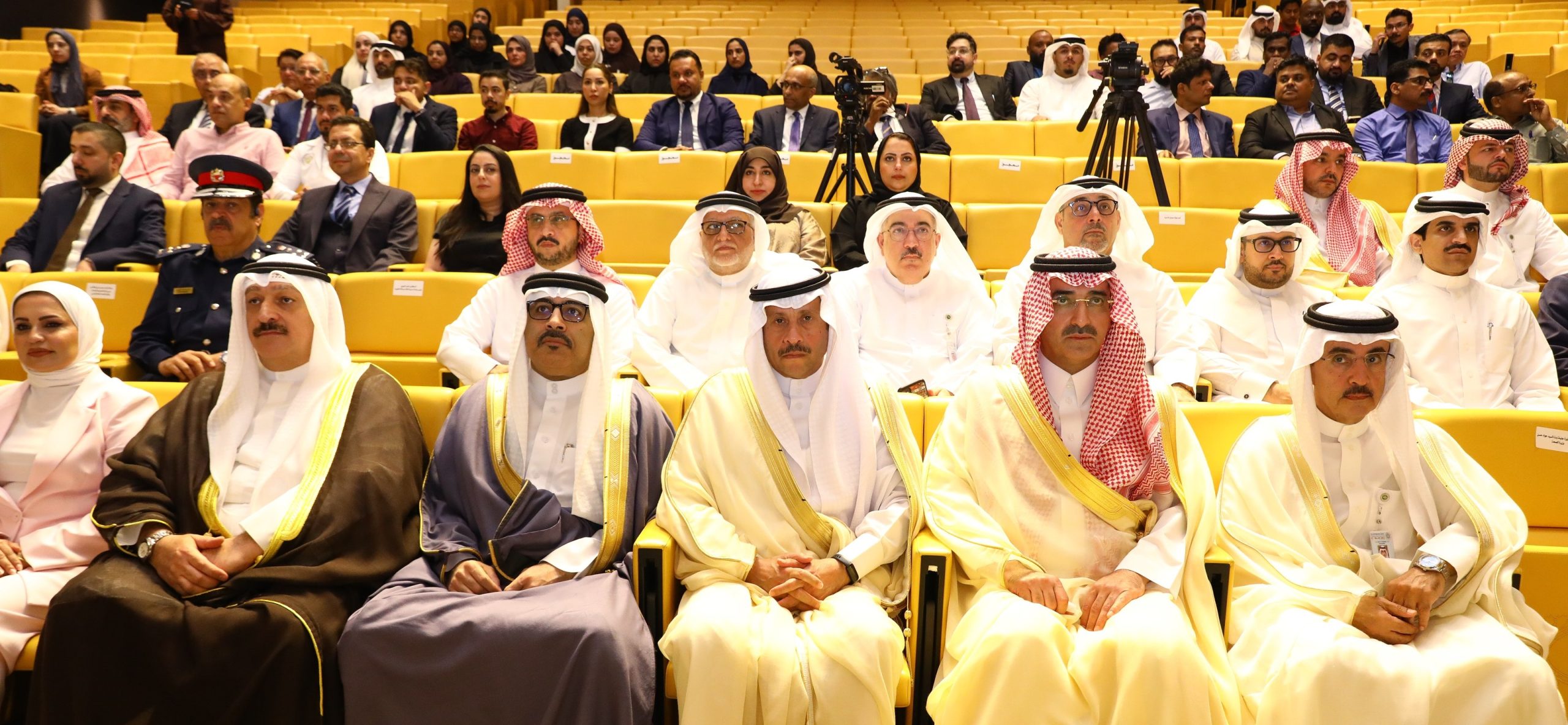
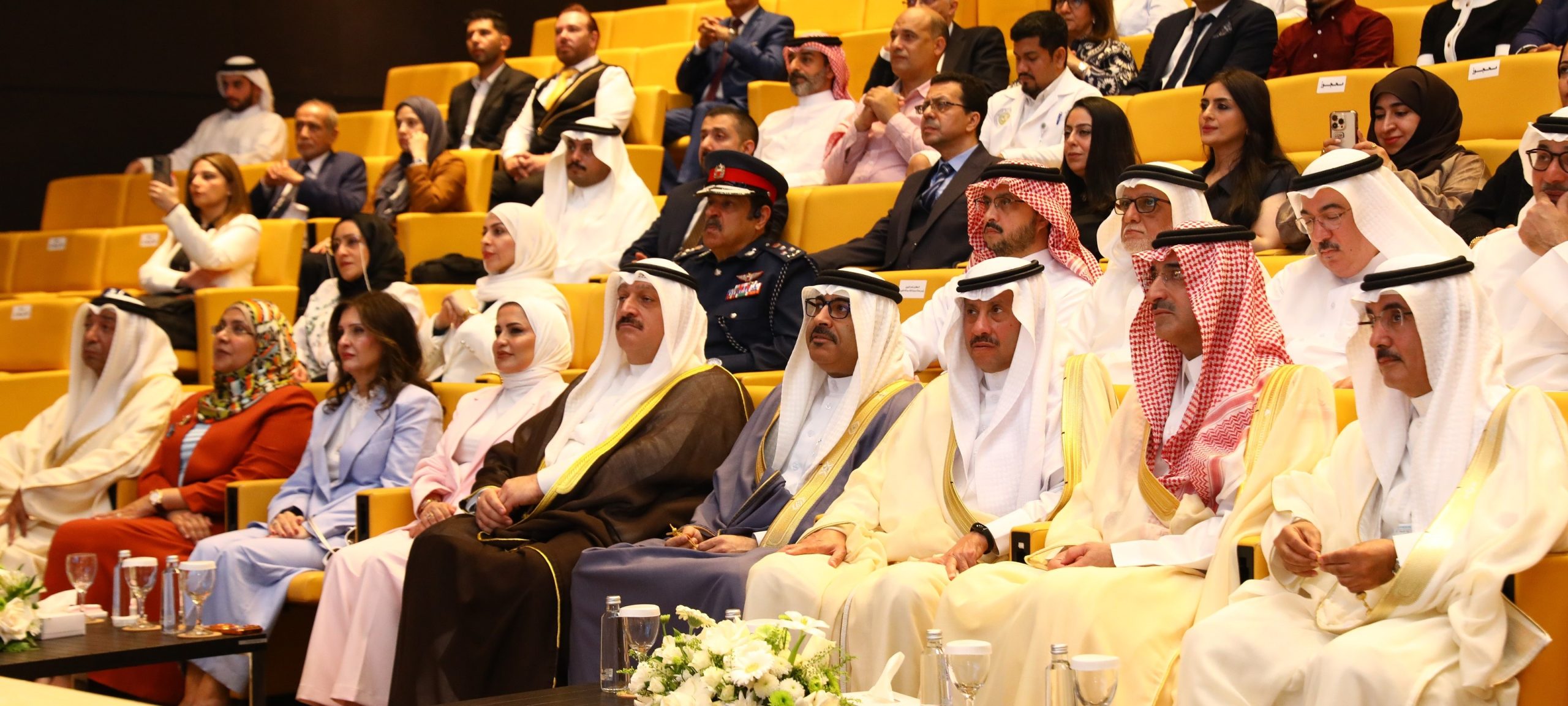
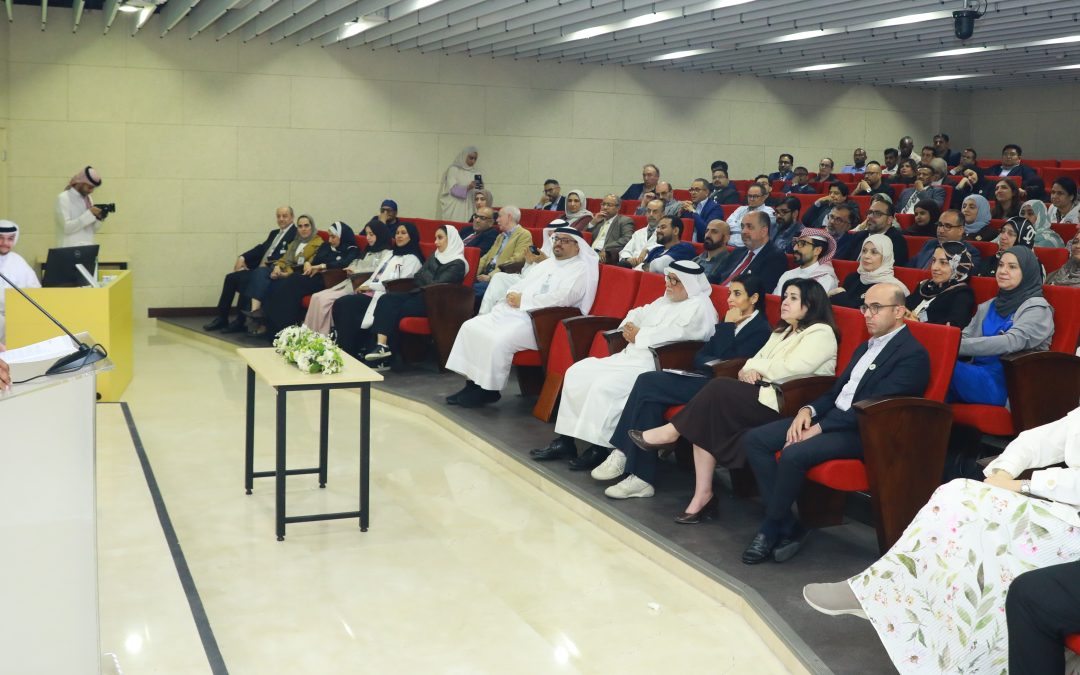
A workshop examining options and projects for water interconnection among the Gulf Cooperation Council (GCC) member states has begun at Arabian Gulf University, as part of the implementation of the directives issued by the GCC leaders at the 19th Consultative Meeting of the Supreme Council, held in Jeddah last April, which aim to strengthen water security in the Gulf region and establish an integrated and sustainable system for water resource management.
The workshop, titled “Study on the Feasibility of Constructing Water Interconnection Projects Among GCC Member States,” was attended by representatives from the Gulf Cooperation Council (GCC) member states, as well as experts and specialists in the water sector, to discuss the prospects for developing water interconnection projects and their role in enhancing water security in the Gulf region.
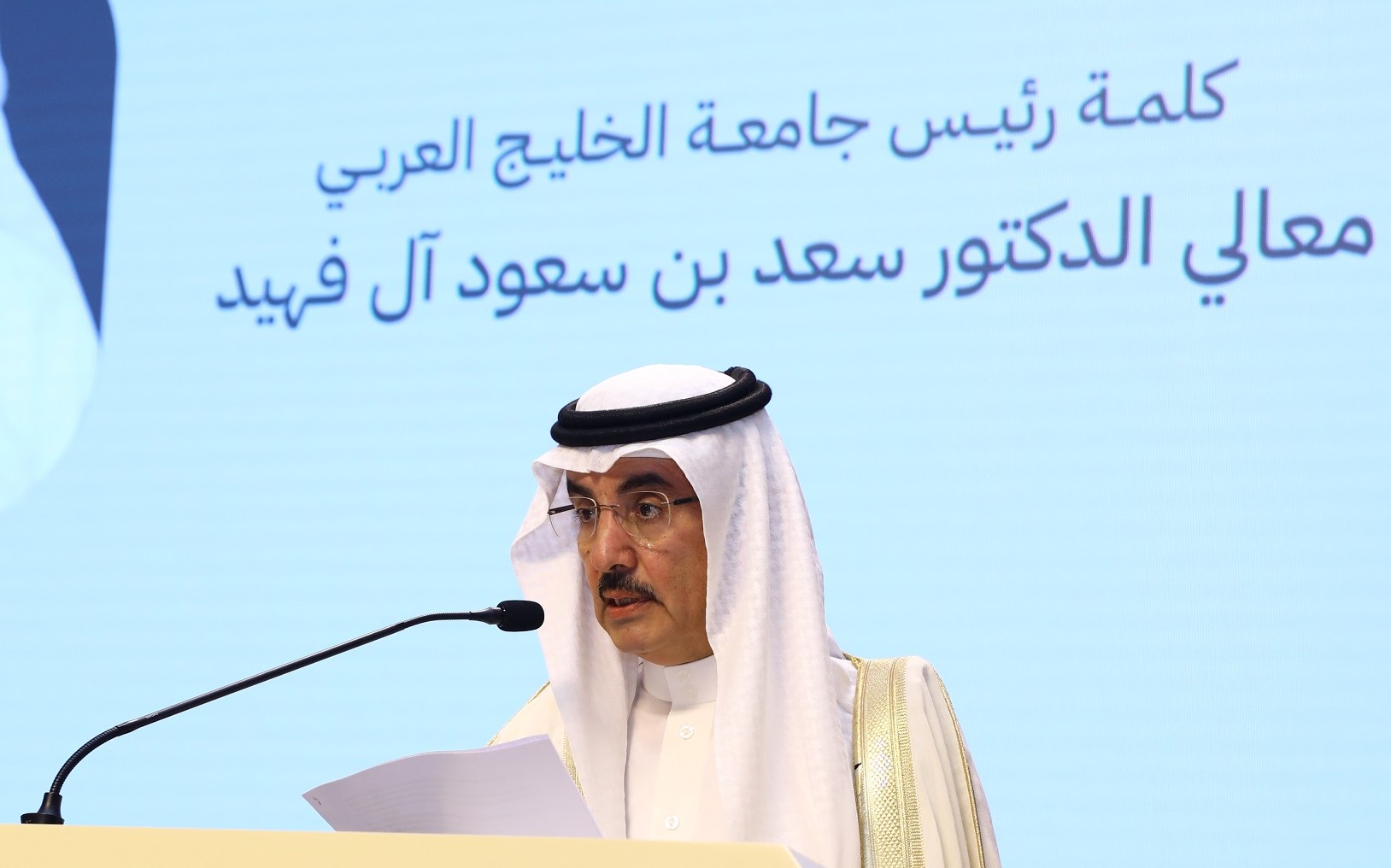
His Excellency Dr. Saad bin Saud Al-Fahaid, President of the Arabian Gulf University, opened the workshop, welcoming the participants and congratulating them on the convening of the workshop, which brings together a select group of experts and specialists working in the water sector across GCC countries to discuss one of the strategic issues related to water security in the region. He emphasized that water interconnection projects represent a key pillar of joint GCC efforts.
Al-Fahaid noted that, over the past decades, the GCC countries have devoted significant attention to developing their water infrastructure and enhancing the reliability of water supplies, which has resulted in significant achievements that have placed the GCC countries among the world’s most advanced nations in providing drinking water services in terms of quantity, quality, and reliability. He explained that the accelerating challenges facing the region—and the accompanying potential risks that could affect water sources and critical water infrastructure—require continued joint GCC efforts and strengthened regional cooperation in the field of water security, in line with the directives of Their Majesties and Highnesses, the leaders of the GCC countries.
At the same time, he emphasized that discussions on water interconnection projects represent one of the strategic options that can contribute to enhancing resilience and preparedness to address emergency situations, in addition to their role in exchanging expertise and building a shared Gulf vision for future cooperation in this vital field.
He added: “The Arabian Gulf University, as an academic institution established by the GCC member states to serve common development issues, is proud to serve as a platform for scientific and technical dialogue on strategic issues of concern to the region, and to contribute its academic and research expertise in support of integration and cooperation efforts among GCC member states”. He expressed his hope that the discussions and practical expertise of the participants would deepen understanding of the topic of water interconnection and help develop a clear framework for future studies and possible options to strengthen the Gulf’s water security system, and he hoped that the workshop would produce outcomes and recommendations that support the process of Gulf cooperation in this vital sector.
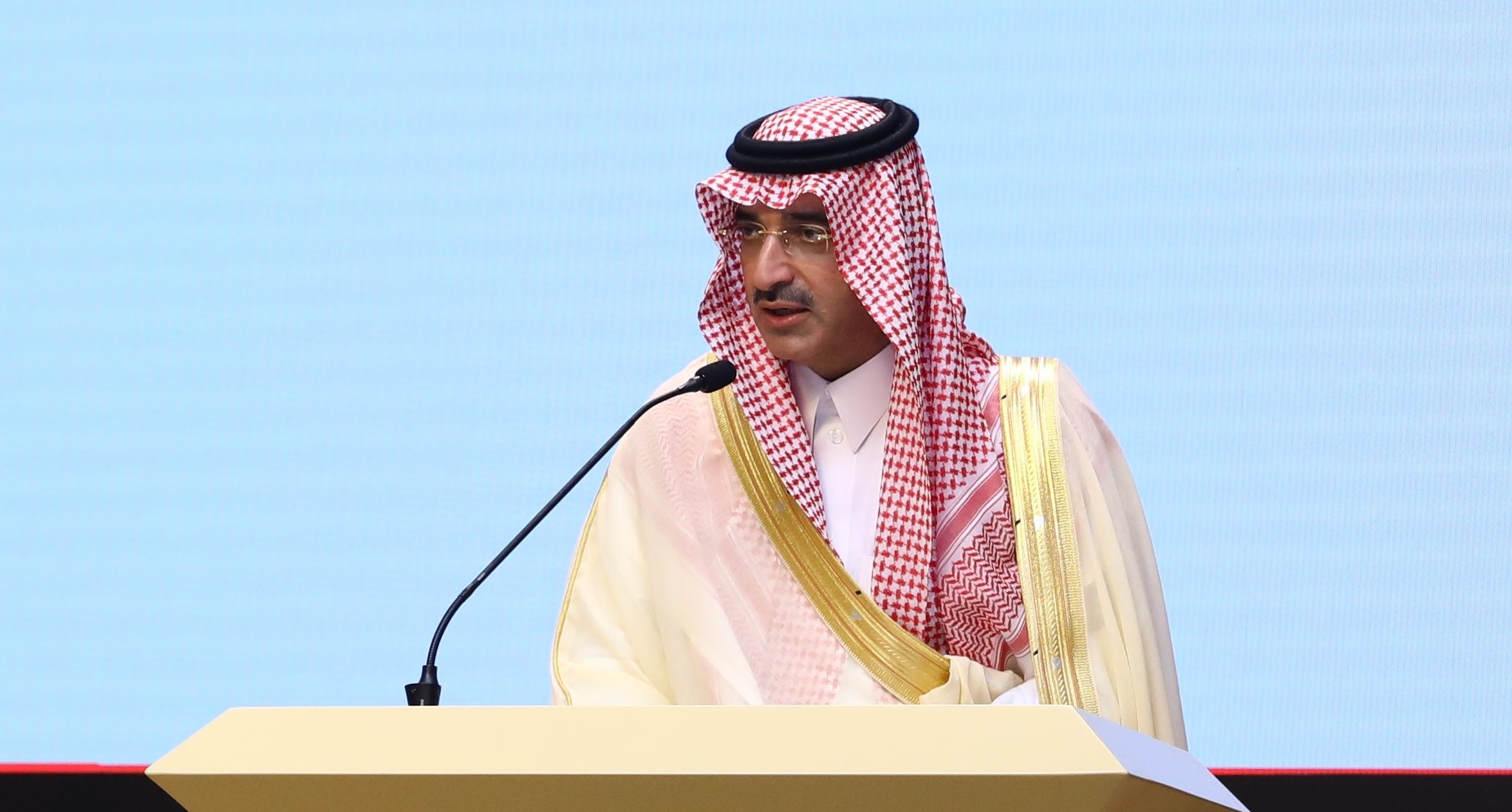
For his part, Mr. Khalid Al Al-Sheikh, Director General of the Office of Economic and Development Affairs and Deputy Chairman of the Supreme Committee for Following Up on the Implementation of the Decisions of the 19th Consultative Meeting of the Supreme Council, began his remarks by offering his sincere condolences and sympathies to His Highness Sheikh Tamim bin Hamad Al Thani, the Amir of the State of Qatar, on the passing of His Highness the Amir, Sheikh Hamad bin Khalifa Al Thani, may he rest in peace. He also conveyed the greetings of His Excellency the Secretary-General of the Gulf Cooperation Council and his wishes for the success of the workshop and for it to produce a practical vision that contributes to enhancing water security and sustainability in the GCC states.
In his opening remarks, he emphasized that the workshop represents a pivotal milestone in the process of enhancing water security in the Gulf, as it aims to move from the stage of theoretical studies and general concepts to the stage of developing practical options and clear implementation pathways for water interconnection projects, taking into account the capabilities and infrastructure available in member states, and capitalizing on their accumulated technical and operational expertise.
He explained that the study is based on a number of key areas, including an assessment of current production, transportation, and storage capacities as well as infrastructure in GCC member states, and the proposal of flexible implementation scenarios starting with feasible bilateral projects, then gradually expanding toward a comprehensive Gulf water interconnection system, as well as identifying the optimal routes for water transmission networks and the locations of pumping and storage stations to meet future needs and ensure the sustainability of supplies. He emphasized that the Gulf Water Interconnection Project represents an integrated strategic system for cooperation and solidarity among GCC member states, not merely a water transmission network, as it enhances joint preparedness and response capabilities in the face of emergencies and crises, including the failure of desalination plants, marine pollution, energy shortages, natural disasters, or cyberattacks, as well as addressing the expected increase in water demand resulting from population growth and development.
The workshop included a first panel discussion with representatives of member states to assess the current status of water interconnection projects, review possible scenarios and options, discuss governance and the institutional framework, and develop an implementation roadmap, while the second session featured a technical presentation by the consulting firm, followed by an interactive discussion on the data required from member states, in preparation for the project study.
Participants from GCC countries emphasized the importance of drawing on specialized Gulf expertise, exchanging technical and operational experiences, and comprehensively discussing the scope and methodology of the study. This will contribute to the preparation of a comprehensive study that includes practical recommendations and implementation options to support decision-making and pave the way for the establishment of a more flexible and sustainable Gulf water interconnection system, thereby enhancing water security and preserving the stability and prosperity of the GCC member states. At the same time, they expressed their appreciation for the efforts of the Arabian Gulf University in hosting and organizing this meeting, which reflects the leading role the university plays as a Gulf academic and research institution that contributes to supporting joint Gulf initiatives and providing scientific solutions to developmental and strategic issues.
by ashokaib | Jul 14, 2026 | Uncategorized
Tomorrow, Wednesday, July 15, the Arabian Gulf University will host a workshop bringing together representatives of water-related agencies and institutions from the Gulf Cooperation Council (GCC) member states to explore the possibility of constructing water interconnection projects among GCC countries and to discuss one of the most important strategic issues related to enhancing water security in the GCC. This comes in accordance with the directives of Their Majesties and Highnesses, the leaders of the GCC countries, issued during the 19th Consultative Meeting held in Jeddah on April 28.
The meeting will review the current state of water infrastructure in the GCC, and the achievements made over the past decades in developing drinking water services, which have contributed to positioning the GCC member states among the world’s leaders in the reliability and efficiency of water supplies in terms of both quantity and quality. Participants will discuss scenarios and options for water interconnection among GCC member states, optimal technical and operational aspects, effective governance methods and institutional frameworks, and the financial sustainability of water interconnection projects among GCC member states.
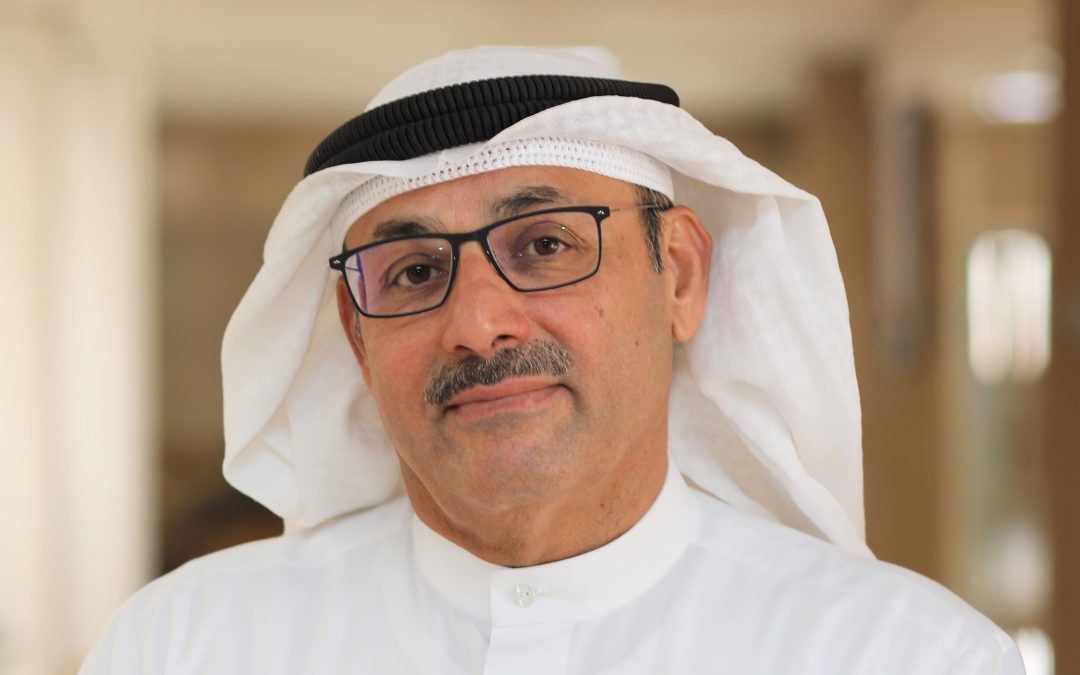
Professor Walid Zubari, Professor of Water Resources Management at Arabian Gulf University, explained that the meeting will discuss water interconnection projects as one of the strategic options that can help enhance preparedness and resilience in the face of emergencies, complement existing GCC member states’ plans for both emergency and normal situations, while also promoting the exchange of technical expertise among GCC member states and developing a shared Gulf vision for future cooperation in water resources management.
He noted that the Arabian Gulf University, as an academic institution established by the GCC member states to serve common development issues, is always keen to support Gulf efforts aimed at enhancing integration in vital sectors, foremost among them the water sector, by providing a scientific platform for dialogue and offering academic and research expertise that helps support decision-makers and enhance the sustainability of water security in the region.
by ashokaib | Jul 13, 2026 | Uncategorized
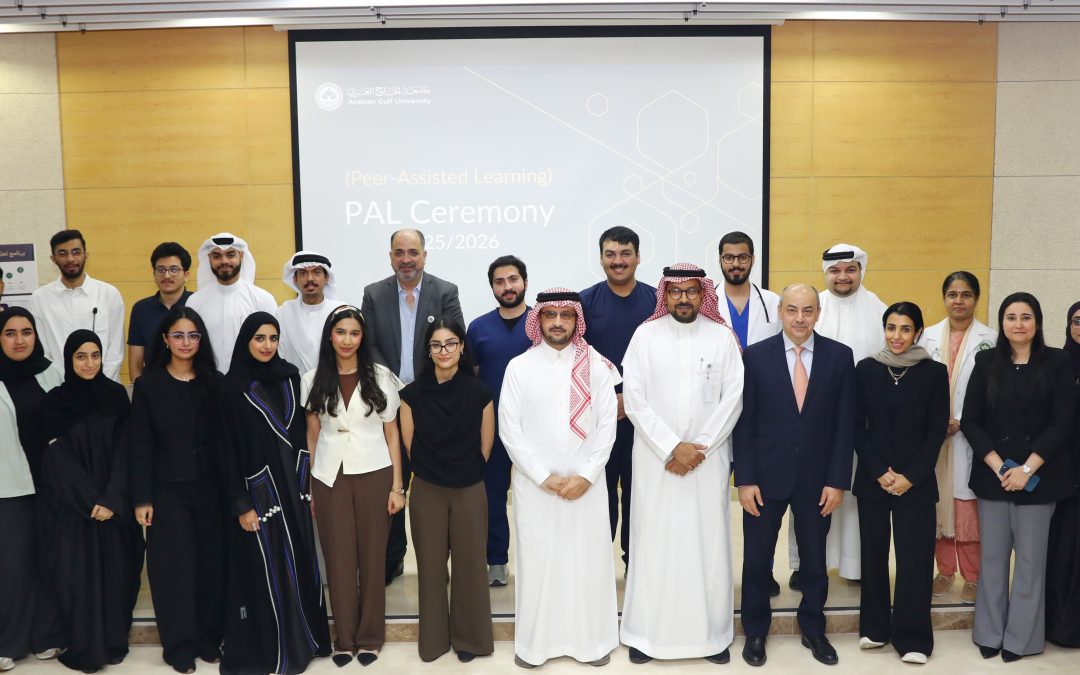
The Vice President for Academic Affairs and Scientific Research at Arabian Gulf University, Dr. Ghazi bin Abdulrahman Al-Otaibi, and the Dean of the College of Medicine and Health Sciences, Prof. Dr. Mohamed Saleh Madadin, honored the participants in the peer education program for students in the medicine and nursing programs at the College of Medicine and Health Sciences. The ceremony was organized by the Peer Education Program Committee, chaired by the Head of the Department of Medical Education, Dr. Mohamed Mustafa Al-Iraqi.
The program participants completed their training in accordance with specific standards set by the members of the Peer Education Program Committee, namely: Dr. Mohamed Mustafa Al-Iraqi, Head of the Department of Medical Education; Dr. Yahya Mohamed Najeeb, Head of the Department of Physiology; Dr. Hawazin Omar Al-Rawas, Head of the Nursing Program; Dr. Aseel Fouad Al-Saleh, Dean of Student Affairs; and Dr. Alaa Nabil Al-Mazni, Associate Professor in the Department of Internal Medicine.
The awards ceremony featured a brief presentation on the peer education program by the program committee head, Dr. Mohamed Mustafa Al-Iraqi, which included the program’s timeline. 35 student teachers were selected from among 57 students across various academic years, based on academic excellence and professional conduct. They were also trained in the basics of lecture planning, with personalized recommendations provided to each student to help develop their teaching skills.
The lectures were delivered both in person and remotely, with approximately 150 students from the Medicine and Nursing programs benefiting from the program over the past few months. The student teachers were also honored, particularly those who received significant praise from their peers. They are: Ali Ibrahim Abbas, a second-year student in the Bachelor of Nursing program, who received 53 evaluations from learners, and Maha Khalid Al-Binali, a fourth-year medical student, who received 41 evaluations from learners. Certificates were also distributed to students in the peer education program.
Dr. Ghazi bin Abdulrahman Al-Otaibi, Vice President for Academic Affairs and Scientific Research, and Prof. Dr. Mohamed Saleh Madadin, Dean of the College of Medicine and Health Sciences, reviewed the program’s future plans, which include establishing a digital platform to facilitate student-instructor interaction, schedule lectures, and gather learner feedback, as well as providing a dashboard for students that enables them to quickly connect with those wishing to register for lectures and share the various learning resources that program students will offer in the future.
For their part, Dr. Ghazi bin Abdulrahman Al-Otaibi and Prof. Dr. Mohamed Saleh Madadin praised the committee’s tireless work, as well as the students’ active participation and their commitment to conveying information effectively to students in various academic years at the university, whether through in-person meetings or online.
The students participating in the program expressed how much they benefited from the diverse sessions with their peers and from exchanging information and opinions with them, which contributed positively to enhancing their peers’ knowledge, developing their critical thinking, and improving their academic performance in the coming years.
by ashokaib | Jul 12, 2026 | Uncategorized
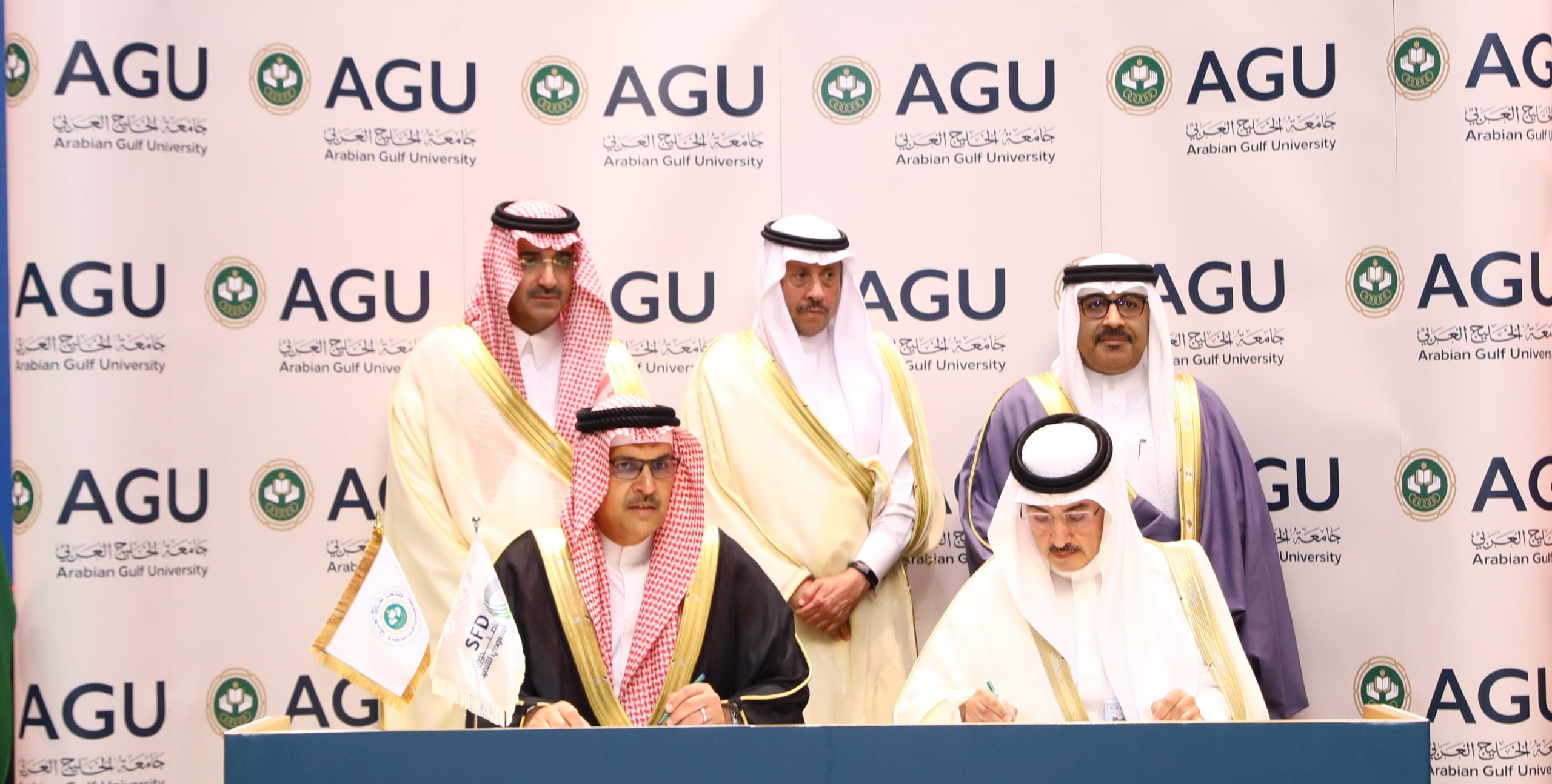
The Arabian Gulf University signed a package of contracts for the implementation of a number of strategic projects, including contracts to complete the King Abdullah bin Abdulaziz Medical City project, as well as other contracts to develop the university’s facilities and its academic, research, and service infrastructure. The signing ceremony was attended by a number of Their Excellencies the Ministers, the CEO of the Saudi Fund for Development, and a number of senior officials.
As part of the completion of the King Abdullah bin Abdulaziz Medical City project—which is being implemented with a generous grant from the Kingdom of Saudi Arabia, under the supervision and oversight of the Saudi Fund for Development—the university signed an agreement with Kanoo Information Technology to equip the medical city with an integrated technology system encompassing information technology infrastructure, cybersecurity, healthcare systems, institutional systems, and digital integration solutions, thereby ensuring the technical readiness of the medical city and supporting the operation of its facilities and systems in accordance with the latest international standards.
The university signed an agreement with Al-Salam Projects Company for the supply, installation, and furniture, interior solutions, and non-medical equipment for the campus, thereby contributing to the completion of its various facilities and preparing them for operation, while providing modern and safe work environments that support the delivery of advanced healthcare services in accordance with global best practices.
Regarding the development of the university’s facilities and infrastructure, the signing ceremony included the conclusion of several contracts related to the development of the campus, student housing, and educational, research, and service facilities. The university signed a contract with Naz Al-Khaleej Company to implement an integrated project to develop the water network in the student housing complex in Al-Zalaq, which includes the construction of two water tanks with a capacity of 4,000 cubic meters each, and the implementation of development works covering an area of 20,000 square meters, including the replacement and modernization of all pipelines and related infrastructure, with the aim of improving water quality and ensuring the sustainability of services provided to all residents of the university housing.
The university also signed a contract to install a state-of-the-art system of electronic gates and access control systems at the entrances to the student dormitories, which will help enhance safety and security and improve the efficiency of traffic management within the dormitories. The project includes the construction of new buildings, the installation of advanced electronic gate systems, and the provision of air-conditioned waiting areas for buses designated for students.
As part of the development of campus life facilities, the university signed a contract with Mohamed Jalal Contracting Company to implement an integrated project to develop the sports and recreational facilities at the Arabian Gulf University Club in Al-Zalaq. The project includes a comprehensive renovation of the club’s facilities, the construction of a soccer field, a volleyball court, a basketball court, and a padel court, in addition to upgrading the existing squash courts, completely modernizing the infrastructure, and transforming the club’s facilities into a full-service café that serves the university community and provides them with a modern social and recreational environment.
As part of its efforts to strengthen the medical education system, the university is moving forward with a project to expand the Medical Skills and Simulation Center by establishing 24 medical simulation rooms equipped with the latest educational and training simulation technologies across an area of 900 square meters, bringing the total number of simulation rooms at the center to 44, thereby enhancing the quality of clinical training and elevating the outcomes of medical education in line with the latest international standards. The project has been awarded to Kontra as part of the university’s plan to develop its educational infrastructure.
In addition, the signed projects include the implementation of a comprehensive program to modernize research laboratories on the main campus, where MAR Global will renovate and equip them with high-quality laboratory furniture meeting the highest standards, including the installation of new flooring, upgrading the infrastructure, and providing specialized laboratory equipment that supports research activities and enhances the laboratories’ efficiency and readiness to accommodate advanced research projects.
In terms of supporting scientific research, the projects include the complete relocation and renovation of the animal research facility in accordance with the latest international standards for the design and operation of animal research facilities, through the construction of a new facility equipped with support services and an advanced functional design that ensures efficient workflow, while providing a self-contained infrastructure that prevents any cross-contamination between research experiments, as well as a safe and humane environment for the care and housing of research animals. Al-Yousif Building Materials Company is responsible for implementing the project.
These projects are part of the Arabian Gulf University’s vision to continue developing its infrastructure and enhancing the readiness of its academic, research, and service facilities, thereby supporting excellence in education, scientific research, and innovation, enhance the quality of university life, and strengthen the university’s position as a leading academic and research institution within the Gulf Cooperation Council (GCC).
by ashokaib | Jul 9, 2026 | Uncategorized
The College of Medicine and Health Sciences at Arabian Gulf University organized a closing ceremony for the 2025–2026 academic year, during which the college dean, Prof. Dr. Mohamed Madadin, reviewed the college’s most notable achievements over the past year, highlighting its progress toward academic and research excellence and service to the university community. He highlighted the successes achieved in the areas of medical education, scientific research, and student and community activities, reflecting the college’s institutional progress and the enhancement of the quality of educational outcomes.
During the ceremony, a range of academic and research achievements were showcased, most notably the development of educational programs, progress in academic accreditation processes, and the implementation of initiatives to improve the quality of education, in addition to highlighting the participation of students and faculty members in scientific conferences and research forums at the local, regional, and international levels.
The ceremony also highlighted the community and volunteer activities carried out by the college, which have helped strengthen its role in the community and reinforce the concept of social responsibility in the health sector. Local and regional partnerships that have supported the educational and research processes and contributed to the development of the learning and training environment were also highlighted.
During the ceremony, a number of members of the academic and administrative bodies were honored in recognition of their contributions to supporting the college’s progress, enhancing the quality of its performance, and achieving its strategic objectives. The ceremony also honored the college’s former dean, Prof. Dr. Abdulhalim Dhaifallah, in recognition of his efforts and contributions during his tenure as dean, as well as his service in developing the college and strengthening its academic standing.
The ceremony concluded with an emphasis on several key messages, most notably the importance of documenting the college’s achievements during the academic year and highlighting their impact on improving the quality of teaching and learning, fostering a culture of innovation and excellence among students and faculty members, and supporting a spirit of institutional belonging and teamwork—all of which will contribute to the continued achievement of the college’s academic, research, and community goals in the coming years.