by ashokaib | Apr 12, 2026 | Uncategorized
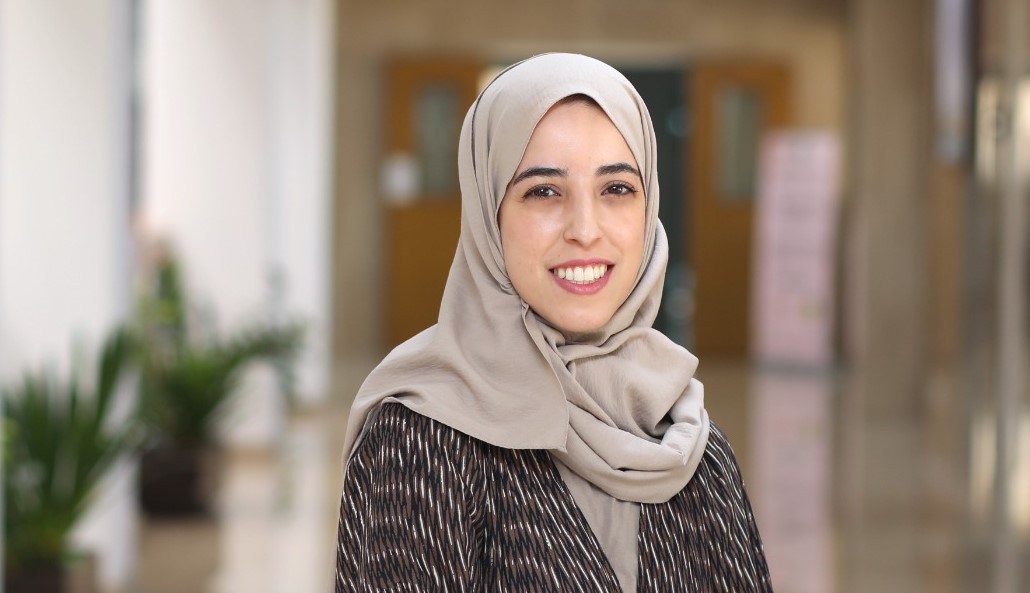
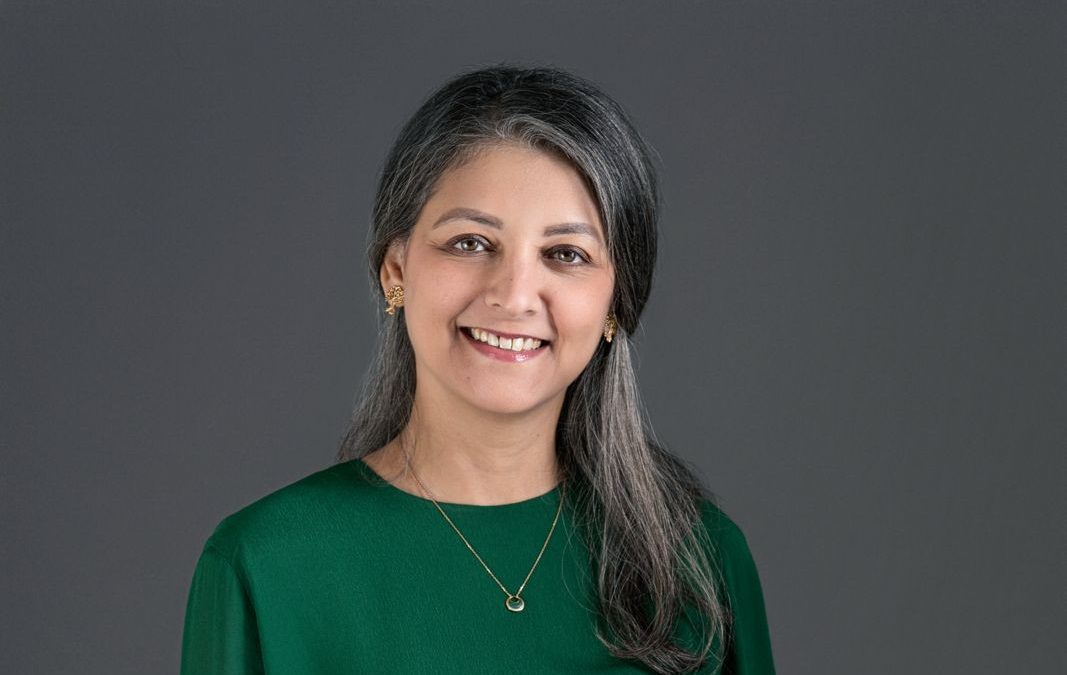
Dr. Mariam Farid Ashour, Assistant Professor in the Department of Pediatrics at the College of Medicine and Health Sciences and Head of the Community Service Unit at the Center for Consultancy and Training at Arabian Gulf University, affirmed that recent years have witnessed remarkable progress in the field of rheumatology and immunology in children, particularly in light of rapid developments in medical research and biotechnology, which opens new horizons for improving the quality of life for young patients and reducing long-term complications.
She noted that recent studies have focused on improving early diagnosis methods, as it has become possible to detect autoimmune diseases in their early stages using advanced genetic analysis and biomarker technologies, thereby helping to reduce the period of misdiagnosis, which previously posed a major challenge. She also highlighted the increasing collaboration between research centers and healthcare institutions to share data and develop standardized treatment protocols, which helps accelerate access to safer and more effective treatments.
In this context, biologic therapies have emerged as one of the most significant achievements in this field, as these medications precisely target the immune system, thereby reducing inflammation and preserving the function of joints and vital organs. Clinical trial results have shown significant improvement in children with conditions such as juvenile arthritis and systemic lupus erythematosus. Dr. Mariam Ashour, a consultant in pediatrics and rheumatology, emphasized that recent advances in treatments reflect a qualitative shift in the management of rheumatic and immune diseases in children, anticipating further achievements in the near future, driven by scientific innovation and ongoing international collaboration.
On the other hand, personalized medicine is gaining increasing attention, with treatment plans tailored to each child based on their genetic makeup and individual response to treatment, thereby enhancing treatment effectiveness and reducing side effects. Regarding comprehensive care, experts emphasize the importance of integrating medication with psychological support and physical rehabilitation, especially since chronic diseases can affect children’s physical development and mental well-being.
It is worth noting that Dr. Mariam Ashour recently participated in the 12th Annual Conference of the Saudi Society of Rheumatology, and the 4th Gulf Cooperation Council Rheumatology Conference, held in Jeddah, Saudi Arabia. She presented two research papers as part of the scientific program, reviewing the results of her research before a select group of specialists and experts in the field of rheumatology, within the framework of exchanging experiences and enhancing regional and international scientific cooperation.
As part of her efforts to raise awareness of pediatric rheumatic diseases at the national and regional levels, she also participated in the Second International Conference on Pediatrics, organized by the Royal Medical Services in the Kingdom of Bahrain, as a speaker in the “Meeting with Specialists” session, alongside a group of consultants and specialists in various fields of pediatrics. She delivered a lecture titled “Fever in Children from a Rheumatology Perspective,” in which she reviewed the precise diagnostic aspects of differentiating between common causes and rheumatic and inflammatory conditions, with a focus on clinical indicators that warrant early suspicion of systemic inflammatory diseases.
by ashokaib | Apr 7, 2026 | Uncategorized
The Dean of the College of Medicine and Health Sciences at the Arabian Gulf University, Prof. Dr. Mohamed Maddin, emphasized the importance of raising health awareness and dedicating collective efforts to ensure the health and safety of the community in a sustainable manner, noting the Arabian Gulf University’s pioneering role in promoting a culture of health and encouraging preventive practices that protect community members from various diseases.
On the occasion of World Health Day, celebrated under the slogan “Together for Health… Stand with Science,” the Dean said that promoting health awareness begins with education and extends to the daily policies and practices of individuals, noting that World Health Day serves as a reminder to us, as educational and health institutions, of the importance of supporting national, Gulf, and global initiatives to promote public health, and of investing in health as an investment in the future.
He emphasized that the goals of the College of Medicine and Health Sciences align directly with the global call to support science in the health sector by establishing a reliance on evidence, facts, and scientific guidelines as the foundation for protecting public health and promoting preventive practices. He highlighted the importance of rebuilding trust in science and public health through education, awareness, and community initiatives, thereby contributing to a deeper understanding among individuals of the importance of knowledge-based health decisions.
He also affirmed the College of Medicine and Health Sciences’ commitment to graduating doctors, nurses, and health practitioners capable of responding to contemporary health challenges, stressing the need for concerted efforts across various sectors to achieve the Sustainable Development Goals and ensure a healthier and safer future for coming generations.
He added: "Building a healthy society begins with spreading knowledge and providing an environment that supports healthy habits, which is what we strive to achieve through our academic programs and field activities throughout the year.” He noted that students at Arabian Gulf University are keen to organize awareness events and activities that combine scientific innovation with social responsibility, which collectively promote healthy lifestyles and raise awareness about the prevention of various diseases throughout the year, both within the university community and beyond, with the aim of contributing to the enhancement of community health awareness.
by ashokaib | Apr 6, 2026 | Uncategorized
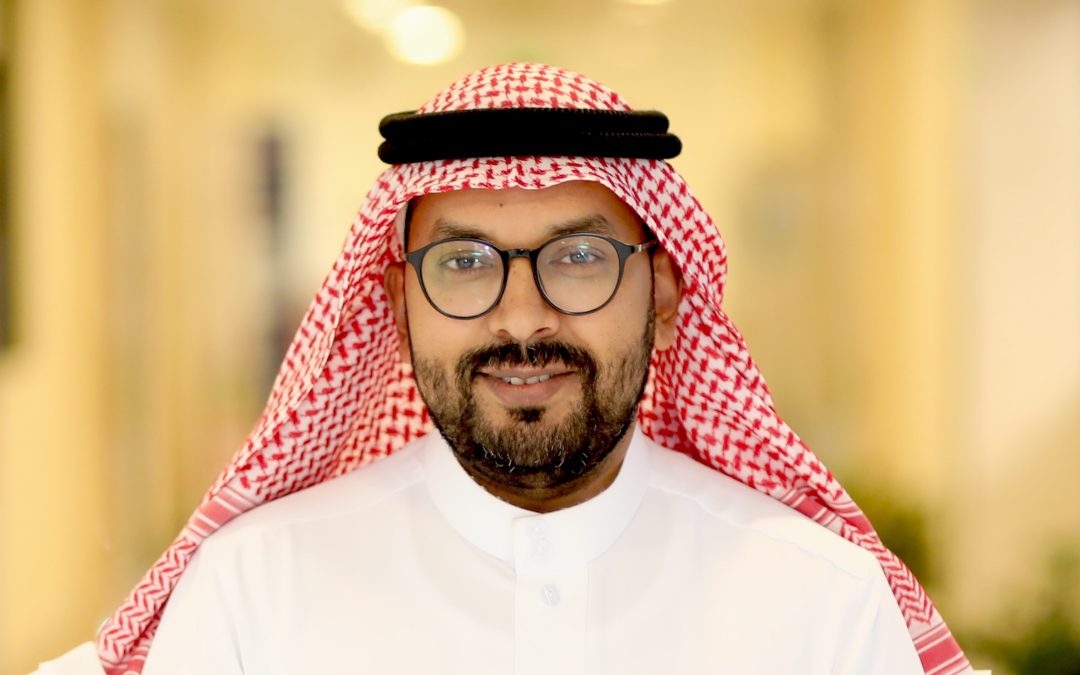
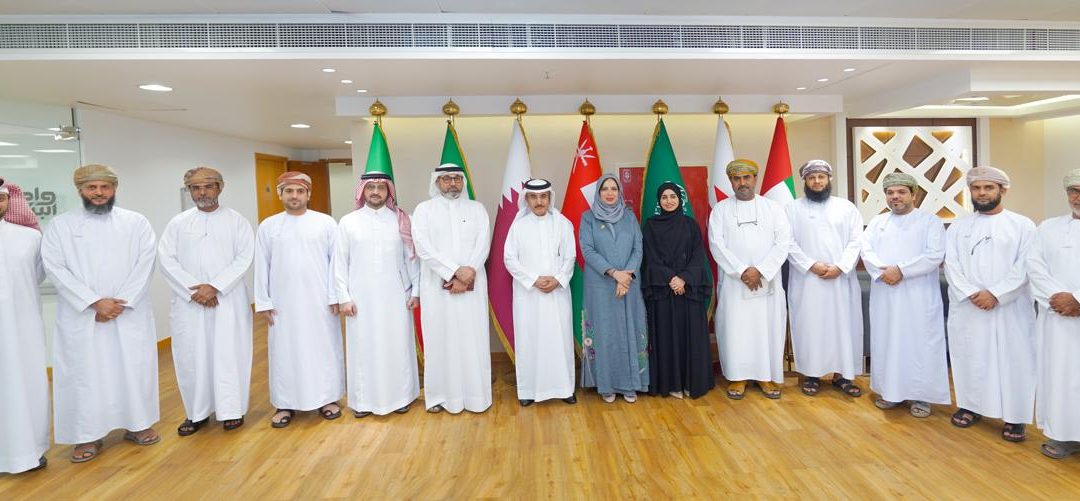
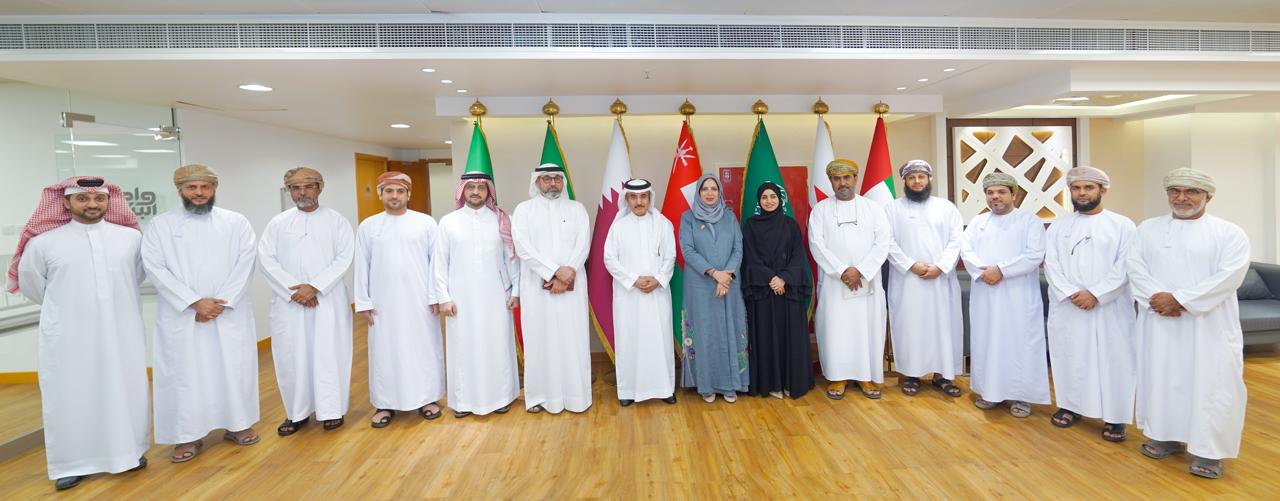
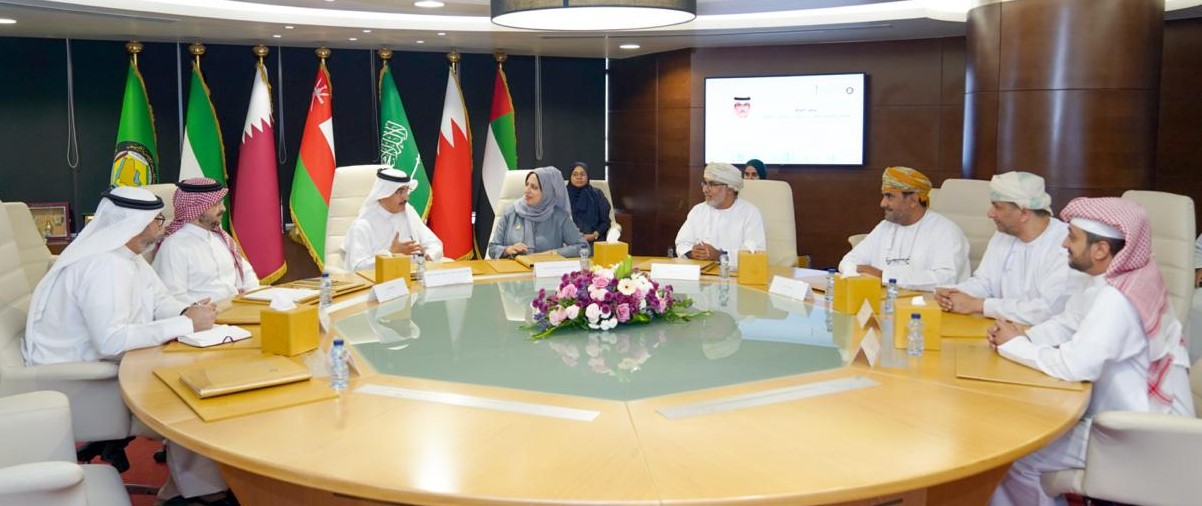
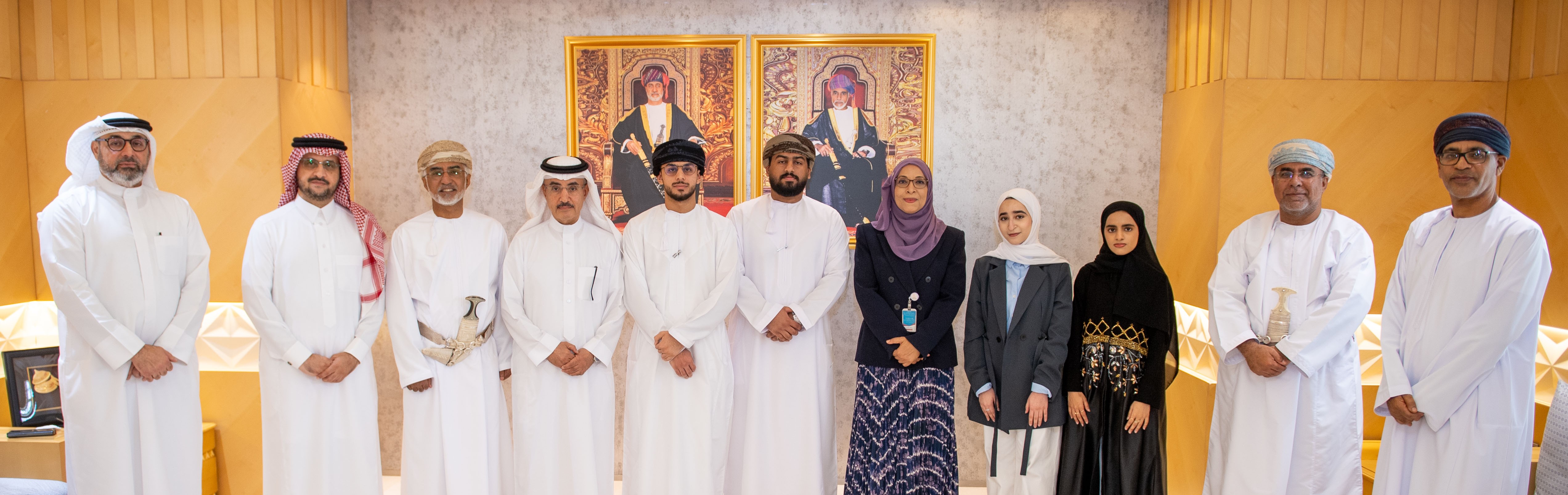
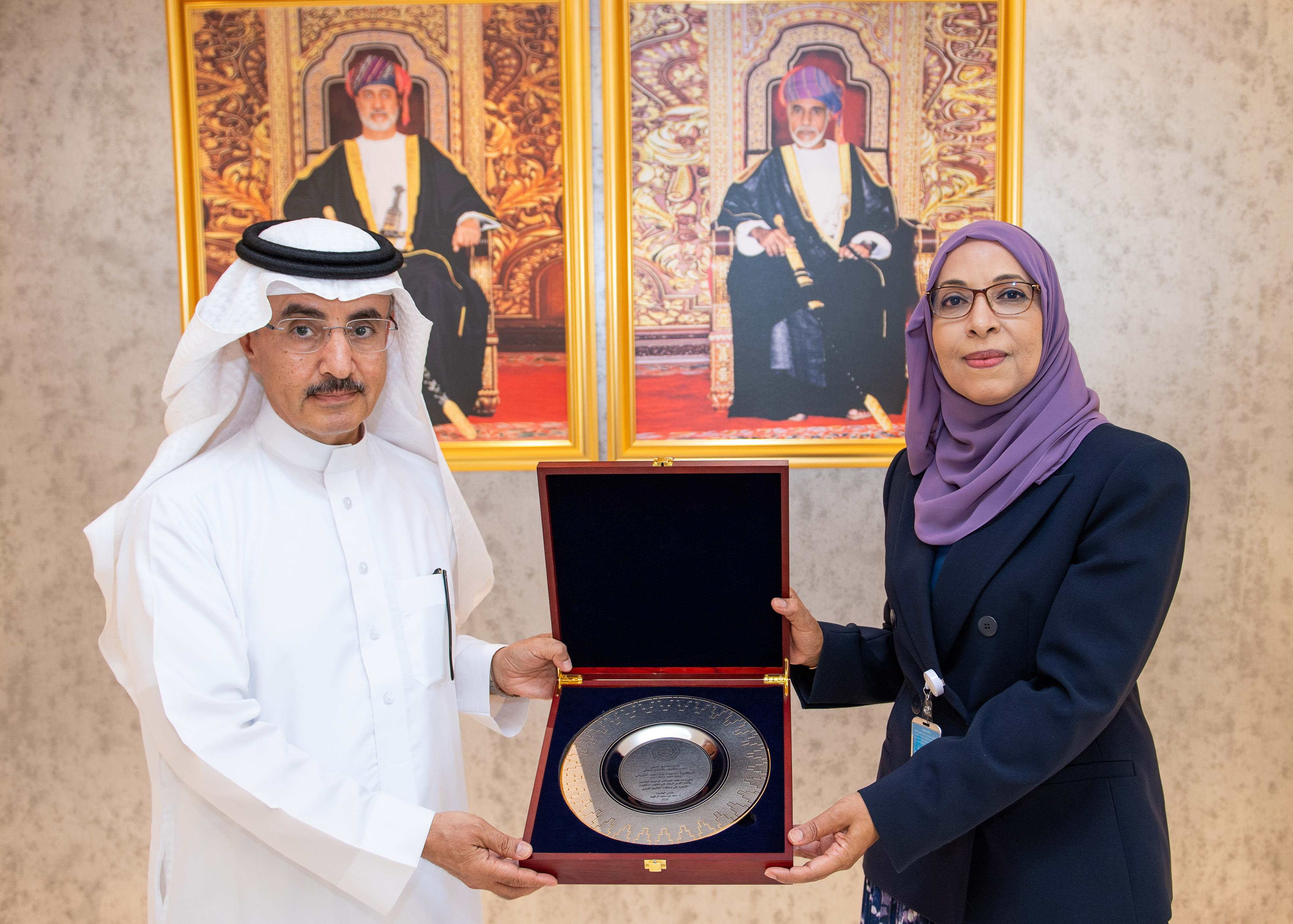
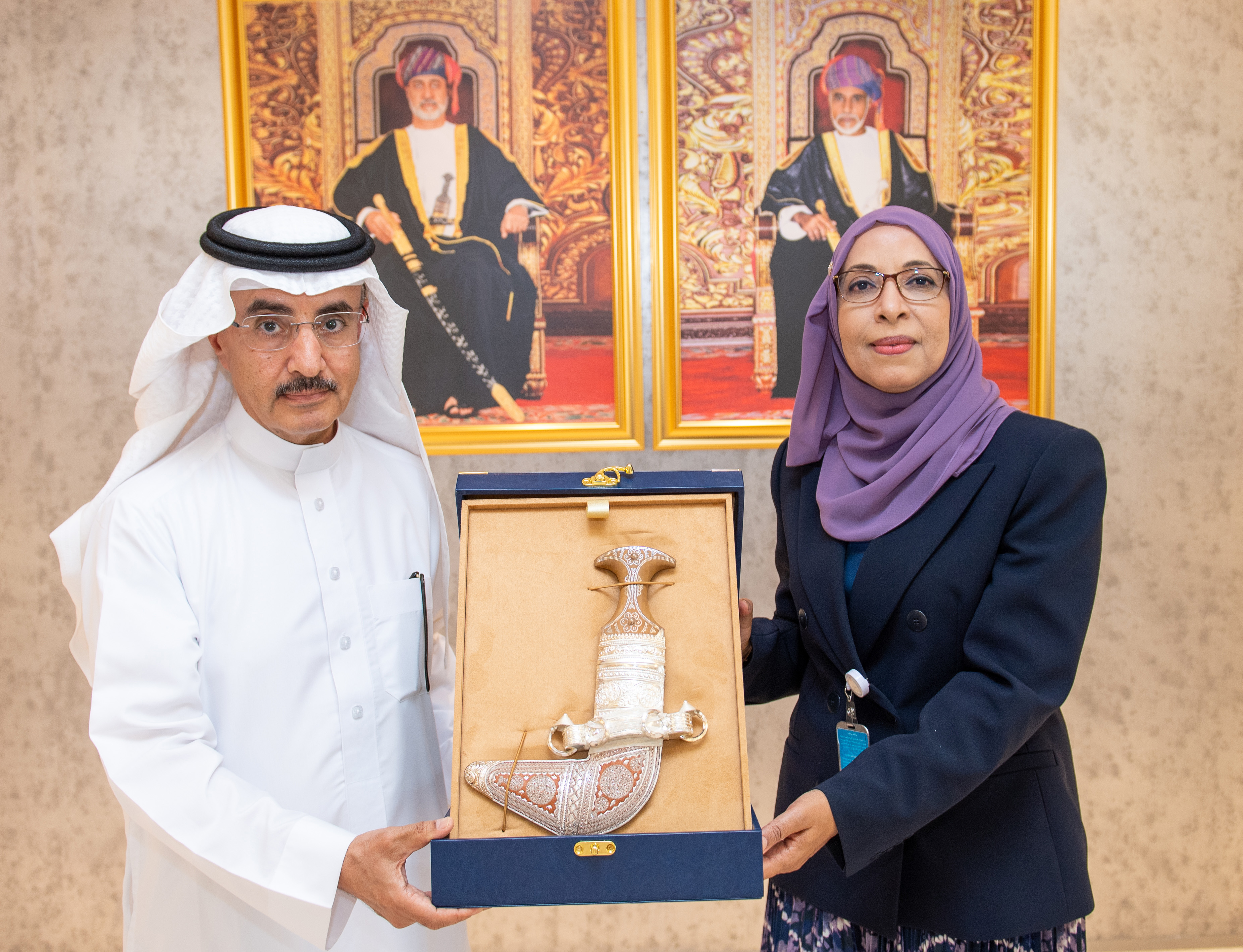
His Excellency Dr. Saad bin Saud Al-Fuhaid, President of the Arabian Gulf University, signed a memorandum of understanding with Her Excellency Entisar bint Abdullah Al-Wahibia, Director General of the GCC Statistical Center, at the Center’s headquarters in the Omani capital, Muscat. The MoU aims to strengthen joint efforts in the fields of statistics and research, and to develop quality initiatives focused on building national capacities and competencies, thereby contributing to the statistical data system and providing accurate and reliable indicators to support decision-makers in the Gulf states.
During the meeting, attended by His Excellency Prof. Omar Al-Rawas, Chairman of the Board of Trustees of the Arabian Gulf University, the two sides discussed ways to consolidate institutional cooperation and enhance knowledge integration, in a manner that serves the comprehensive development of the GCC countries.
His Excellency Dr. Saad bin Saud Al-Fahid explained that the signing of the MoU embodies the Arabian Gulf University’s commitment to strengthening its partnerships with leading regional institutions, emphasizing that this partnership will contribute to preparing qualified Gulf professionals with advanced skills in the fields of research and statistics, capable of keeping pace with global changes and the requirements of economic development.
For her part, Her Excellency Ms. Entisar bint Abdullah Al-Wahibia emphasized that this signing represents an extension of the Center’s approach to building effective strategic partnerships, noting that collaboration between statistical institutions and academic bodies is a fundamental pillar in building a sustainable knowledge-based economy. She added that cooperation with the Arabian Gulf University will contribute to expanding the horizons of scientific research, investing in Gulf capabilities, and promoting the use of statistical data in preparing specialized studies that support development policies.
The memorandum of understanding includes a number of areas of cooperation, most notably: knowledge exchange through the sharing of statistical data and reports to support scientific research and studies; capacity building through the implementation of joint training programs and workshops targeting specialists and researchers; and advisory support and the provision of technical and professional consultations on research projects of mutual interest.
The visit concluded with a tour of the Center’s facilities for the delegation from the Arabian Gulf University. During the tour, the delegation—which included, in addition to His Excellency the Chairman of the Board of Trustees and His Excellency the University President, His Excellency Prof. Ghazi Al-Otaibi, Vice President for Academic Affairs and Scientific Research, and His Excellency Prof. Dr. Walid Khalil Zubari, Dean of the College of Education, Administrative and Technical Sciences, were briefed on the latest systems and technologies used in big data management and the development of statistical indicators at the GCC level, reflecting the progress being made in Gulf statistical work.
by ashokaib | Apr 5, 2026 | Uncategorized
Her Excellency Dr. Madiha bint Ahmed Al-Shibani, Omani Minister of Education, received on Sunday His Excellency Dr. Saad bin Saud Al-Fuhaid, President of the Arabian Gulf University, and the accompanying academic delegation. The meeting was attended by His Excellency Prof. Omar Al-Rawas, Chairman of the Board of Trustees of the Arabian Gulf University; His Excellency Dr. Abdullah Al-Shibli, member of the Board of Trustees; and His Excellency Dr. Salim Al-Harthi, member of the University Council, to discuss ways to strengthen academic relations and expand areas of scientific cooperation between the Ministry of Education in the Sultanate of Oman and the Arabian Gulf University.
During the meeting, several topics of mutual interest were reviewed. Her Excellency the Minister emphasized the importance of strengthening regional academic partnerships to contribute to the development of the higher education system and the improvement of its outcomes, praising the role played by the Arabian Gulf University in supporting scientific research and serving development issues in the GCC countries.
For his part, His Excellency the Chairman of the University’s Board of Trustees, Prof. Omar Al-Rawas, emphasized the importance of developing sustainable institutional partnerships with the Ministry of Education in the Sultanate of Oman, thereby enhancing Gulf academic integration, and supporting Gulf universities’ efforts to expand their research and knowledge-based roles, as well as exchanging expertise in areas of shared priority.
For his part, His Excellency the University President expressed his pride in the growing relations with the Sultanate of Oman, affirming the University’s commitment to expanding the horizons of cooperation with Omani educational institutions, particularly in the areas of graduate studies, research programs, and the exchange of academic expertise.
The University President also reviewed the university’s key activities, strategic projects, research initiatives, and academic programs that contribute to supporting sustainable development goals and enhancing the quality of higher education in the region, emphasizing the importance of strengthening opportunities for academic cooperation to implement joint research and academic projects.
The two sides discussed the progress of Omani students at the Arabian Gulf University and the successes they have achieved in various specializations, as well as ways to support and empower them academically and professionally. They also discussed arrangements for holding in-person exams for Omani medical students in Muscat and completing practical training programs for fifth-year students at healthcare institutions within the Sultanate of Oman, as well as reviewing the role of the Sultan Qaboos Chair for Desert Farming and Soilless Agriculture in supporting modern agricultural research.
The meeting, attended by His Excellency Prof. Ghazi Al-Otaibi, Vice President for Academic Affairs and Scientific Research, and His Excellency Prof. Dr. Walid Khalil Zibari, Dean of the College of Education, Administrative and Technical Sciences, comes as part of ongoing efforts to strengthen academic integration among educational institutions in the GCC, thereby supporting innovation and contributing to the development of a sustainable knowledge-based economy grounded in research and development.
by ashokaib | Apr 2, 2026 | Uncategorized
Dr. Wod Hussein Dagistani, Associate Professor of Special Education and Coordinator of the Learning and Developmental Disabilities Program at Arabian Gulf University, affirmed that observing World Autism Awareness Day represents an important milestone in promoting community awareness of the rights of people with autism, reinforcing the values of acceptance and inclusion in all aspects of life, and that investing in people in all their diversity is the path toward a sustainable future.
She explained that designating April 2 of each year as World Autism Awareness Day, since its adoption by the United Nations General Assembly, has contributed significantly to a qualitative shift in the perception of autism as the focus has shifted from mere awareness to adopting an approach based on respect for human dignity and equal rights. She called for the development of inclusive environments for people with autism using a dynamic approach that leads to genuine adaptation of environments to suit the individual needs of each person with autism.
She added that this year’s theme for 2026, “Autism and Humanity: Every Life Matters,” reflects a global trend that emphasizes that people with autism are an integral part of the social fabric, and that empowering them goes beyond simply providing services; it also involves ensuring their active participation in education, employment, and public life.
she highlighted the leading role played by the Arabian Gulf University in training and qualifying Gulf professionals specializing in autism, noting that the university’s high-quality academic programs help meet the Gulf Cooperation Council countries’ need for qualified specialists, in accordance with the latest scientific standards and professional practices.
She noted that the university has graduated more than 431 master’s and doctoral degree holders, explaining that this initiative strengthens national capacity-building to provide high-quality educational and rehabilitation services, and supports the process of comprehensive integration and sustainable development in the region.
She noted that challenges remain, particularly given the spread of certain misconceptions and stereotypical narratives, which calls for intensified efforts to disseminate accurate scientific knowledge and promote policies that support neurodiversity.
She said that integrating neurodiversity is a cornerstone of achieving the Sustainable Development Goals, given its role in fostering innovation and creativity and building more inclusive and equitable societies, emphasizing the importance of developing educational programs that take individual differences into account and support the abilities of all learners.
She also emphasized the need for educational, health, and community institutions to join forces, work to empower families, and provide inclusive and safe learning environments that offer people with autism equal opportunities to grow and thrive.
She emphasized that investing in people in all their diversity is the path to a more equitable and sustainable future, calling for continued efforts to build societies that respect and celebrate diversity.