by ashokaib | Mar 30, 2026 | Uncategorized
The Arabian Gulf University (AGU) has reaffirmed the importance of transitioning towards sustainable production and consumption patterns that focus on reducing waste at source and maximising resource efficiency. This aligns with the circular economy approach, which has become a strategic option for addressing global environmental challenges, particularly climate change and the growing volume of waste.
Coinciding with the International Day of Zero Waste, AGU stands out as a leading regional model in advancing sustainability and environmental management. The University has adopted a comprehensive vision aimed at building human capacity and fostering innovation in environmental and green technologies. This is reflected in the launch of specialised academic and professional programmes, most notably the Professional Diploma in Waste Management, which is considered one of the region’s distinctive programmes. The programme aims to equip professionals with the skills needed to address contemporary environmental challenges by integrating theoretical knowledge with practical application.
Since its launch in 2021, the programme has attracted wide participation from across the GCC countries. It is supported by the United Nations Environment Programme and accredited by the Chartered Institution of Wastes Management, reflecting its quality and alignment with international standards.
The programme has graduated around 110 specialists from key sectors including industry, energy, healthcare, and municipalities. Graduates are actively contributing to the development of sustainable waste management practices in their respective countries, thereby enhancing the programme’s regional impact.
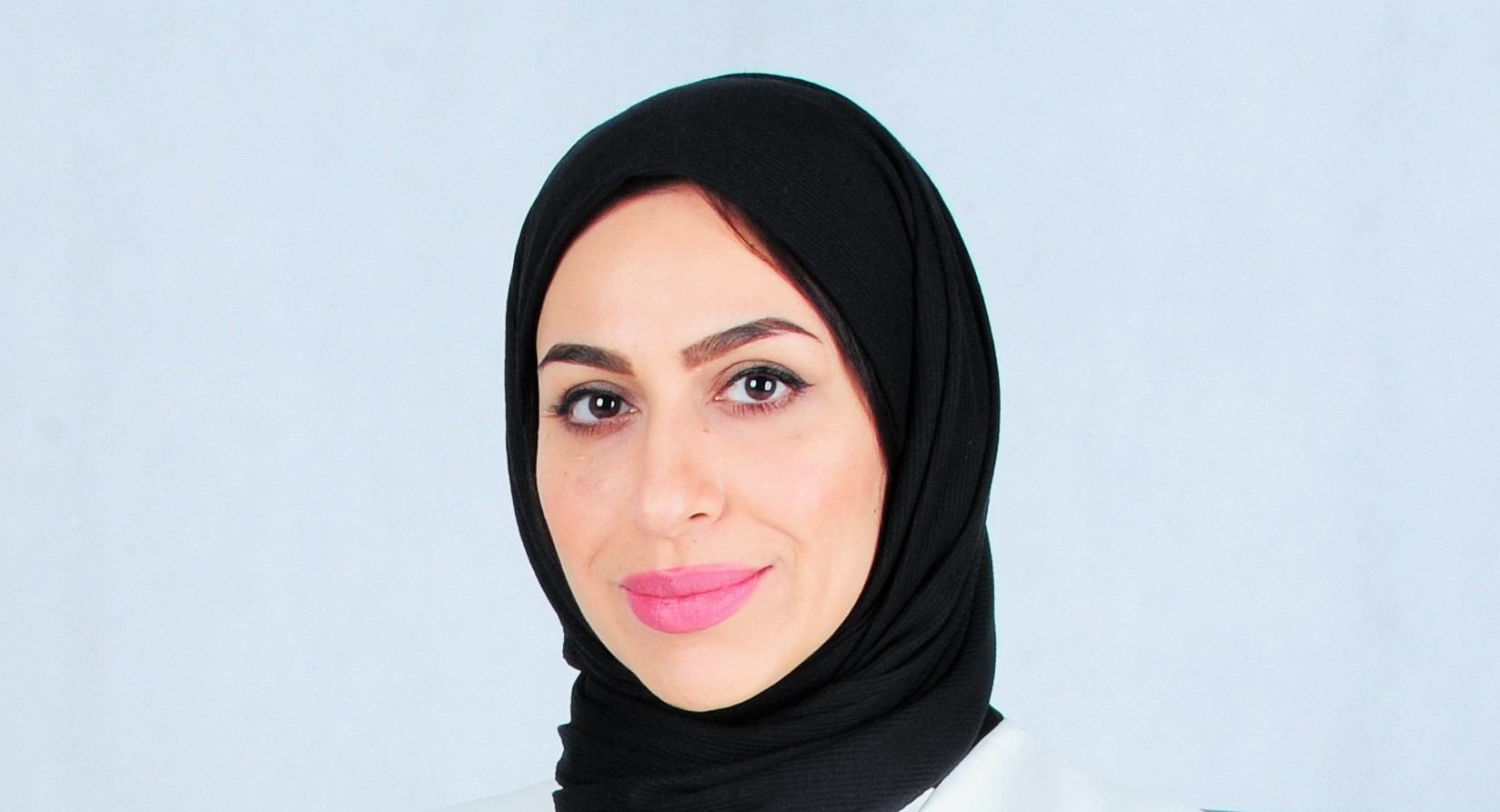
In this context, Dr Sumaya Yousif, Founder and Coordinator of the programme, Assistant Professor of Environmental Engineering at the Centre for Environmental and Life Sciences Studies within the College of Education and Administrative & Technical Sciences, and Director of the Corporate Communications Centre at AGU, stated that the programme is distinguished by its strong practical component, as it involves developing applied projects that address real-world challenges in municipal, industrial, medical, and agricultural waste management, in addition to organising field visits to recycling and waste treatment facilities, thereby strengthening the link between knowledge and practice.
She further emphasised that academic institutions are no longer limited to education alone, but have become active partners in achieving the Sustainable Development Goals (SDGs) and key drivers of change towards more aware and resource-efficient societies. Achieving the goal of “Zero Waste,” she noted, is a shared responsibility that requires collaboration between individuals and institutions. Investment in specialised education and capacity building, as exemplified by AGU, remains one of the most important pathways towards a more sustainable future.
The programme has also succeeded in building a regional network of experts, supporting institutions in developing waste reduction strategies, and enhancing institutional awareness of the importance of transitioning to a circular economy. It has further contributed to reducing environmental impact and promoting innovation in sustainable solutions. The University reaffirmed its commitment to continuously developing the programme through successive editions that respond to future challenges, reinforce the use of green technologies, and further embed sustainability concepts across the region.
by ashokaib | Mar 26, 2026 | Uncategorized
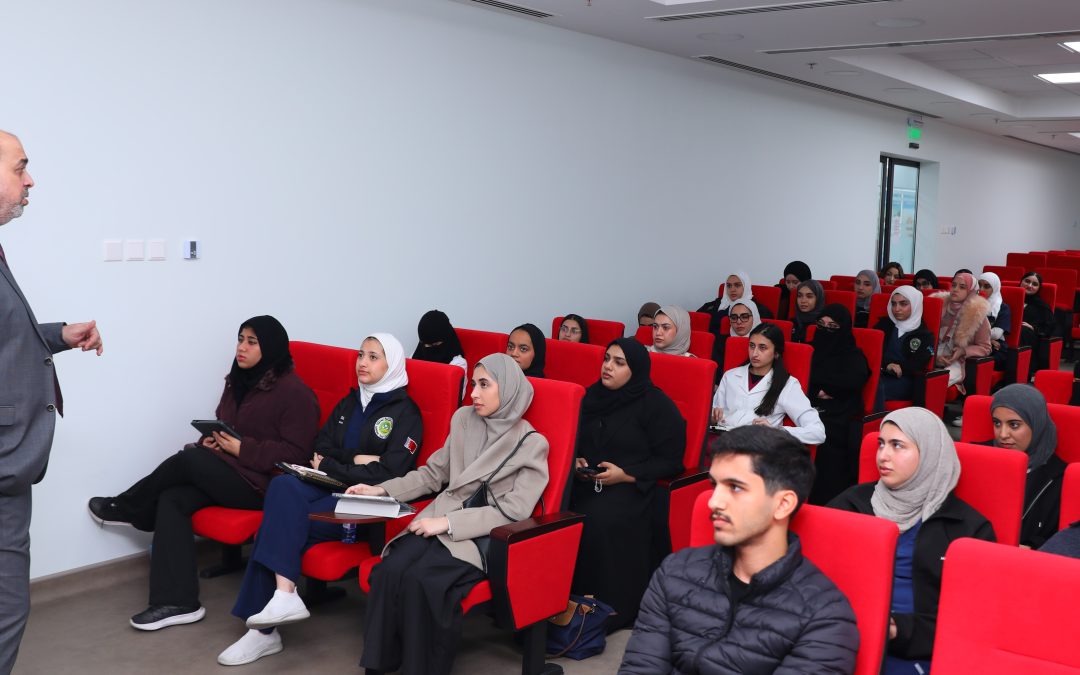
The College of Medicine and Health Sciences at the Arabian Gulf University (AGU) organised “Career Day 2026” as part of the Leadership, Ethics and Professionalism (LEAP) Programme, held at the University’s campus in Manama. The event saw wide participation from AGU alumni who are now consultant physicians, alongside attendance from sixth-year students expected to graduate.
“Career Day” is an annual initiative aimed at raising awareness among medical students about postgraduate training opportunities, including pathways to residency programmes within GCC countries and abroad. It also supports students in selecting suitable future specialisations aligned with their interests and academic capabilities.
The programme featured comprehensive sessions outlining regional and international board pathways, including training opportunities in the United States, Canada, the United Kingdom, and GCC countries. Discussions also covered admission requirements, CV preparation, interview skills, and opportunities for postgraduate studies. Additional sessions explored the nature of various medical specialties, highlighting work environments, required competencies, and career progression prospects.
Prof. Mohammed Madadin, Dean of the College of Medicine and Health Sciences, stated that Career Day represents a pivotal milestone in the academic journey of medical students, enabling them to think strategically about their professional futures and stay informed on the rapid transformations shaping the global healthcare sector. He added that medicine today is witnessing significant advancements driven by modern technologies such as artificial intelligence, medical robotics, 3D printing, and gene therapies, requiring future doctors to develop knowledge and skills beyond traditional medical practice.
He further emphasised that building the modern physician extends beyond academic excellence to include effective communication skills, multidisciplinary teamwork, and a strong commitment to human values in patient care. He affirmed AGU’s dedication to graduating professionals equipped with clinical competence, ethical awareness, and leadership capabilities across diverse healthcare environments.
Prof. Madadin added that Career Day provides students with a detailed roadmap for their postgraduate journey, offering clear insights into residency programmes across specialties and their admission requirements, as well as opportunities to pursue advanced academic pathways, including Master’s and PhD degrees. This equips students with a comprehensive understanding to guide their career decisions.
For her part, Dr Deeba Jairajpuri, Head of the Student Leadership and Professional Skills Development Programme at AGU, stated that Career Day serves as a strategic platform connecting students, particularly those in their final year, with alumni and leading specialists from within the region and beyond, enriching their experience and providing clearer perspectives on future career pathways.
She noted that the event reflects AGU’s commitment to empowering students with leadership and professional competencies, enhancing their readiness to make well-informed specialisation decisions within an interactive and engaging environment.
“Career Day” forms part of a comprehensive programme spanning the six years of study, designed to develop students’ leadership, professionalism, communication, and teamwork skills, while expanding their professional networks with academics and healthcare practitioners—ultimately supporting a confident transition from academic study to specialised medical practice.
by ashokaib | Mar 25, 2026 | Uncategorized
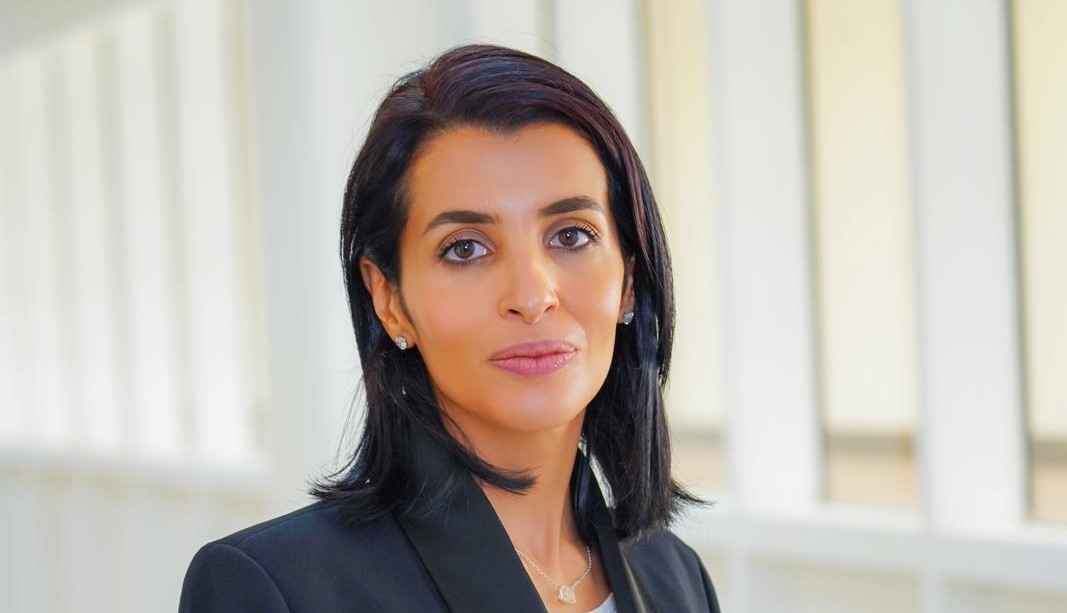
Dr Aseel Al Saleh, Dean of Student Affairs at the Arabian Gulf University (AGU), affirmed that Bahraini Youth Day represents an important occasion to celebrate the energy, creativity, and pivotal role of young people in building the future of the Kingdom of Bahrain and the GCC, and in advancing comprehensive development across various fields.
She commended the significant care and attention that GCC youth receive from the region’s wise leadership, which has contributed to empowering them and providing opportunities for active participation in development, innovation, and shaping the future.
Dr Al Saleh highlighted that youth constitute the cornerstone of progress and advancement, stressing AGU’s ongoing commitment to providing a stimulating educational and research environment that prepares a distinguished generation of scientific talent and young leaders capable of addressing challenges and seizing opportunities in service of society and the region.
She added that the University continues to reinforce its commitment to supporting initiatives and programmes that enhance youth capabilities and develop their leadership and innovative skills, in line with GCC aspirations towards a knowledge-based economy driven by science, research, and innovation.
She also expressed confidence in their vital role in sustaining the journey of growth and progress.
by ashokaib | Mar 25, 2026 | Uncategorized
The Medical Club at the Arabian Gulf University (AGU), in collaboration with the Department of Internal Medicine at the College of Medicine and Health Sciences, organised a training workshop titled “Decoding the Electrocardiogram (ECG)” at the Medical Simulation Centre. The workshop witnessed broad participation from students enrolled in the University’s medicine and nursing programmes, as well as students from the Royal College of Surgeons in Ireland – Medical University of Bahrain and the University of Bahrain, reflecting strong academic integration and collaboration among educational institutions.
The workshop was supervised by Dr Yahya Najeeb, Professor of Clinical Physiology, Head of the Department of Physiology, and Associate Professor at the University. It aimed to enhance students’ skills in understanding and interpreting ECG readings in a simplified and practical manner, while effectively linking theoretical knowledge to direct clinical application.
The programme focused on boosting students’ confidence in reading common ECG patterns and improving their ability to identify serious and emergency cardiac conditions at an early stage, thereby contributing to the development of their clinical competencies and sound medical decision-making.
Dr Najeeb noted that the workshop may be among the first of its kind to adopt a student-led model that incorporates peer teaching and interprofessional interactive learning. He added that the diversity of activities, including interactive lectures, hands-on clinical training, and case-based learning sessions. enriched the educational experience and enhanced student engagement throughout the day.
The programme also featured a distinctive practical component, where members of the Internal Medicine Club trained their peers after undergoing prior training under Dr Najeeb’s supervision. This approach ensured the quality and consistency of the educational content, as well as standardised methodologies for ECG performance and interpretation. Training was conducted using simulated patients (volunteers) at the Medical Simulation Centre, providing a safe learning environment that closely mirrors real clinical settings and strengthens participants’ practical skills.
Student trainers from the Internal Medicine Club included Mohammed Mashhoor, Safaa Mohsen, Barouq Al Sulaity, Ru’a Al Hattali, and Sisbaan Qasadi. Participants were divided into small groups to ensure direct supervision and effective hands-on training, with immediate feedback provided to enhance performance quality.
The workshop concluded with discussions of real-life clinical cases, reinforcing clinical reasoning skills and bridging the gap between theoretical knowledge and practical application, in an interactive learning experience that highlighted the importance of simulation-based education and interdisciplinary teamwork in healthcare.
by ashokaib | Mar 25, 2026 | Uncategorized
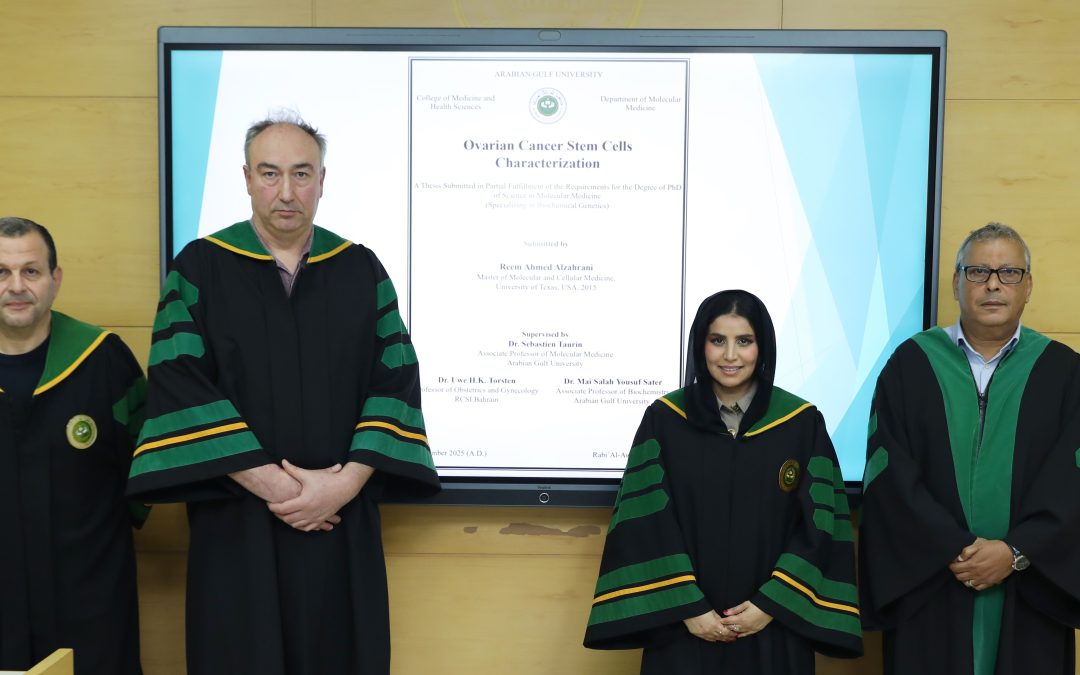
An applied study has recently identified key mechanisms behind ovarian cancer’s resistance to treatment. This was achieved through the development of a three-dimensional organoid platform that accurately replicates the environment which incubates cancer stem cells and effectively targets them, thus contributing to modern trends in precision medicine. The findings were presented as part of a doctoral dissertation in molecular medicine titled "A 3D Organoid Platform for Modelling and Targeting Ovarian Cancer Stem Cells" prepared by researcher Reem Ahmed Al-Zahrani at Arabian Gulf University (AGU).
The 3D organoid platform is an advanced biological model created from cells taken from the tumour itself. These cells are grown in the laboratory within an environment that mimics the spatial and functional structure of the original tissue, including cell interactions and surrounding molecular signalling networks. This model provides researchers with a more precise ability to study tumour behaviour and test treatment responses under conditions closer to the patient's biological reality.
The study demonstrated that ovarian cancer stem cells, particularly CD44+ cells, play a pivotal role in chemotherapy resistance and relapse due to their location within microenvironments that contribute to their survival and the activation of complex biosignature networks.
The results also indicated that traditional 2D models do not accurately reflect this structural complexity, while 3D organoids successfully preserved the cells' spatial structure and molecular pathways.
The study revealed the limited effectiveness of conventional chemotherapy in eliminating these protected cells, in contrast to the promising results of targeted therapies. The medication Dasatinib demonstrated the ability to disrupt stem cell positions and enhance their sensitivity to treatment, while panobinostat targeted stem cell reprogramming by disrupting key molecular pathways such as LGR5-Wnt, which are associated with maintaining stem cell characteristics.
Targeted therapies are drugs designed to target specific molecules or pathways within cancer cells responsible for their growth or survival. Unlike traditional chemotherapy, which generally affects rapidly dividing cells, targeted therapies offer greater precision and a relatively lower impact on healthy cells.
The LGR5-Wnt pathway regulates cell division and renewal which plays a crucial role in maintaining the stem characteristics of cancer cells. When this pathway is overactive, it contributes to stem cell survival and resistance to treatment, making its disruption a promising therapeutic target.
Notably, organoids derived from real patients reflected a clear variability in treatment response from one case to another. This strengthens the potential of this platform to predict the most appropriate treatment for each patient and supports the application of personalised medicine in the treatment of gynaecological cancers.
The dissertation was completed as part of the PhD programme in Molecular Medicine, under the supervision of Dr Sebastien Taurin, Associate Professor of Molecular Medicine at AGU. The examining committee consisted of External Examiner Dr Uwe Torsten, Professor of Obstetrics and Gynaecology at the Royal College of Surgeons in Ireland – Medical University of Bahrain, and Internal Examiner Professor Diaa Rizk, Head of the Department of Obstetrics and Gynaecology at AGU.