by ashokaib | Mar 16, 2026 | Uncategorized
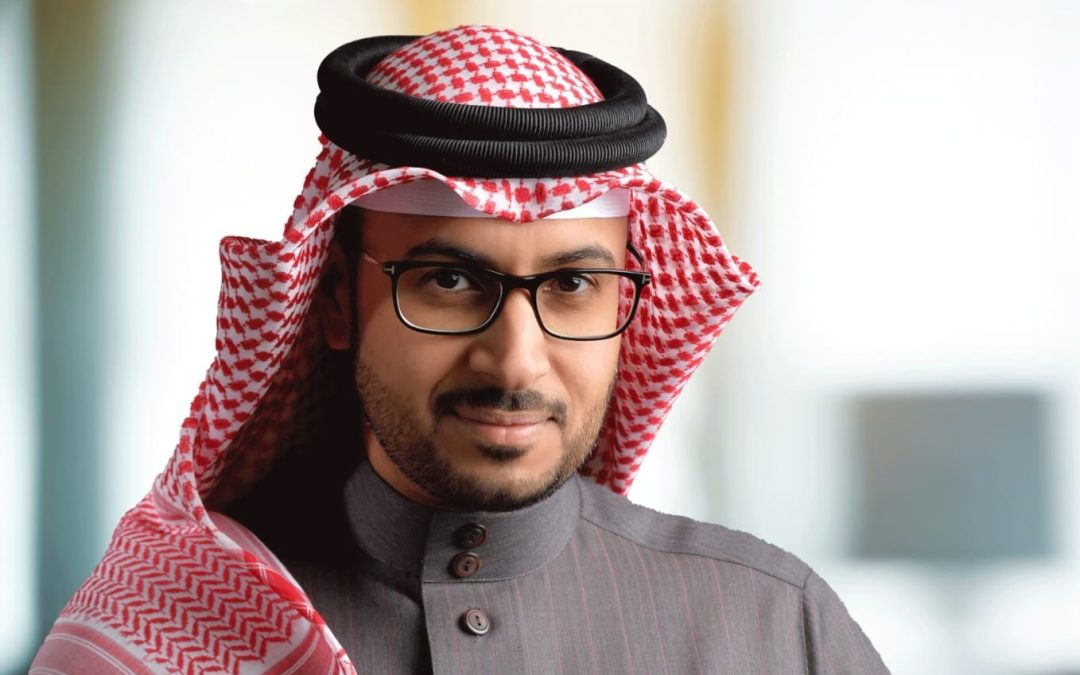
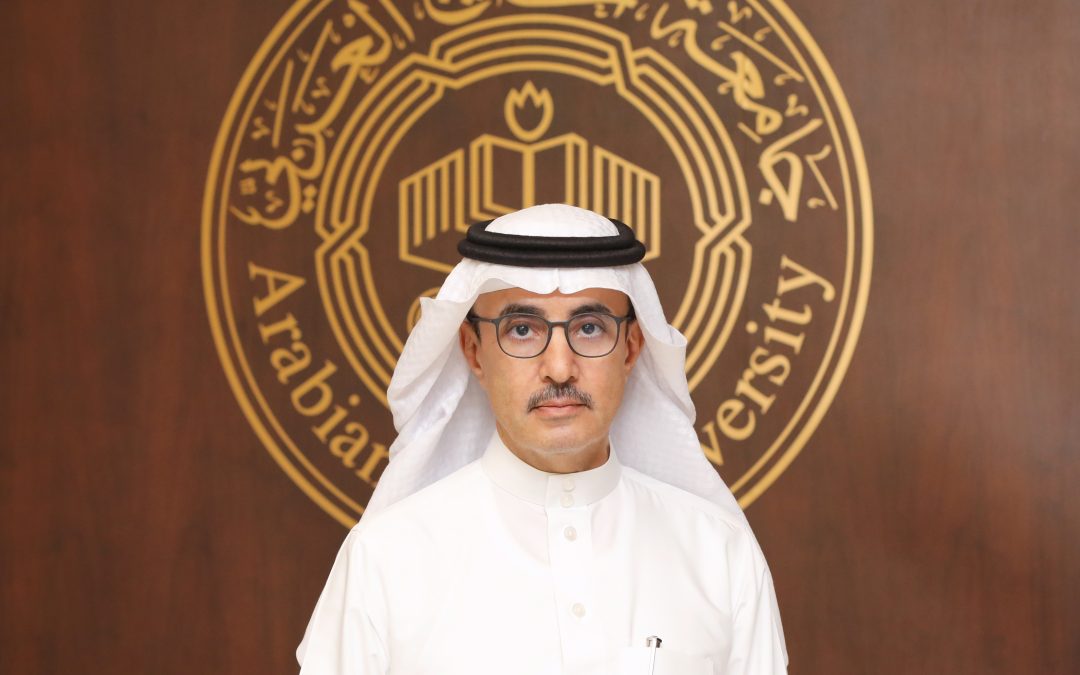
Mr Nawaf Mohammed Abdulrahman, Director of the Information Technology and Cybersecurity Centre at Arabian Gulf University (AGU), called for vigilance against suspect messages and links that may circulate online in conjunction with current events. He warned against the exploitation of the internet to carry out cyber fraud attempts targeting individuals and institutions.
He explained that some entities may distribute fraudulent messages or links claiming to offer breaking news or security updates, with the aim of deceiving users and prompting them to click on malicious links or open suspicious attachments. This could lead to the compromise of their personal data or electronic devices.
He cautioned against attempts to impersonate official entities by sending messages or emails that appear to originate from government or security agencies, stressing the need to verify the source of messages before interacting with them or sharing any personal or sensitive information. He stressed the importance of following several preventative measures, including following news and information from official sources alone, avoiding clicking on untrusted links or opening suspicious attachments, and verifying that messages originate from official and verified channels.
He affirmed that adhering to cybersecurity guidelines helps reduce the risk of cyberattacks and maintains the integrity of data and information in the digital space.
by ashokaib | Mar 15, 2026 | Uncategorized
The Arabian Gulf University (AGU) has actively organised awareness campaigns about rare diseases since 2013. Over the years, it has adopted ongoing scientific and awareness programmes led by the College of Medicine and implemented by Al-Jawhara Centre for Molecular Medicine, Genetics, and Inherited Disorders. These initiatives aim to improve medical understanding of rare diseases, promote early diagnosis, and provide support to patients and their families.
In this context, AGU, through the Al-Jawhara Centre, organised a series of scientific and awareness events in observance of Rare Disease Day 2026. The highlight was a lecture titled "Recent Advances in Rare Diseases," presented by Dr Cristina Skrypnyk, a consultant specialising in medical genetics and genomics.
Dr Skrypnyk explained that approximately 350 million people worldwide are affected by rare diseases. Although individual rare diseases may have limited prevalence, they collectively pose a significant and growing global health challenge.
She noted that in the Middle East, the number of individuals living with rare diseases is estimated at around 25 million, including approximately 80,000 in Bahrain. Most of these diseases are genetic, resulting from gene mutations that impair cell or organ function, often manifesting symptoms at an early age.
The lecture reviewed recent advances in understanding, diagnosing, and treating rare diseases, highlighting rapid advancements in gene therapy, RNA-based treatments, and precise genomic diagnostics, which are technologies that transform disease management. Dr Skrypnyk also discussed several new treatments approved between 2024 and 2025, including gene therapies for leukodystrophy, innovative approaches for Duchenne muscular dystrophy, targeted therapies for familial hyperchylomicronemia syndrome, and treatments for Niemann-Pick disease type C. These developments reflect a substantial shift in the treatment possibilities for previously untreatable conditions.
The lecture noted the significant international step of the World Health Organisation's 2025 resolution advocating for a ten-year global action plan for rare diseases. This initiative aims to integrate rare diseases into universal health coverage and national health strategies.
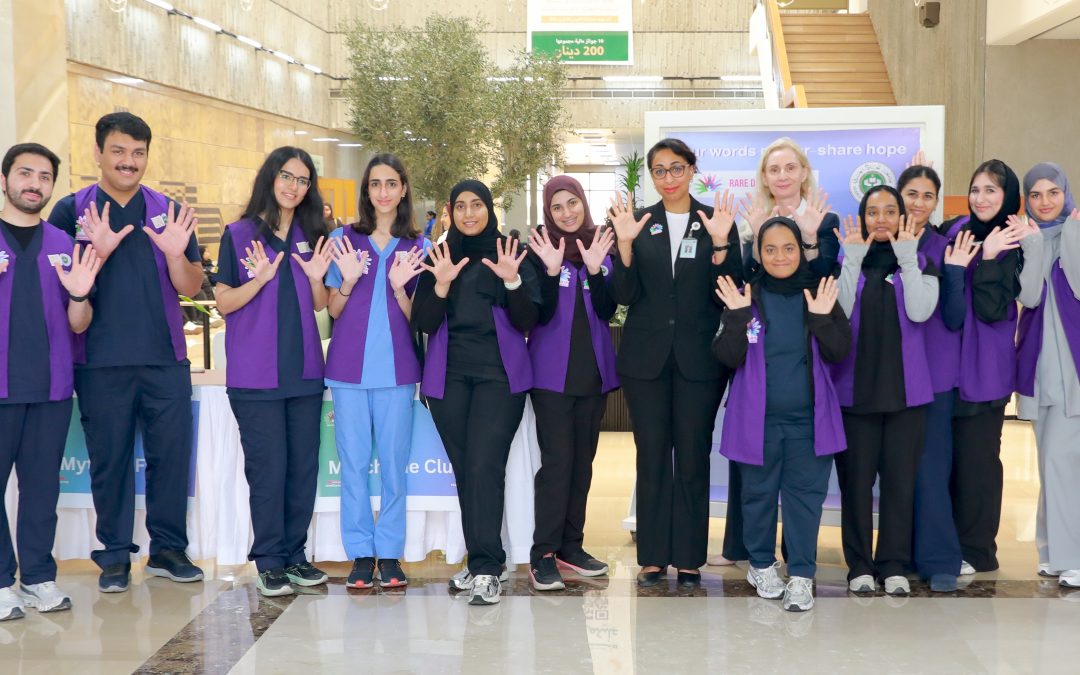
In conjunction, an awareness corner about rare diseases was set up at the AGU campus. Medical student participants interacted with visitors to educate them about the nature of these diseases and the importance of early diagnosis.
The Rare Disease Day 2026 campaign was launched with the support of Dr Tariq Hospital and Bluebird Pharmacy, who contributed to its awareness and educational efforts.
Campaign activities are scheduled to continue throughout March and April with community events including visits to schools and universities, awareness sessions at childcare centres, and a meeting of the "Care for Rare" patient support group, all aimed at promoting community awareness and providing support to families affected by rare diseases.
by ashokaib | Mar 15, 2026 | Uncategorized
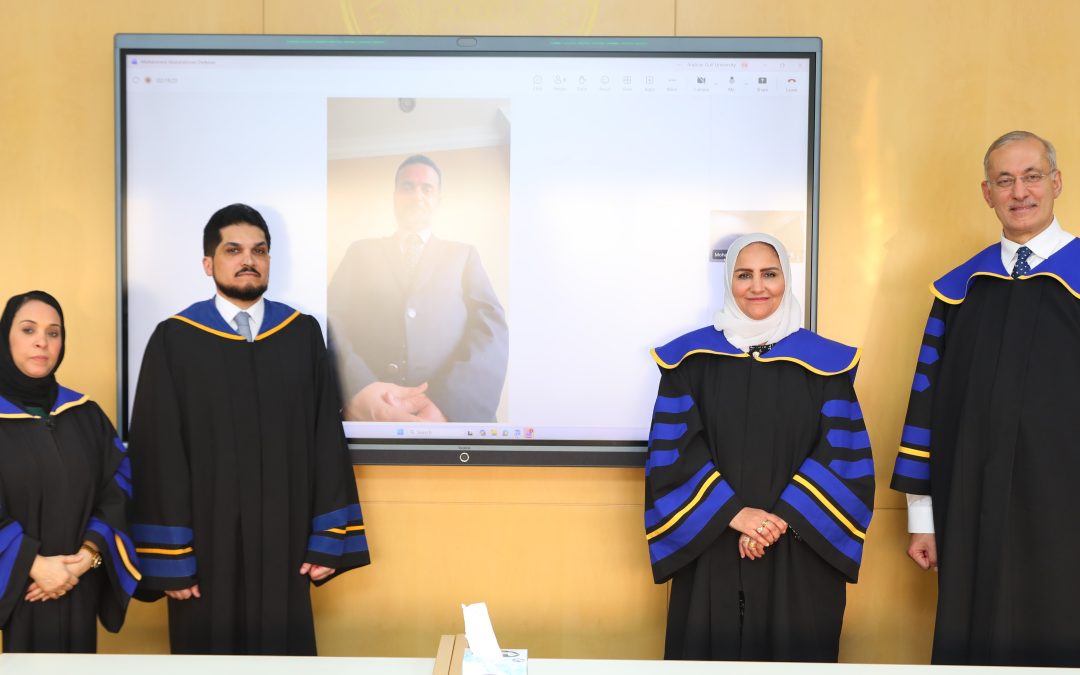
Researcher Mohammed Abdulrahman Al-Fares, from the Innovation and Technology Management Programme at the College of Education, Administrative and Technical Sciences at Arabian Gulf University (AGU), discussed his PhD dissertation titled: “Innovative Diplomacy in Practice: Developing an Innovative Global Framework for Diplomatic Transformation.” The study aimed to analyse the radical transformations occurring in diplomacy amid accelerating globalisation, digitalisation, and shifting international power dynamics. It also proposed a global framework designed to redefine diplomacy as a dynamic system grounded in ethical leadership, strategic relevance, continuous learning, and comprehensive development.
The research found that diplomacy is evolving beyond traditional hierarchical models to embrace more flexible and comprehensive approaches, supported by digital infrastructure and multi-sectoral partnerships. However, several challenges such as institutional gaps, cybersecurity risks, and capability imbalances have emerged. In this context, the researcher developed a global innovation framework for diplomacy, the M.I.D. methodology, a six-stage roadmap to transition traditional diplomacy into a sustainable, innovative paradigm. This roadmap begins with resource and infrastructure preparation, raising awareness, and developing change leaders; then advances to adoption and integration via pilot projects and digital transformation, culminating in implementation and expansion of sustainable systems for managing data and agreements. Finally, it fosters global cooperation for lasting impact. This framework is characterised by its flexibility and adaptability at the local, regional, and global levels.
The researcher outlined his upcoming plans to promote his findings and advocate for the adoption of this framework as a globally recognised structure, encouraging countries to adopt it as a methodology for transitioning from traditional to innovative diplomacy. This framework can be localised to the specific circumstances of each country and issue. He described his thesis as a significant stride forward, balancing digital transformation with established values and comprehensive development, thereby providing policymakers with the clarity and tools necessary to build a more inclusive and sustainable future in the diplomatic field.
The study was supervised by Dr Afaf Bugawa, Associate Professor of Innovation and Technology Management, and Professor Odeh Al-Jayyousi, Professor of Innovation Policy.
by ashokaib | Mar 15, 2026 | Uncategorized
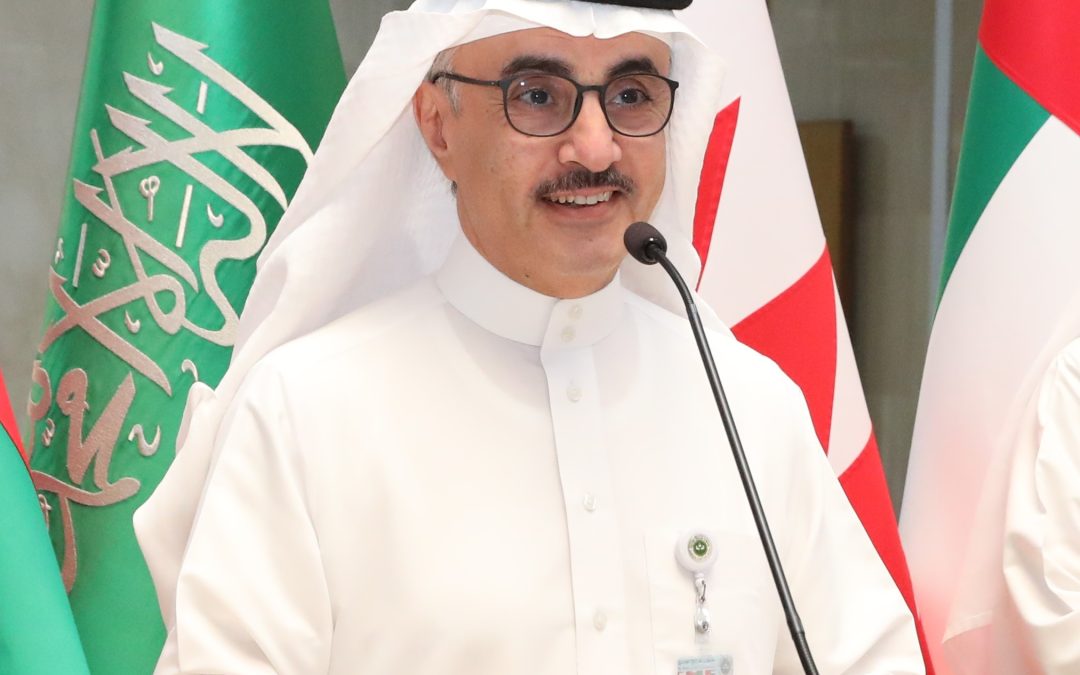
His Excellency Dr Saad bin Saud Al Fuhaid, President of Arabian Gulf University (AGU), affirmed that Gulf women have demonstrated significant presence across various sectors of national action and have played a pivotal role in social, economic, cultural, and scientific advancement. Celebrating International Women's Day is a well-earned recognition of women's contributions and their vital role in strengthening societal stability, building human capital, and developing nations.
His Excellency noted that Gulf women have successfully established themselves in leadership and decision-making roles in fields such as health, education, social work, entrepreneurship, and cultural creativity. Furthermore, they have made notable contributions to science, technology, research, and innovation. He asserted that this diversity in roles reflects the vision of the Gulf Cooperation Council (GCC) countries, which have made women's empowerment an integral part of their national projects.
Dr Al Fuhaid attributed these achievements to the wise leadership of the GCC countries who have been committed to investing in human capital and supporting women's full participation in comprehensive development. This has been achieved through quality initiatives and empowerment programmes that have strengthened their presence in vital fields and provided them with advanced professional and scientific environments aligned with future needs.
Through its leading academic position, AGU actively supports Gulf women's talents by offering advanced educational and research opportunities, including scholarship programmes to prestigious international universities such as Harvard, McGill, and Oxford. These initiatives have helped prepare female leaders capable of innovation and notable achievements on global platforms, wining prestigious scientific awards, and contributing to numerous vital fields. He commended the efforts of the university's female staff members, both academic and administrative, and stressed that the university’s success relies on their integral roles in education, research, administration, and institutional support within the broader university community.
In closing, His Excellency stated, "Women, in all their roles, are essential partners in the advancement and prosperity of nations. Their contributions extend to various fields of life, including science, development, and innovation."
by ashokaib | Mar 9, 2026 | Uncategorized
The message:
Dear Colleagues and Members of AGU
In light of current regional developments, I wish to extend to you a message of reassurance and appreciation, reaffirming that the safety of our students, faculty, and staff remains the university's foremost priority.
Thanks to the university’s robust digital educational infrastructure and our advanced expertise in remote learning and administration, all educational and administrative processes are continuing normally via our approved electronic platforms. This ensures the continuity of teaching and learning without interruption.
In this context, we express our deep appreciation for the wisdom and responsibility with which Their Majesties and Highnesses, the leaders of the Gulf Cooperation Council (GCC) countries, are navigating this period. We recognise their sincere efforts to maintain the security and stability of the region and affirm our great confidence in their wise leadership in managing these circumstances with foresight and prudence.
As a joint Gulf academic institution, AGU draws its strength from the spirit of cooperation and solidarity among the GCC nations and peoples, and from the commitment of our university family to the values of responsibility and collective action.
While we reassure everyone that work and study are proceeding according to established systems, we encourage you to follow any updates via the university’s official channels and to adhere to the guidelines issued by the competent authorities.
We pray to Allah the Almighty to protect our homelands and to grant our region continued security and stability.
With sincere appreciation,
Dr Saad Al Fuhaid
President of AGU