by ashokaib | Aug 9, 2026 | Uncategorized
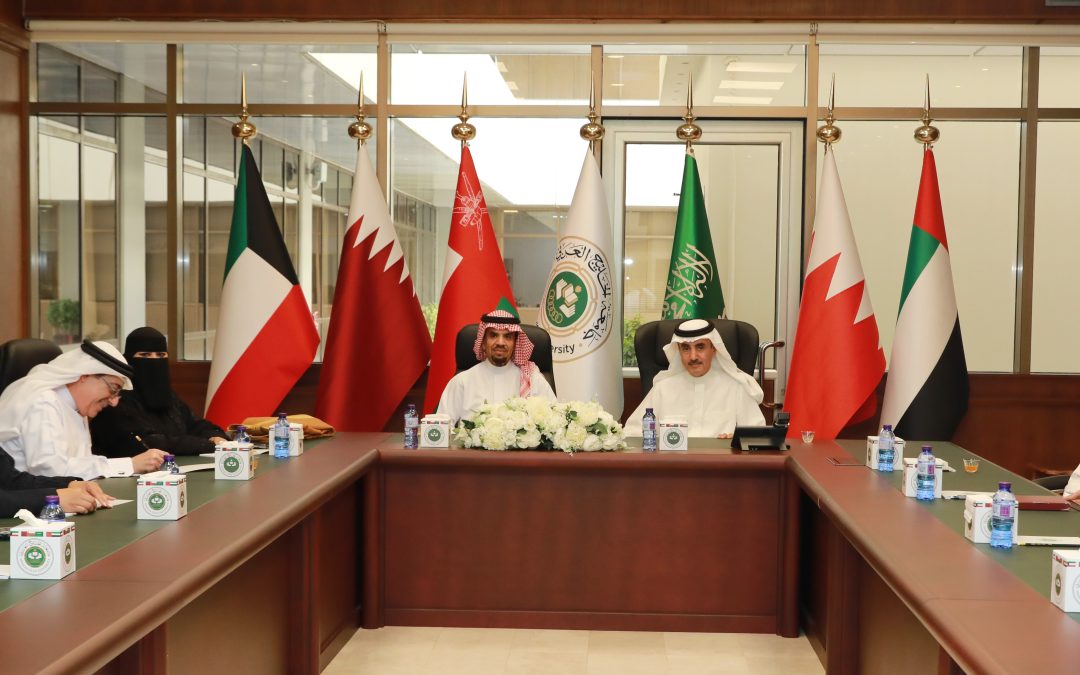
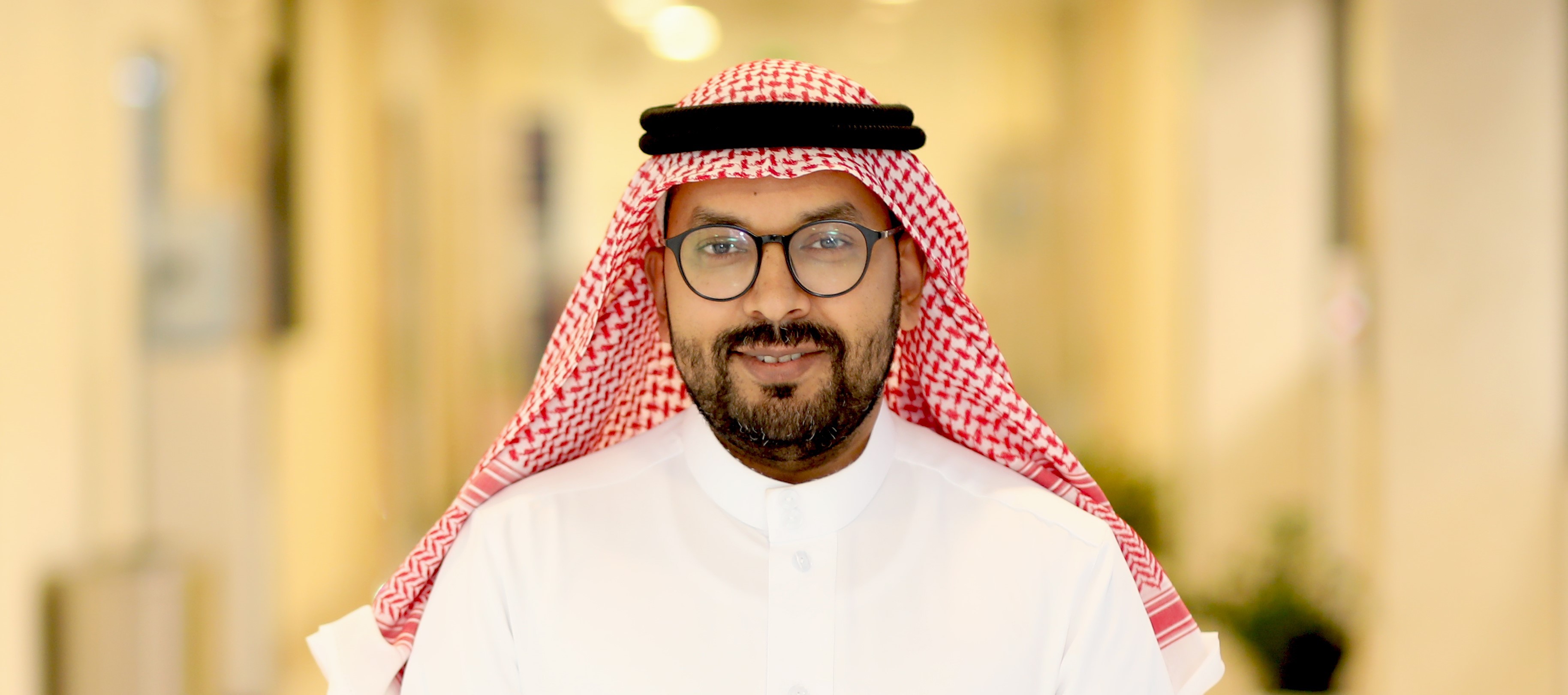
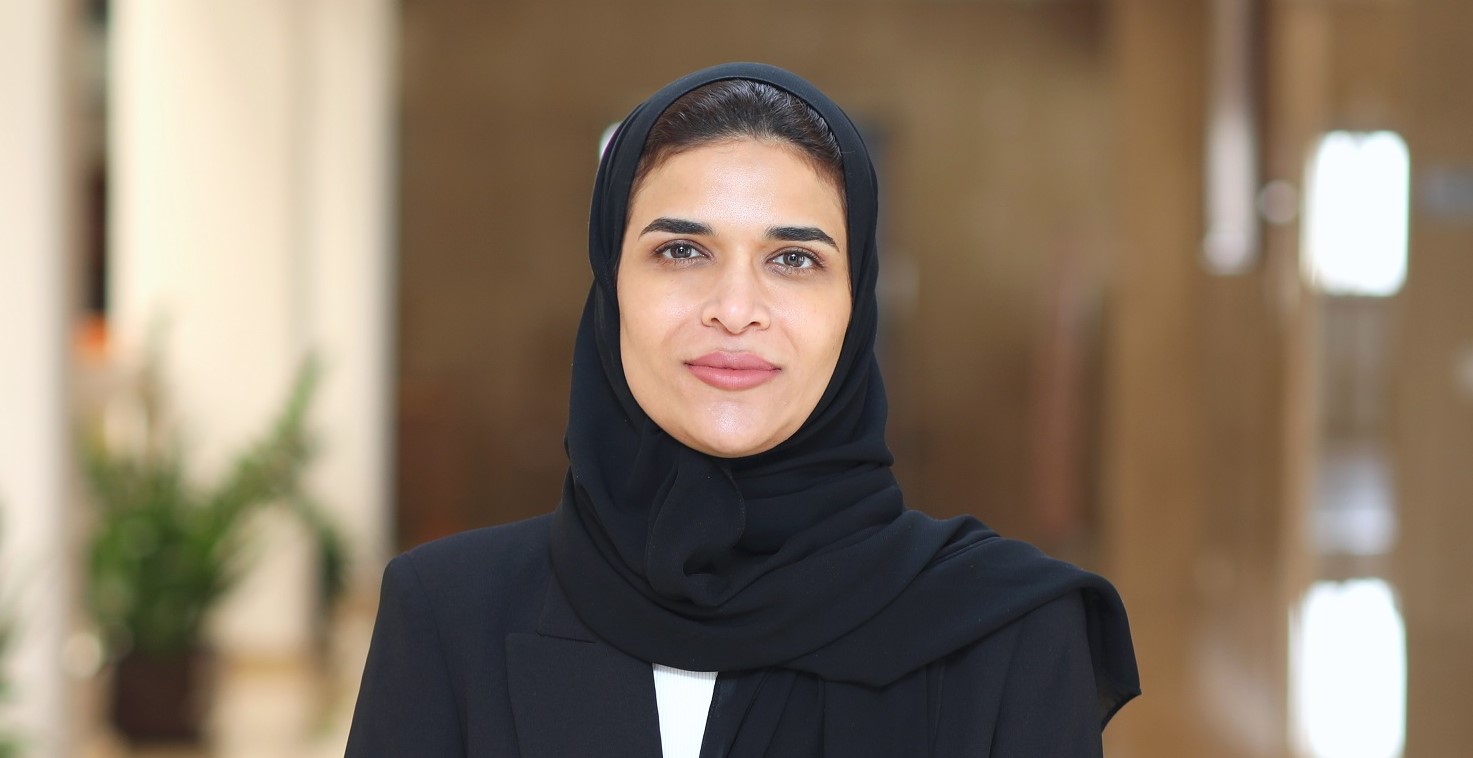
The President of Arabian Gulf University, HE Dr. Saad bin Saud Al Fehaid, received Dr. Abdulrahman bin Ibrahim Al Mudairis, Director General of the UNESCO Regional Center for Quality and Excellence in Education in the Kingdom of Saudi Arabia, accompanied by Dr. Fatimah Ibrahim Al Ruwais, Assistant Director General of the Center, to discuss avenues for strengthening bilateral cooperation and expanding the strategic partnership in areas of mutual interest.
During the meeting, both sides reviewed existing and prospective areas of collaboration between Arabian Gulf University and the UNESCO Regional Center for Quality and Excellence in Education, with a focus on supporting educational development, fostering a culture of quality and academic excellence, and promoting the exchange of expertise and best practices in education, training, and scientific research.
HE Dr. Saad bin Saud Al Fehaid, President of Arabian Gulf University, underscored the importance of establishing strategic partnerships with regional and international institutions specializing in educational development. He noted that the University places great emphasis on advancing quality standards and innovation in higher education in line with emerging global trends, while enhancing the outcomes and competitiveness of educational institutions across the region.
For his part, Dr. Abdulrahman Al Mudairis commended Arabian Gulf University's significant contribution to advancing higher education and scientific research across the Gulf Cooperation Council (GCC) countries. He emphasized the value of strengthening collaboration between the two institutions to leverage their respective expertise and develop initiatives that promote quality and excellence in education.
The meeting also explored opportunities for cooperation in implementing joint programs and projects, organizing scientific events, and exchanging expertise in institutional and academic performance evaluation. These initiatives aim to reinforce efforts to improve the quality of education and contribute to the achievement of the Sustainable Development Goals (SDGs) in the education sector. Both parties expressed their aspiration to further broaden their collaboration in ways that advance shared objectives and support the continued development of education systems across the region, while reaffirming the importance of sustained coordination and communication between Arabian Gulf University and the UNESCO Regional Center for Quality and Excellence in Education.
It is worth noting that Arabian Gulf University and the UNESCO Regional Center for Quality and Excellence in Education have an established record of academic and research collaboration. This includes the launch of a joint research chair dedicated to supporting scientific research, developing innovative solutions to environmental, climate, and economic challenges, and strengthening capacity building in sustainability. The Chair seeks to advance research on the transition to a sustainable green economy, examine the impacts of climate change on regional economies, facilitate knowledge exchange, and provide evidence-based solutions for policymakers. This collaboration reflects the shared commitment of both institutions to enhancing the quality of education and scientific research while advancing sustainable development across the region.
by ashokaib | Aug 5, 2026 | Uncategorized
Arabian Gulf University (AGU) has announced the opening of applications for its Professional Fellowship in Healthcare Simulation, offered by the College of Medicine and Health Sciences. The one-year advanced academic programme is designed to prepare healthcare professionals and academics to excel in simulation-based health professions education in line with international best practices and standards.
The fellowship aims to develop specialised expertise in medical and health professions education through comprehensive training that covers the educational, operational, leadership, and research dimensions of healthcare simulation. The programme integrates experiential learning, academic mentorship, research activities, and structured educational experiences to equip participants with the skills required to design, develop, manage, and evaluate healthcare simulation programmes and their educational and research outcomes.
Professor Mohammed Madadin, Dean of the College of Medicine and Health Sciences, said the programme offers advanced hands-on training in healthcare simulation under the supervision of leading experts and specialists. It also provides an interdisciplinary learning environment, opportunities for professional collaboration, and leadership development in the management of healthcare simulation centres, contributing to the advancement of healthcare education, patient safety, and educational quality.
Professor Madadin added that the programme spans one academic year, with all courses delivered in English. Tuition fees are set at BHD 6,000.
Applicants must hold a bachelor's degree in medicine, nursing, or an allied health discipline from a recognised university, with a minimum cumulative GPA of 3.0 out of 4.0, or its equivalent. They must also demonstrate English language proficiency by achieving an IELTS score of 6.0 or higher or a TOEFL iBT score of 80 or above.
Application requirements include official academic transcripts and certified degree certificates, a curriculum vitae (CV) or professional portfolio, a personal statement outlining the applicant's motivation for joining the programme, two letters of recommendation from academic or professional referees, and successful completion of a personal interview.
The fellowship forms part of the College of Medicine and Health Sciences' ongoing efforts to advance specialised healthcare education and expand the use of healthcare simulation in teaching and training. It aims to prepare highly qualified professionals capable of enhancing educational practice while contributing to improved healthcare quality and patient safety.
by ashokaib | Aug 5, 2026 | Uncategorized
Arabian Gulf University (AGU) has launched a Postgraduate Diploma in Gerontological Nursing, marking a strategic academic initiative aimed at preparing highly qualified nursing professionals to meet the growing healthcare needs of older adults across the Gulf Cooperation Council (GCC) countries. The programme comes in response to rapid demographic changes, increasing life expectancy, and the rising demand for long-term and specialized elderly care services.
The diploma has been developed to address the growing healthcare challenges associated with population ageing, including the increasing prevalence of chronic diseases and complex health conditions among older adults. It also responds to the limited availability of specialized academic programmes in gerontological nursing across the region, underscoring the need for advanced educational pathways that equip nurses with evidence-based knowledge and professional competencies aligned with international best practices.
Designed around a flexible and integrated learning model, the programme combines academic instruction with clinical practice to accommodate the needs of working nurses across the GCC. Students attend one intensive week of on-campus study each month, while completing the remaining academic and clinical requirements within their respective healthcare settings. This structure enables participants to continue their professional practice while advancing their education and clinical expertise.
Dr. Hawazen, head of nursing department at the college of medicine and health sciences, stated that the diploma aims to prepare nurses with advanced knowledge, skills, and competencies in gerontological nursing. The programme focuses on strengthening specialized clinical practice, enabling graduates to manage complex health conditions affecting older adults through evidence-based care, while enhancing leadership capabilities, professional practice, and the overall quality of healthcare services.
She added that the programme aligns with the healthcare priorities and national strategies of GCC countries related to healthy ageing, quality of life, and the development of a specialized healthcare workforce. It also supports ongoing healthcare transformation initiatives by enhancing the quality of services provided to older adults.
The programme is intended for registered nurses across GCC countries seeking specialization in gerontological nursing, as well as healthcare professionals looking for flexible postgraduate study options that accommodate professional commitments while supporting career advancement and leadership development.
The diploma is offered over one academic year. Admission requirements include a bachelor's degree in nursing from a recognized university, a minimum cumulative GPA of 3.0 out of 4.0 (or equivalent), a valid nursing license, at least one year of relevant clinical experience, two professional letters of recommendation, and proof of English language proficiency through approved standardized tests.
The launch of the Postgraduate Diploma in Gerontological Nursing represents a significant addition to AGU's portfolio of specialized health education programmes. It further strengthens the University's position as a regional leader in developing advanced nursing competencies, supports the enhancement of the healthcare workforce across the GCC, and lays the foundation for future specialized programmes and advanced professional qualifications in nursing.
This initiative reflects Arabian Gulf University's continued commitment to supporting the healthcare sector and responding proactively to the evolving needs of Gulf societies through investment in specialized education and the advancement of high-quality care for older adults.
by ashokaib | Aug 4, 2026 | Uncategorized
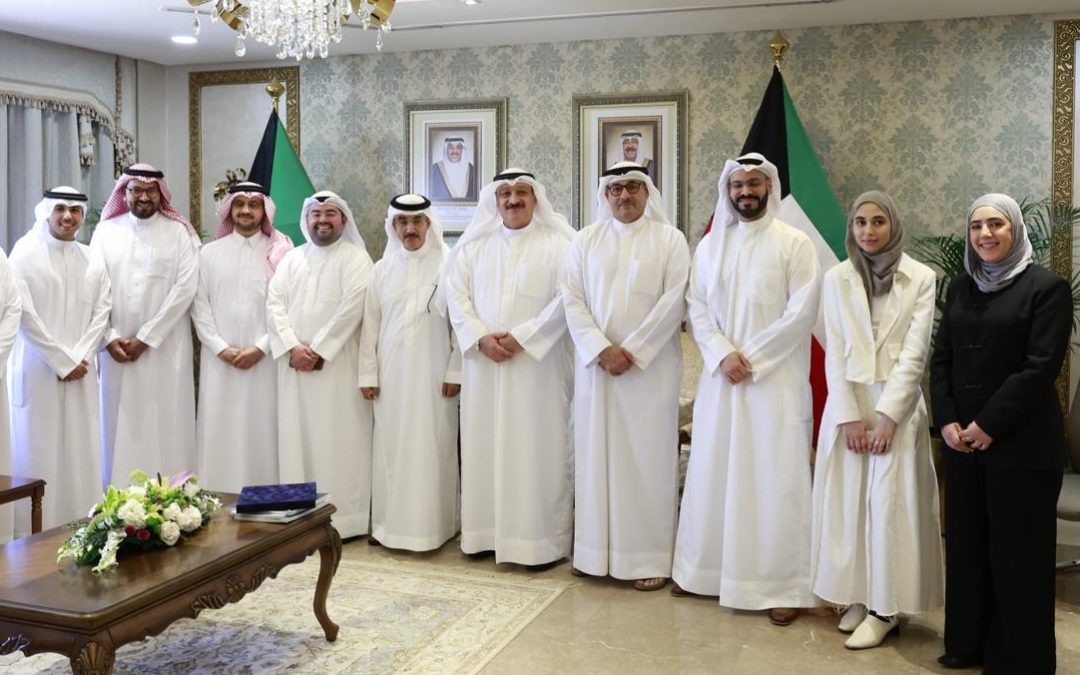
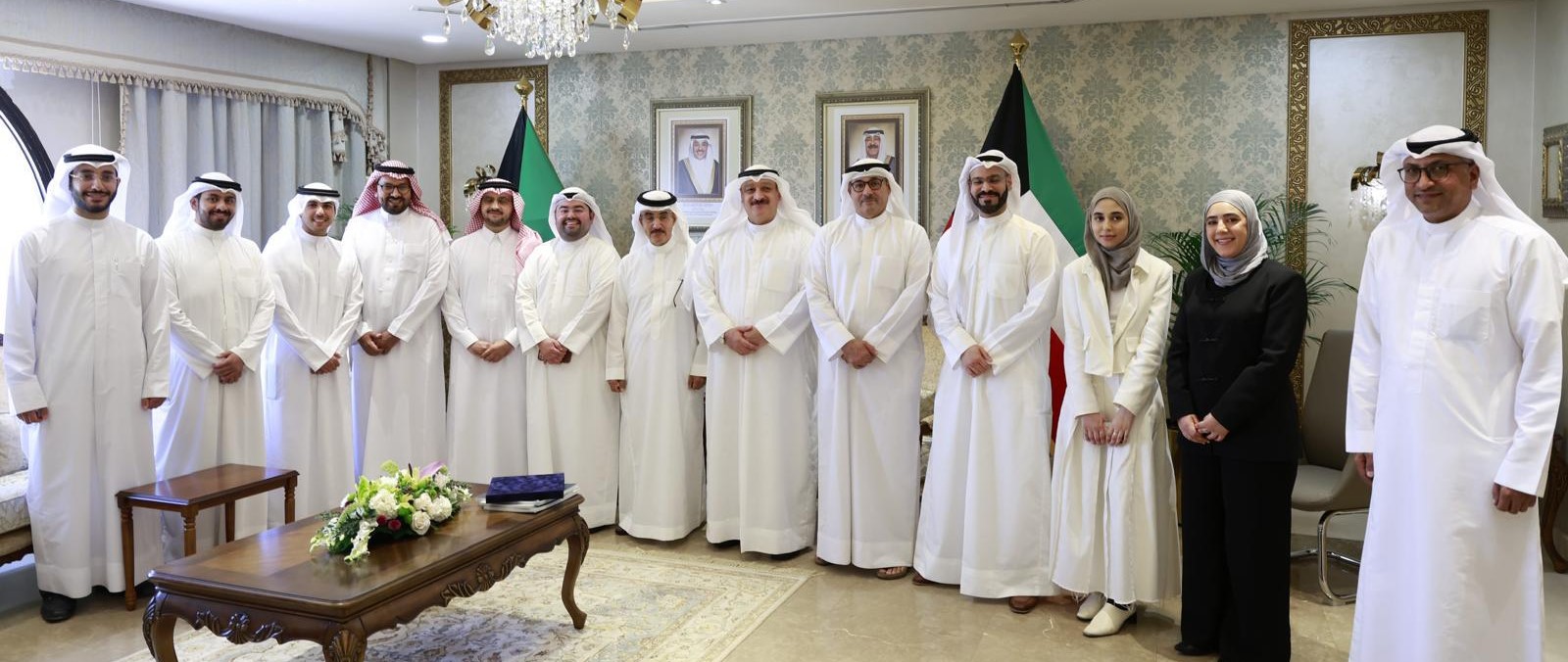
During his official visit to the State of Kuwait, the President of the Arabian Gulf University (AGU), H.E. Dr. Saad bin Saud Al-Fahaid, met with Kuwait's Minister of Health, H.E. Dr. Ahmad Al-Awadhi, to discuss ways of strengthening cooperation between the Ministry of Health and the University. Dr. Al-Fahaid commended the continued development of the partnership in areas of mutual academic and healthcare interest, as well as the outstanding academic and scientific performance of Kuwaiti students enrolled in the College of Medicine and Medical Sciences and the various programmes offered by the College of Graduate Studies in Education, Administrative and Technical Sciences.
The two sides explored opportunities to enhance academic and institutional collaboration with higher education and healthcare stakeholders as part of the University's ongoing efforts to expand its strategic partnerships and strengthen its academic presence across the Gulf region. Discussions also covered prospects for cooperation in medical education, professional training, scientific research, capacity building and the development of healthcare competencies, in addition to promoting the exchange of expertise to support the quality of healthcare services, strengthen integration between academic and healthcare institutions, and advance health sector development across the Gulf Cooperation Council (GCC) member states.
Dr. Al-Fahaid said: "The Arabian Gulf University is committed to consolidating its strategic partnerships with higher education institutions and government entities across the GCC, in line with its Gulf mission. These partnerships enhance the recognition of the University's academic programmes, expand opportunities for students, and support continued excellence in education and scientific research."
He added: "The strong support and cooperation we have witnessed from our brothers in the State of Kuwait reflect our shared belief in the importance of investing in high-quality education and lay the foundation for a new phase of productive collaboration in the academic and healthcare sectors, serving the people of the GCC and responding to future needs."
The AGU delegation included the Vice President for Academic Affairs and Scientific Research, Dr. Ghazi bin Abdulrahman Al-Otaibi; Professor of Water Resources and Dean of the College of Graduate Studies in Education, Administrative and Technical Sciences, Prof. Waleed Khalil Zubari; Dean of the College of Medicine and Medical Sciences, Prof. Mohammed Saleh Maddadin; Dr. Abdullah Al-Saleh, Chair of the Department of Microbiology and Immunology and Assistant Professor at the College of Medicine and Medical Sciences; as well as members of the University's Board of Trustees, Dr. Mohammed Al-Fares and Dr. Bader Al-Busairi, Undersecretary of the Ministry of Higher Education, in addition to a number of AGU students and alumni.
by ashokaib | Aug 4, 2026 | Uncategorized
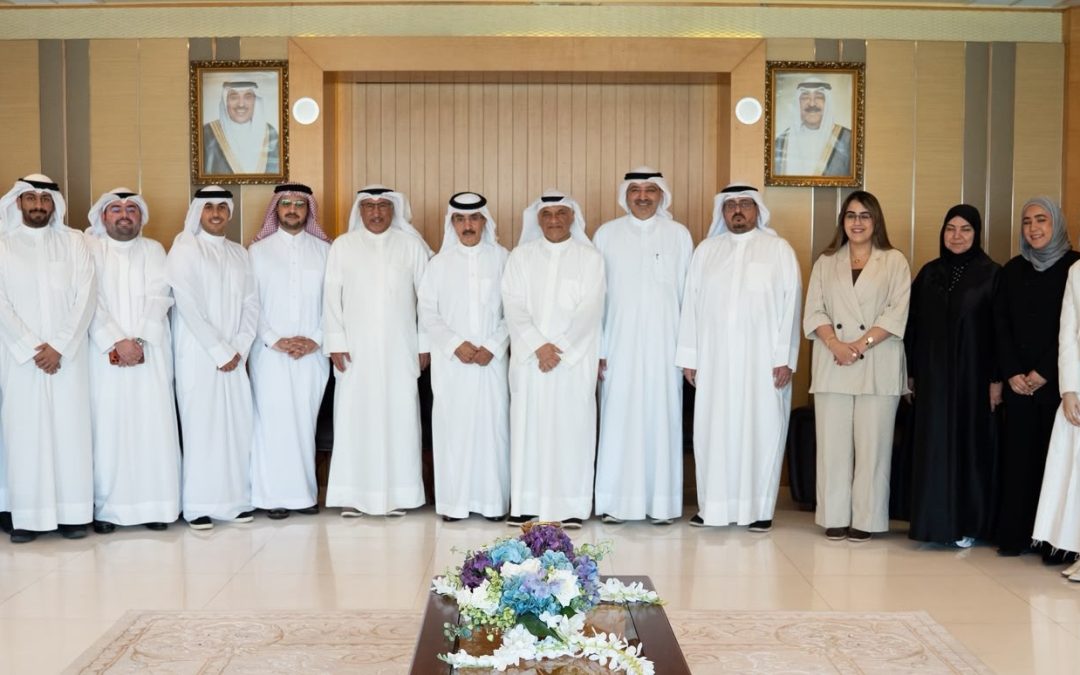
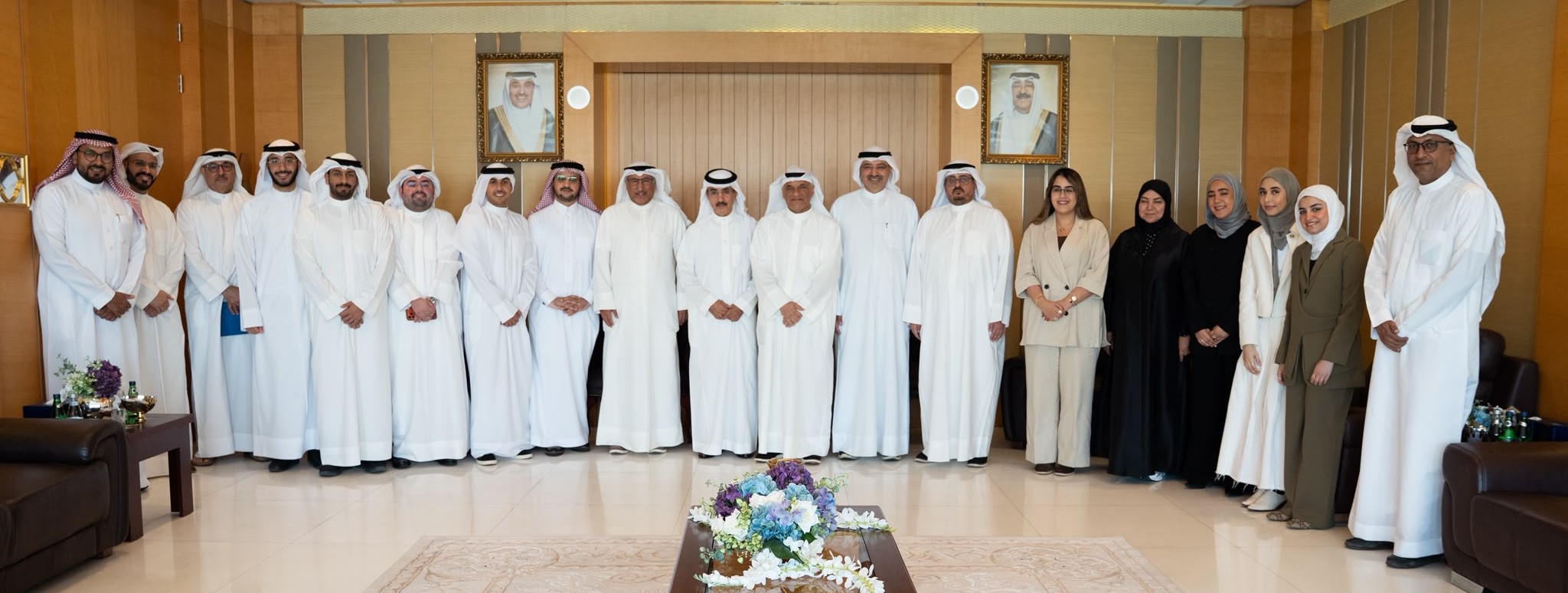
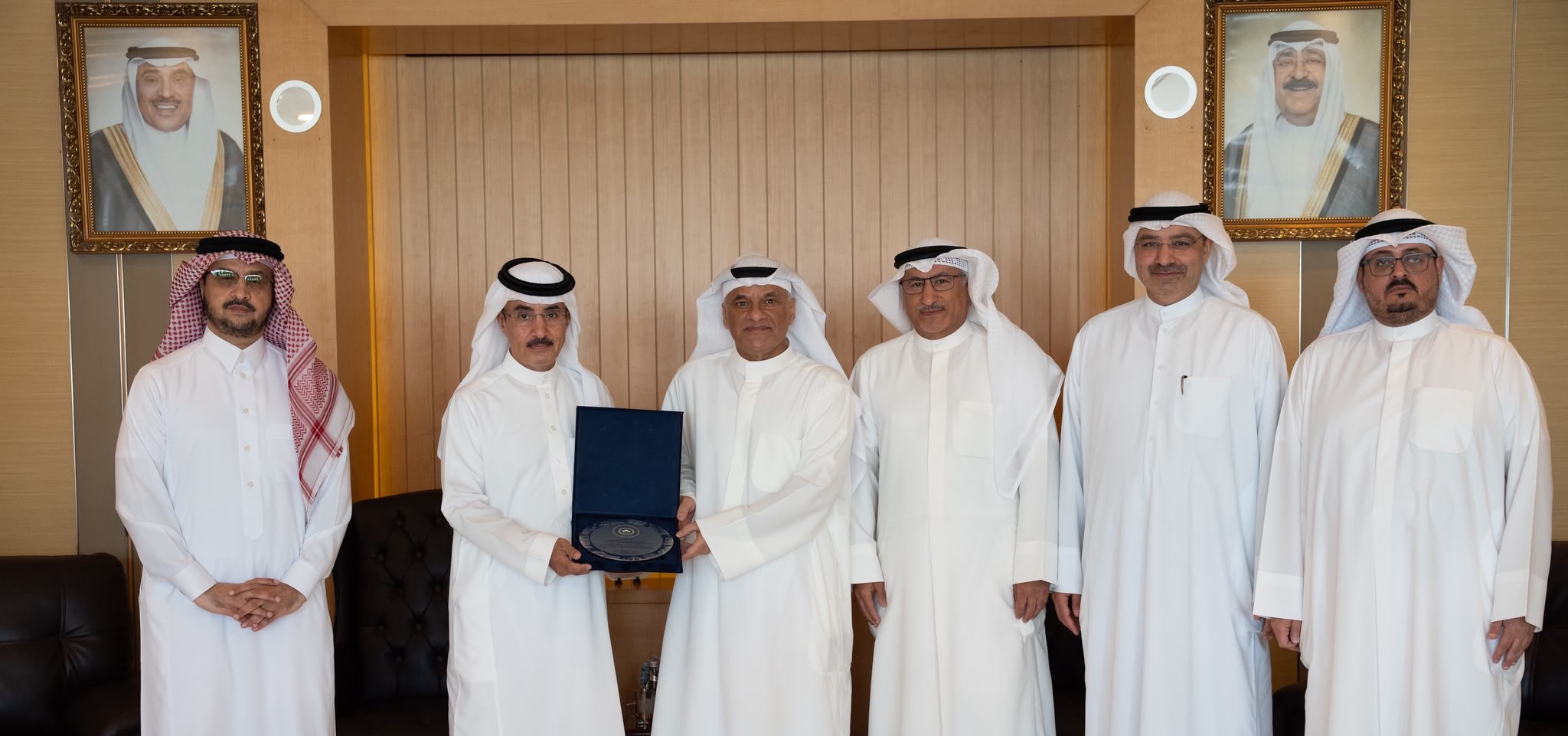
H.E. Dr. Saad bin Saud Al-Fahaid, President of the Arabian Gulf University (AGU), met with H.E. Dr. Nader Abdullah Al-Jalal, Kuwait's Minister of Higher Education and Scientific Research, to discuss ways of strengthening cooperation and enhancing integration among higher education institutions across the Gulf Cooperation Council (GCC) member states. The discussions focused on advancing the Gulf higher education system through the exchange of expertise and successful practices, while expanding academic partnerships that benefit students and enhance the quality of educational outcomes across the region.
The meeting also explored prospects for broader collaboration between the two sides, including the accreditation of AGU's undergraduate, master's and doctoral programmes in the State of Kuwait. Such accreditation would provide Kuwaiti students with greater access to the University's innovative academic programmes, enabling them to meet evolving global demands while supporting the continued advancement of academic integration among GCC countries.
During the meeting, Dr. Saad bin Saud Al-Fahaidpraised the strong fraternal ties that unite Gulf academic institutions and highlighted the University's achievements, including the accreditation of its innovative academic programmes and the success of its institutional development initiatives. He also commended the accomplishments of the Late H.H. Sheikh Jaber Al Ahmad Chair in Microbiology, whose research outputs have made significant contributions to the field of microbiology. Dr. Al-Fahaid reaffirmed the University's commitment to strengthening cooperation with Kuwait's Ministry of Higher Education in ways that serve shared interests and support the continued development of higher education across the region.
For his part, H.E. Dr. Nader Al-Jalal underscored the Ministry's commitment to strengthening cooperation with Gulf universities, particularly the Arabian Gulf University, in support of the continued development of higher education and scientific research. He emphasized the importance of exchanging expertise and successful experiences and expanding academic partnerships that enhance student opportunities and improve the quality of educational outcomes.
Dr. Al-Jalal further noted that greater integration among higher education institutions across the GCC represents a cornerstone for building an advanced education system capable of keeping pace with global developments. He stressed the importance of maintaining close coordination and knowledge exchange to further education and sustainable development throughout the region.
The AGU delegation included the Vice President for Academic Affairs and Scientific Research, Dr. Ghazi bin Abdulrahman Al-Otaibi; Professor of Water Resources Management and Dean, College of Education, Administrative and Technical Sciences, Prof. Waleed Khalil Zubari; Dean, College of Medicine and Health Sciences Prof. Mohammed Saleh Maddadin; and Dr. Abdullah Al-Saleh, Chair of the Department of Microbiology and Immunology and Assistant Professor at the College of Medicine and Health Sciences.
The meeting was also attended by members of the Arabian Gulf University's Board of Trustees, Dr. Mohammed Al-Fares and Dr. Bader Al-Busairi, Undersecretary of the Ministry of Higher Education, together with Dr. Faisal Al-Adwani, Assistant Undersecretary for Scholarships, Academic Equivalency and Cultural Relations at Kuwait's Ministry of Higher Education, as well as a number of AGU students and alumni.